
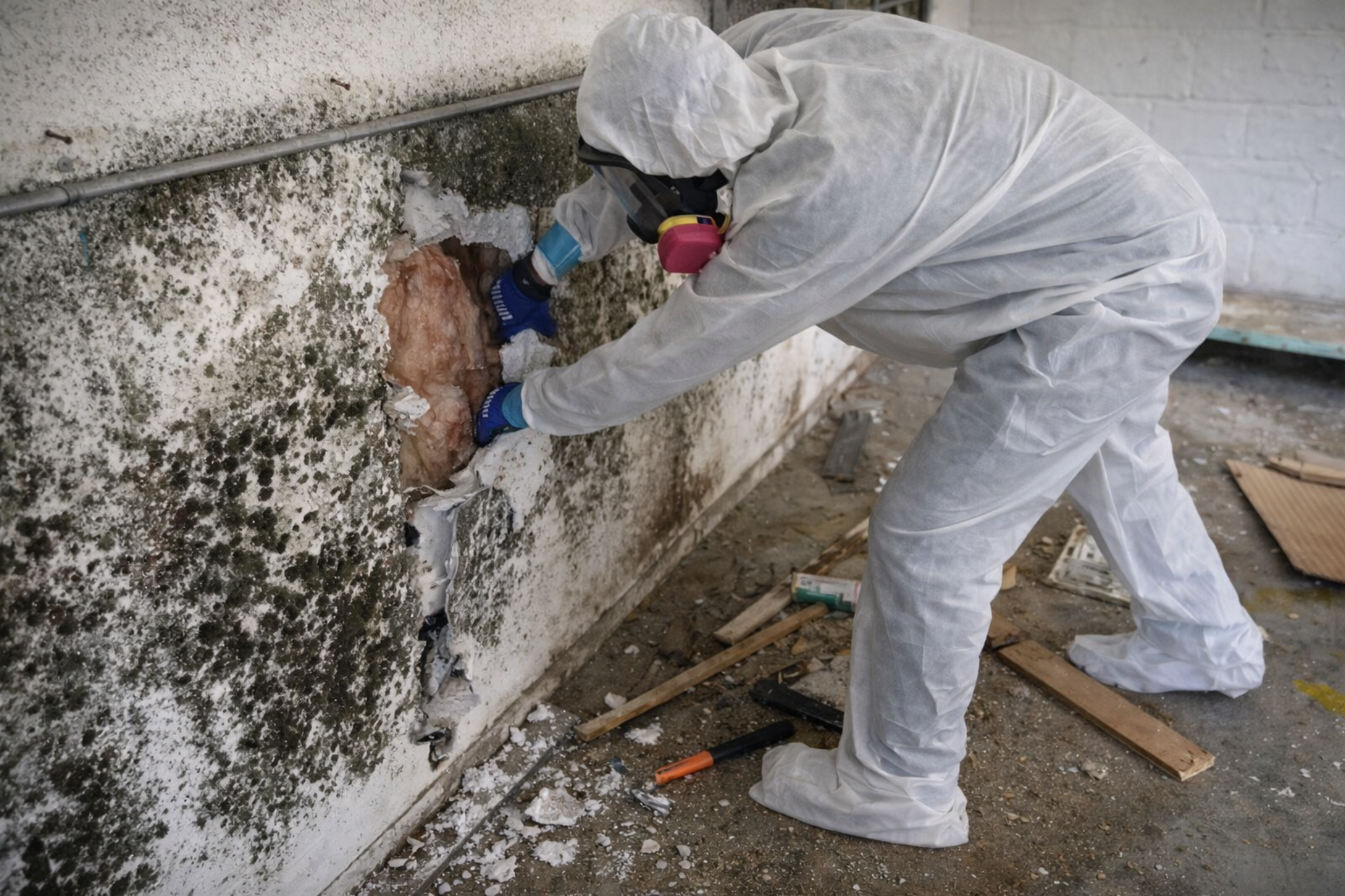
Practical Advice From Experts: Mold Inspection Insights for Homes in Lauderhill
Mold inspections usually start with frustration. Something feels wrong in the house, but nothing looks obviously broken. No leaks. No dramatic stains. Just lingering smells, stubborn allergies, or that uneasy feeling that the air isn’t quite right. After inspecting a wide range of homes in Lauderhill, experts see the same thing over and over: most homeowners wait too long because they expect mold problems to look obvious.
This guide focuses on practical, expert-level insights. No scare tactics. No sales fluff. Just how mold inspections actually work, what inspectors really look for, and how homeowners can use inspections to avoid bigger problems and bigger bills.
What Mold Inspections Are Really About
Here’s the first thing experts want homeowners to understand.
A mold inspection isn’t a hunt for visible mold spots. It’s an investigation into moisture, airflow, and building behavior.
Inspectors focus on:
- Where moisture exists
- How long it’s been there
- How air moves through the home
- Whether conditions support mold growth
Visible mold helps confirm a problem, but it’s rarely where inspections start.
Why Mold Problems Feel Hard to Pinpoint in Lauderhill
Humidity Blurs the Warning Signs
Lauderhill homes deal with high humidity most of the year. That constant moisture pressure makes subtle issues feel “normal.”
When everything feels a little damp all the time, homeowners struggle to identify when damp becomes a problem. Mold thrives in that gray area.
Homes Don’t Dry Out Naturally
In drier climates, homes reset between moisture events. In Lauderhill, that reset rarely happens.
Small leaks, condensation, and humidity stack over time. Mold inspections often uncover issues that started months earlier and never fully resolved.
The First Thing Inspectors Look For Isn’t Mold
Moisture Always Comes First
Experienced inspectors don’t walk in looking for black spots. They look for moisture patterns.
They evaluate:
- Indoor humidity levels
- Condensation on HVAC components
- Drain pan and drain line function
- Signs of slow leaks
- Ventilation effectiveness
If moisture shows up, mold risk follows. That relationship never changes.
HVAC Systems Dominate Mold Inspection Findings
Why HVAC Systems Get So Much Attention
In Lauderhill inspections, HVAC systems appear in a large percentage of mold-related findings.
That’s because HVAC systems:
- Create condensation by design
- Collect dust easily
- Operate daily
- Move air through the entire home
When moisture lingers inside the system, mold conditions develop quietly and spread efficiently.
Common HVAC Issues Inspectors Find
Repeated findings include:
- Clogged or slow drain lines
- Rusted or cracked drain pans
- Dirty evaporator coils
- Short cycling from oversized systems
These issues don’t look dramatic, but they create stable moisture environments mold loves.
Ductwork: The Hidden Mold Highway
Why Ducts Matter So Much
Ducts don’t just carry air. They carry whatever the air touches.
When inspectors find:
- Moisture inside ducts
- Damp insulation
- Dust buildup holding humidity
they often find mold growth nearby or downstream.
Even limited duct contamination can affect the entire home through repeated HVAC cycles.
Flexible Ducts vs Metal Ducts
Inspections show flexible ducts involved more often in mold cases.
They:
- Trap dust easily
- Hold moisture longer
- Sag and collect condensation
Metal ducts dry faster, but they still grow mold when insulation fails or condensation stays active.
Condensation: The Moisture Source Homeowners Miss Most
Why Condensation Beats Leaks
Leaks drip. Condensation doesn’t.
Condensation forms when warm, humid air hits cold surfaces. In Lauderhill homes, this happens constantly:
- Inside air handlers
- On duct surfaces
- Behind walls near vents
Because condensation doesn’t scream for attention, it feeds mold quietly until symptoms show up.
Signs Inspectors Take Seriously
Inspectors get concerned when they see:
- Condensation on vents
- Damp duct insulation
- Repeated moisture near HVAC components
- Rust or corrosion around drain pans
These signs point to ongoing moisture, not one-time events.
Hidden Mold Shows Up More Than Visible Mold
Why Homeowners Feel Blindsided
Most confirmed mold growth during inspections appears in hidden areas:
- Inside HVAC systems
- Behind drywall
- Under flooring
- Inside wall cavities
Visible mold usually appears late. By the time homeowners see it, growth often spread beyond the surface area.
This doesn’t mean homeowners missed something obvious. It means mold hides well.
Air Sampling: What It Can and Can’t Tell You
Air Tests Are Tools, Not Verdicts
Air sampling helps identify exposure patterns. It doesn’t diagnose buildings by itself.
Inspectors use air testing to:
- Compare indoor vs outdoor spore levels
- Identify distribution patterns
- Support moisture and visual findings
One high number doesn’t trigger remediation. Patterns do.
Why Patterns Matter More Than Numbers
Experts look for:
- Similar spores in multiple rooms
- Elevated levels near vents
- Changes when HVAC systems run
These patterns point toward system-level issues instead of isolated spots.
Health Complaints Often Drive Inspections
Symptoms That Trigger Mold Inspections
In Lauderhill homes, inspections often start after residents report:
- Congestion indoors
- Sneezing or coughing at home
- Fatigue or headaches
- Musty odors
Symptoms often improve outside the home. That contrast signals indoor air quality issues worth investigating.
Why Symptoms Stay Mild at First
Early exposure usually causes irritation, not severe illness. That mildness causes delays.
Over time, exposure becomes more consistent, and symptoms often intensify. Inspections help stop that progression early.
What Mold Inspections Don’t Do
Inspections Don’t Assume the Worst
A mold inspection isn’t a verdict. It’s an assessment.
Most inspections result in:
- Identifying moisture risks
- Recommending maintenance or repairs
- Preventing future mold growth
Not every inspection leads to remediation. Many prevent it.
Inspections Don’t Replace Moisture Control
An inspection identifies problems. Fixing them requires action.
Without moisture control:
- Cleaning fails
- Remediation fails
- Mold returns
Inspections guide decisions. They don’t replace them.
Common Homeowner Mistakes Inspectors See Repeatedly
Based on real inspections, these habits delay solutions:
- Waiting for visible mold
- Masking odors
- Trusting AC to manage humidity automatically
- Cleaning surfaces without checking systems
- Ignoring HVAC maintenance
Each mistake allows moisture to stay active longer.
When Mold Inspections Make the Most Sense
Inspections are most useful when homeowners notice:
- Musty smells that come and go
- Allergy symptoms indoors
- Repeated condensation
- Past water damage
- Ongoing humidity issues
Early inspections usually stay smaller, faster, and more affordable.
What Practical Inspections Focus On
Experienced inspectors take a system-level approach.
They evaluate:
- Moisture sources
- Airflow patterns
- HVAC performance
- Duct condition
- Ventilation effectiveness
This approach explains why two similar homes can behave very differently.
Why Lauderhill Homes Benefit From Early Inspections
High humidity, dense housing, and constant HVAC use create ongoing moisture pressure.
Homes rarely get extended dry-out periods. That means:
- Small issues escalate faster
- Hidden damage spreads quietly
- Waiting costs more
Early inspections help catch problems before they expand.
Cost Reality: Early vs Late Inspections
Early Inspections Save Money
Homes inspected early often need:
- HVAC maintenance
- Ventilation improvements
- Minor repairs
These fixes stay manageable.
Late Inspections Cost More
Homes inspected late often require:
- Mold remediation
- HVAC cleaning or remediation
- Material removal
Same moisture source. Different timing. Much higher cost.
Lessons From Real Homes in Lauderhill
Across inspections, one lesson repeats. Homes that inspect early spend less and worry less later.
Homeowners who delay often say the same thing: “I didn’t think it was a big deal.” By the time it feels like one, moisture already proved otherwise.
IMO, mold inspections aren’t about finding bad news. They’re about stopping bad news early.
Practical Takeaways Homeowners Can Use
Here’s the expert version, simplified:
- Mold follows moisture
- HVAC systems matter more than walls
- Condensation causes quiet damage
- Hidden growth is common
- Early inspections limit cost
Those points show up in inspection reports constantly.
Final Thoughts: Mold Inspections Are Preventive, Not Reactive
Mold inspections in Lauderhill homes don’t need fear to be effective. They need timing and understanding. Most mold problems don’t start as emergencies—they start as ignored moisture.
When homeowners treat inspections as preventive tools instead of last resorts, mold stays manageable instead of expensive. Practical advice from experts comes down to one thing: follow the moisture, understand the systems, and act early while solutions stay simple.
