
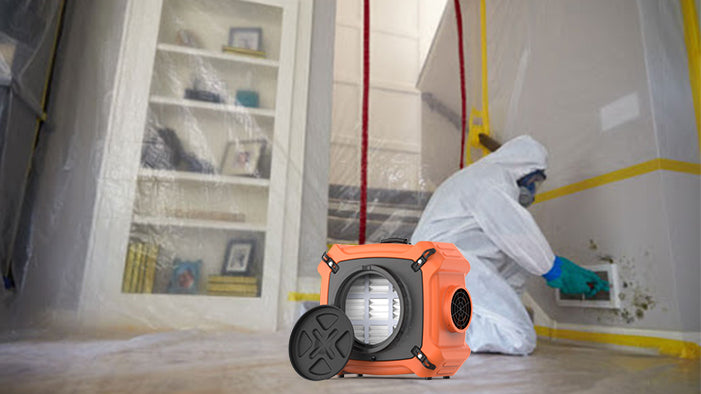
Let me start with something I tell Oakland Park homeowners all the time: mold removal doesn’t have to feel like a disaster movie scene. Yet, when people discover mold, panic kicks in fast. Some grab bleach. Others assume they need to gut the whole house.
After years of mold inspections and remediation across Broward County, I’ve learned this: most mold problems become manageable when homeowners act early and fix moisture properly. So today, let’s talk practical, real-world advice—no scare tactics, just expert lessons from homes just like yours.
Ready to tackle mold smarter, not harder? Let’s get into it.
Why Mold Problems Keep Showing Up in Oakland Park Homes
Living in South Florida means humidity never really takes a day off. Warm air, storms, and nonstop AC use create perfect mold conditions.
Mold grows when these smart conditions line up:
- Moisture stays trapped
- Ventilation stays poor
- Leaks go unnoticed
- Humidity stays high
Ever notice how two homes on the same street behave completely differently? One stays mold-free while the other struggles repeatedly. Why?
Because moisture control matters more than the home’s age or appearance.
Lesson From Inspections: Mold Problems Rarely Start Big
Small Moisture Issues Create Large Mold Problems
One Oakland Park homeowner called us for a musty smell in a hallway. Nothing looked wrong at all.
We checked inside the wall and found a tiny pipe leak soaking drywall for months. Mold had spread across framing and insulation.
The leak stayed hidden, so mold quietly expanded. So ask yourself: when did you last check hidden moisture areas in your home?
Tiny leaks often create the biggest mold headaches.
Expert Advice #1: Don’t Rely on Surface Cleaning Alone
Homeowners often try DIY mold cleaning first. Sometimes it helps temporarily, but inspections show surface cleaning rarely solves the root problem.
Why Surface Cleaning Fails
Surface cleaning usually:
- Removes visible mold only
- Leaves mold roots inside materials
- Ignores moisture sources
- Allows mold to return
Ever scrub mold away only to see it come back weeks later? Same story every time—moisture stayed behind.
IMO, surface cleaning gives homeowners false confidence more than permanent solutions.
Expert Advice #2: Fix Moisture First, Not Mold First
Here’s one of the biggest professional lessons: removing mold without fixing moisture equals repeat problems.
Moisture Always Comes First
Experts always start by:
- Finding leak sources
- Correcting plumbing issues
- Fixing roof leaks
- Improving ventilation
- Reducing humidity
Once moisture disappears, mold removal actually works.
Ever treat symptoms instead of the cause? Mold behaves the same way.
Expert Advice #3: Containment Matters During Mold Removal
Many homeowners don’t realize cleaning mold incorrectly can spread contamination.
Mold Removal Needs Proper Containment
Professional mold removal typically includes:
- Plastic containment barriers
- Negative air pressure setups
- HEPA air scrubbers
- Controlled material removal
- Proper debris disposal
Containment stops spores from spreading into clean areas.
Ever try sweeping dust only to spread it everywhere? Mold spreads even easier without containment.
FYI, improper cleanup often makes mold problems worse.
Mold Removal vs Mold Remediation — Know the Difference
These terms confuse homeowners constantly, so let’s simplify.
Mold Removal Handles Visible Mold
Removal usually involves:
- Cleaning visible mold
- Removing damaged materials
- Treating surfaces
Mold Remediation Solves the Whole Issue
Remediation includes:
- Fixing moisture sources
- Containing contaminated areas
- Drying structures fully
- Cleaning HVAC systems
- Preventing future mold growth
Remediation prevents mold from returning, while removal alone may not.
Ever fix something only to see the problem return later? Same situation.
Signs Your Oakland Park Home May Need Mold Removal
Homes usually give warning signs before mold becomes obvious.
Watch for These Clues
Pay attention if you notice:
- Musty or damp odors
- Wall bubbling or peeling paint
- Ceiling stains
- Warped baseboards
- Recurring allergy symptoms indoors
- Humidity problems
- Mold returning after cleaning
Ever notice symptoms improve once you leave home? Indoor air quality might be part of the story.
Ignoring early signs almost always increases cleanup costs later.
Real Mold Sources We See in Oakland Park Homes
Inspection patterns repeat across neighborhoods.
Common Mold Triggers
We frequently discover mold caused by:
- Roof leaks after storms
- AC condensation overflow
- Hidden plumbing leaks
- Bathroom ventilation problems
- Past flooding
- Poor airflow areas
And here’s the surprise—many homeowners never realized moisture problems existed.
Why? Because moisture hides before mold becomes visible.
Expert Advice #4: HVAC Systems Often Spread Mold
Here’s something many homeowners miss. Mold doesn’t always stay where it starts.
HVAC Systems Move Mold Around
During inspections, we often find mold inside:
- Air handlers
- Return ducts
- Supply vents
- Drain pans
- Duct insulation
Once mold enters HVAC systems, spores circulate throughout the home.
Ever smell mustiness only when the AC runs? That usually signals system contamination.
Ignoring HVAC issues often leads to repeat mold problems.
Practical Mold Prevention Tips Homeowners Can Use
Good news—you don’t need expensive upgrades to prevent mold growth.
Smart Mold Prevention Steps
Experts recommend:
- Fix leaks immediately
- Maintain AC systems yearly
- Use bathroom exhaust fans
- Keep humidity below 60%
- Dry wet areas quickly
- Inspect homes after storms
Small efforts today prevent major mold repairs tomorrow 🙂
When Should You Call Mold Professionals?
DIY cleanup works for tiny spots, but larger situations need expert solutions.
Call professionals when:
- Mold covers large areas
- Flooding recently occurred
- Mold keeps returning
- Musty odors persist
- Allergy symptoms worsen indoors
- You suspect hidden mold
Professionals prevent spores from spreading during removal.
Why gamble with indoor air quality when experts can handle cleanup safely?
Why Local Experience Matters in Oakland Park
Oakland Park homes deal with coastal humidity, storm moisture, and heavy AC usage. Every home reacts differently.
Local professionals understand:
- Broward County humidity patterns
- Storm-related moisture risks
- Common construction weaknesses
- Ventilation challenges in Florida homes
Experience speeds up solutions and prevents unnecessary repairs.
Final Thoughts: Practical Steps Beat Panic Every Time
Real inspections teach one big lesson: mold problems follow moisture, not bad luck. Panic decisions often cost homeowners more than smart, early action.
Homeowners who fix leaks quickly, maintain ventilation, and inspect moisture areas regularly usually avoid large mold projects.
So next time you notice a musty smell or suspicious stain, ask yourself, “Where could moisture be hiding?”
Act early, fix moisture fast, and your Oakland Park home stays healthier, safer, and mold-free for the long run. And honestly, peace of mind at home beats mold stress every time, right?
