
Practical Advice From Experts: Mold Testing Insights for Homes in Coral Springs
Mold testing sounds complicated until you see how it actually plays out in real homes. I’ve reviewed a lot of inspections in Coral Springs, and the same issues show up again and again. Homeowners either wait too long, test without context, or expect testing to magically fix the problem.
Let’s skip the drama and talk practical advice. This is the stuff experts actually rely on when deciding if mold testing makes sense, when it doesn’t, and how to use the results without wasting money.
What Mold Testing Is Supposed to Do (And What It Isn’t)
Mold testing exists to answer questions, not create fear. It tells you what’s happening in the air and hidden spaces, not what you should panic about.
Good mold testing helps determine:
- Whether mold is present
- Where it may be coming from
- If indoor air quality is affected
- How widespread the issue might be
Testing doesn’t fix mold. It guides smart decisions so fixes stay targeted instead of destructive.
When Mold Testing Actually Makes Sense
Situations Where Experts Recommend Testing
Not every home needs mold testing. Experts usually suggest it when something specific raises concern.
Common triggers include:
- Persistent musty odors
- Allergy symptoms that worsen indoors
- Past water damage
- High indoor humidity that won’t settle down
- HVAC moisture or condensation issues
Testing works best when a reason exists. Random testing without context usually creates confusion instead of clarity.
When Testing Often Isn’t Necessary
If you see visible mold caused by an obvious leak, testing often adds little value. The problem already identified itself.
In those cases, experts focus on:
- Fixing the moisture source
- Removing contaminated materials
- Verifying dryness afterward
Testing becomes more useful when mold hides, not when it announces itself.
Why Coral Springs Homes Present Unique Challenges
Humidity Stays Relentless
Coral Springs deals with high humidity most of the year. Moist air constantly pushes indoors, even when AC runs nonstop.
That humidity affects:
- Ductwork
- Wall cavities
- Attics
- HVAC components
When moisture lingers, mold growth becomes a probability, not a surprise.
Modern Homes Trap Moisture
Energy-efficient homes seal tightly. That design lowers utility bills but limits natural air exchange.
Without proper ventilation, moisture accumulates quietly. Mold testing often reveals problems long before damage becomes visible.
What Experts Look for Before Testing
Moisture Always Comes First
Experienced inspectors don’t start with air samples. They start with moisture.
They check:
- Indoor humidity levels
- HVAC drain pans and lines
- Duct insulation
- Plumbing connections
- Bathroom and kitchen ventilation
If moisture exists, mold eventually follows. Testing confirms how far things progressed.
Visual Inspections Still Matter
Testing without inspection misses context. Experts rely on both.
They look for:
- Stains or discoloration
- Condensation on vents
- Warped materials
- Odors tied to airflow patterns
Testing supports these findings instead of replacing them.
Understanding Air Sampling Results Without Overreacting
Indoor vs. Outdoor Comparisons Matter
Air sampling makes sense only when compared to outdoor levels. Mold exists everywhere, so finding spores indoors doesn’t automatically mean trouble.
Experts look for:
- Indoor levels exceeding outdoor levels
- Certain spore types dominating indoors
- Patterns that suggest internal growth
Numbers alone don’t scare professionals. Patterns do.
Quantity Beats Mold Names Every Time
Homeowners fixate on mold names. Experts focus on concentration and exposure.
High spore counts over time matter more than whether mold sounds scary. Long-term exposure drives symptoms and damage, not labels.
Why DIY Mold Test Kits Fall Short
DIY kits promise easy answers. In practice, they often cause stress.
Common issues include:
- No outdoor comparison
- No interpretation
- Growth in normal conditions
- Misleading results
Mold spores always grow on plates. That growth alone doesn’t prove a problem.
Without context, results mean very little.
HVAC Systems Skew Mold Test Results
HVAC Mold Creates Constant Exposure
When mold grows inside HVAC systems, spores circulate through the home repeatedly. That exposure pattern shows up clearly in test results.
Experts often test:
- Near supply vents
- At air handlers
- Inside return areas
This approach helps identify whether the HVAC system contributes to indoor mold levels.
Oversized Systems Show Up in the Data
Oversized HVAC systems cool quickly but remove less moisture. That imbalance leads to damp conditions inside ducts and coils.
Mold testing often reflects this with elevated indoor counts even when rooms look clean.
Common Mold Testing Mistakes Experts See
Testing Too Late
Waiting until symptoms worsen or damage appears usually increases remediation scope. Early testing limits how far mold spreads.
Testing Without a Plan
Testing without knowing how results guide action wastes money. Experts test with a goal in mind.
Ignoring Moisture After Testing
Testing identifies mold, not causes. Ignoring humidity, leaks, or airflow issues guarantees recurrence.
How Mold Testing Saves Money When Used Correctly
Testing Limits Guesswork
Without testing, remediation often expands unnecessarily. Walls get opened “just in case.” Costs climb fast.
Testing narrows focus and keeps work contained.
Early Testing Prevents Bigger Repairs
Homes tested early often need:
- Ventilation improvements
- HVAC maintenance
- Moisture control adjustments
Homes tested late often require:
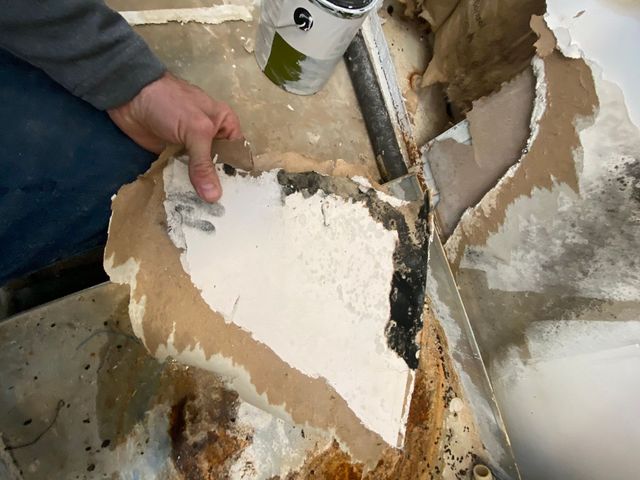
- Drywall removal
- Insulation replacement
- Extensive remediation zones
Timing makes all the difference.
What Experts Recommend After Testing
Pair Results With Action
Testing without follow-through changes nothing. Experts use results to:
- Fix moisture sources
- Improve ventilation
- Address HVAC issues
- Verify cleanup success
Each step builds on the last.
Consider Post-Remediation Verification
After remediation, testing confirms success. It ensures indoor levels return to normal ranges.
Verification protects homeowners from repeat problems and repeat costs.
Red Flags Homeowners Shouldn’t Ignore
Experts recommend testing when homeowners notice:
- Persistent musty odors
- Condensation on vents or windows
- Allergy symptoms that improve outside the home
- Water damage history
- HVAC components that stay damp
Ignoring these signs almost always leads to higher costs later.
Lessons From Real Homes in Coral Springs
Across inspections, one lesson stays consistent. Homes with good moisture control test cleaner.
Homes with:
- Poor ventilation
- High humidity
- HVAC maintenance gaps
- Hidden leaks
show elevated mold findings more often. Testing doesn’t create the problem. It simply reveals it.
Practical Takeaways Homeowners Can Use
Here’s the short version experts agree on:
- Test when there’s a reason, not randomly
- Always address moisture first
- Use testing to guide decisions, not fuel fear
- Pair testing with inspection and interpretation
- Act early to keep fixes small
FYI, information costs far less than damage.
Final Thoughts: Smart Testing Beats Guessing Every Time
Mold testing works best when used thoughtfully. Homes in Coral Springs face constant moisture pressure, and ignoring that reality never helps.
When homeowners use mold testing as a tool instead of a trigger, they make smarter decisions, protect indoor air quality, and avoid unnecessary expenses. Practical advice always beats panic, and mold testing proves that point when experts use it the right way.
