
Real Risks, Not Fear Tactics: Air Duct Mold Insights for Homes in Florida
Air duct mold gets marketed like a horror movie. Either it’s “toxic doom in your vents” or “nothing to worry about at all.” After reviewing inspections across Florida, I can tell you both extremes miss the truth. Air duct mold carries real risks, but those risks come from moisture, airflow, and exposure patterns—not scary labels or dramatic claims.
Let’s drop the fear tactics and talk about what actually happens inside Florida homes, why air ducts matter so much, and what homeowners should realistically care about.
Why Air Duct Mold Deserves Attention (But Not Panic)
Air ducts move air. Whatever grows inside them doesn’t stay put.
When mold grows on a wall, exposure stays mostly localized. When mold grows in ductwork, the HVAC system distributes spores throughout the home repeatedly. That distribution turns a small growth area into a whole-house air quality issue.
The real risk isn’t the mold itself. It’s the exposure pathway.
How Air Duct Mold Actually Forms
Moisture Always Comes First
Mold doesn’t appear in ducts by accident. It follows moisture every single time.
Common moisture sources include:
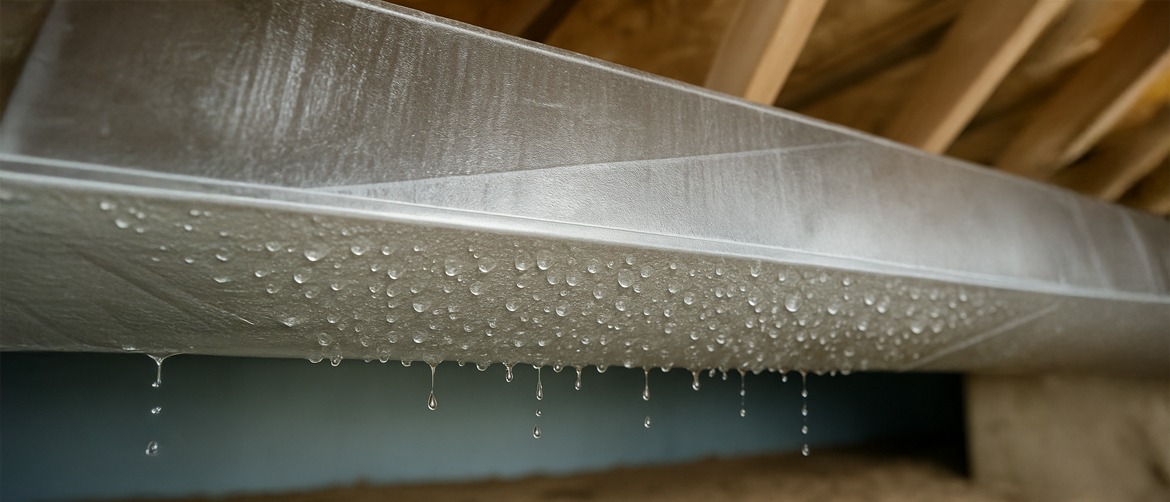
- Condensation inside ducts
- Humid air pulled in through leaks
- Poor duct insulation
- Short HVAC run cycles
Florida’s climate makes these issues more likely. Warm, humid air surrounds ducts, and cold air flows inside them. That temperature difference creates condensation quietly and repeatedly.
Dust Feeds the Growth
Ducts don’t need to be “dirty” to grow mold. They just need dust.
Dust contains organic material like skin cells and fibers. Once moisture sticks to that dust, mold has everything it needs. Even clean homes generate dust constantly.
Why Florida Homes Face Higher Duct Mold Risk
Humidity Never Fully Resets
Florida homes rarely get a break from humidity. Moist air pushes indoors year-round, even when the AC runs nonstop.
That humidity:
- Slows drying inside ducts
- Increases condensation frequency
- Keeps surfaces damp longer
In dry climates, ducts dry out naturally. In Florida, they often don’t.
Oversized HVAC Systems Make It Worse
Oversized systems cool air fast and shut off early. That short cycling removes less moisture from the air.
The result:
- Cool rooms
- Damp ducts
- Condensation buildup
Homeowners feel comfortable while mold conditions quietly improve.
The Real Health Risks of Air Duct Mold
Continuous Exposure Matters More Than Mold Type
Most health effects linked to air duct mold come from repeated exposure, not brief contact.
Common complaints tied to duct-related mold include:
- Chronic congestion
- Sneezing indoors
- Coughing
- Eye irritation
- Asthma flare-ups
People often say symptoms feel worse at home and better outside. That pattern shows up repeatedly in homes with duct-related mold issues.
Long-Term Exposure Drives Symptoms
Mold inside ducts creates daily exposure. Every cooling cycle circulates spores again.
This explains why:
- Symptoms linger
- Medications help less over time
- Air never feels truly fresh
The issue isn’t dramatic toxicity. It’s consistency.
What Air Duct Mold Usually Doesn’t Do
This part matters because fear tactics thrive on exaggeration.
Air duct mold usually does not:
- Cause sudden severe illness
- Poison a home overnight
- Affect everyone equally
- Create problems without moisture
Health impacts vary by person, exposure level, and duration. Real risks come from ongoing exposure combined with poor indoor air quality—not from the presence of mold alone.
Where Air Duct Mold Shows Up Most Often
Inside Duct Interiors
Mold often grows on interior duct surfaces where condensation and dust combine. Flexible ducts and poorly insulated ducts show higher risk.
Because ducts stay hidden, growth often goes unnoticed until symptoms appear.
Near Air Handlers and Drain Pans
Air handlers produce condensation naturally. When drain lines clog or pans rust, moisture builds inside the unit.
Once mold grows there, ducts simply distribute it. Treating ducts without addressing the air handler misses the source.
Why Smells Come and Go
Musty odors linked to duct mold often appear:
- When the AC starts
- During high humidity days
- After the system sits idle
That inconsistency confuses homeowners. In reality, airflow patterns determine whether odors reach living spaces.
If smells line up with system operation, ducts deserve attention.
Common Myths That Make Problems Worse
“If I Can’t See Mold, It’s Not in My Ducts”
Duct mold hides well. Visual confirmation usually comes late.
Air sampling, moisture checks, and HVAC inspection reveal problems long before growth becomes visible.
“Sprays and Fogging Solve Duct Mold”
Chemicals don’t change physics. If moisture stays, mold returns.
Sprays may reduce odor temporarily, but they don’t stop condensation or humidity.
Moisture control stops duct mold. Products don’t.
When Air Duct Cleaning Actually Helps
Duct cleaning helps when:
- Mold growth exists inside ducts
- Heavy dust buildup holds moisture
- Odors trace back to the system
Cleaning alone doesn’t prevent regrowth. Cleaning paired with moisture correction does.
Effective solutions combine:
- Duct cleaning
- Duct sealing
- Insulation repair
- HVAC maintenance
One without the others rarely lasts.
The Role of Duct Leaks in Mold Growth
Leaky ducts pull humid air from attics, crawl spaces, and wall cavities. That air condenses inside cooler ducts.
Inspection data shows strong correlation between duct leakage and mold findings.
Sealing ducts:
- Reduces condensation
- Improves airflow
- Lowers humidity inside the system
In many homes, sealing matters as much as cleaning.
Why Testing Helps Without Causing Panic
Air duct mold often hides. Testing helps confirm whether ducts contribute to indoor air quality issues.
Testing works best when:
- Paired with inspection
- Compared to outdoor samples
- Used to guide targeted fixes
Testing doesn’t force remediation. It provides clarity.
FYI, testing saves money when it prevents unnecessary demolition or guesswork.
What Experts Look for First
Professionals don’t start by chasing mold. They start by chasing moisture.
They evaluate:
- Indoor humidity levels
- HVAC run cycles
- Drain lines and pans
- Duct insulation and leakage
- Airflow balance
When moisture stays controlled, mold struggles to survive.
Practical Steps That Reduce Real Risk
You don’t need extreme measures. You need consistency.
Effective steps include:
- Maintaining HVAC systems regularly
- Monitoring indoor humidity
- Sealing and insulating ductwork
- Addressing condensation early
- Investigating persistent odors
IMO, these steps reduce duct mold risk more reliably than any one-time treatment.
Lessons From Real Homes Across Florida
Across inspections statewide, one lesson stays consistent. Homes with controlled humidity and maintained HVAC systems show fewer duct mold issues.
Homes that ignore moisture tend to chase symptoms repeatedly. The difference isn’t luck. It’s understanding how ducts behave in humid climates.
Once homeowners focus on moisture and airflow, air duct mold stops feeling mysterious.
What Homeowners Should Take Seriously
Air duct mold deserves attention when homeowners notice:
- Symptoms that worsen indoors
- Odors tied to AC operation
- Condensation on vents
- High indoor humidity
- Past HVAC moisture issues
Ignoring these signs allows exposure to continue quietly.
Final Thoughts: Real Risks Deserve Real Solutions
Air duct mold doesn’t need fear-based messaging to matter. Homes in Florida face real humidity and airflow challenges, and duct systems sit right in the middle of that reality.
When homeowners understand how moisture, dust, and airflow interact, air duct mold becomes manageable instead of frightening. The real risk comes from ignoring conditions, not from understanding them, and smart, calm action always beats panic-driven decisions.
