
Real Risks, Not Fear Tactics: Air Duct Mold Insights for Homes in Hollywood
Air duct mold gets talked about in extremes—either it’s brushed off as nothing, or it’s sold as a doomsday scenario. The truth sits comfortably in the middle. For Hollywood homeowners, air duct mold is a real issue, but it’s not a panic situation if you understand the actual risks and how inspectors evaluate it.
Let’s cut through the noise and focus on what experts really see in South Florida homes.
Why Air Duct Mold Is Common in Hollywood Homes
Hollywood’s climate checks every box mold needs:
- High humidity
- Heavy AC use year-round
- Condensation inside cooling systems
Your HVAC system naturally produces moisture. When drain lines clog, insulation degrades, or airflow is restricted, that moisture sticks around—creating a perfect environment for mold growth inside ducts or air handlers.
This isn’t about dirty homes. It’s about physics and humidity.
Where Mold Actually Forms in HVAC Systems
Contrary to popular scare ads, mold usually doesn’t coat every inch of ductwork.
Inspectors most often find growth in:
- Air handlers and evaporator coils
- AC drain pans and drain lines
- Insulated duct liners
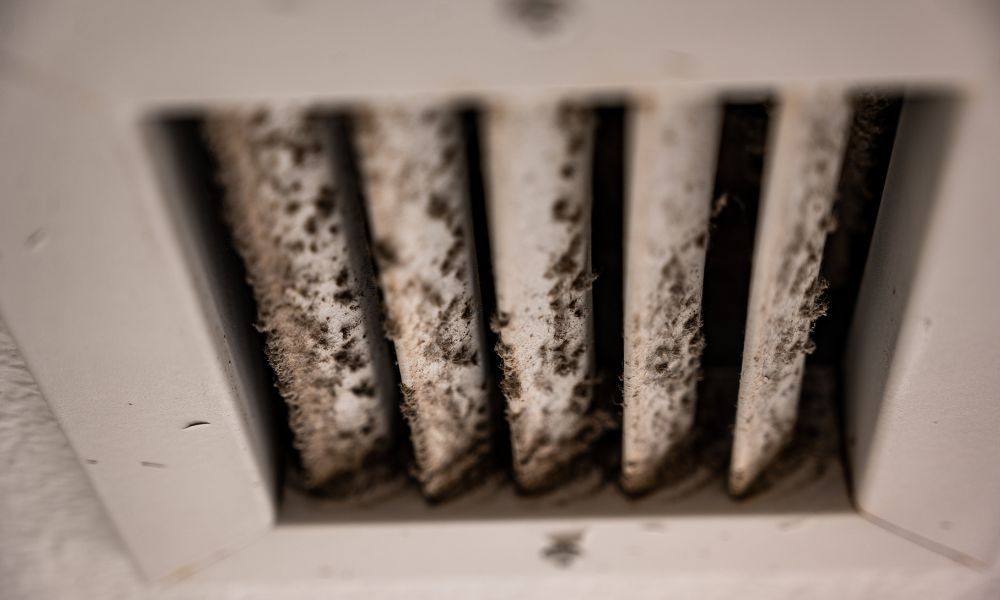
- Supply vents with condensation issues
Metal ducts themselves are less mold-friendly. The real problem areas are moist components and organic insulation materials.
What the Real Risks Are (and Aren’t)
✔️ Legitimate Risks
- Airborne spores circulating through the home
- Worsening allergy or asthma symptoms
- Persistent musty odors tied to AC operation
- Mold spreading to ceilings, walls, or closets near vents
If mold is active and moisture isn’t corrected, it tends to spread—not stay contained.
❌ What’s Often Overstated
- Mold automatically making a home “toxic”
- Every duct system needing replacement
- Fogging or spraying alone solving the problem
Experts agree: treatment without moisture control is a temporary fix at best.
Signs Air Duct Mold Might Be an Issue
Hollywood homeowners usually notice patterns before inspectors confirm mold:
- Musty smells when the AC kicks on
- Dark buildup around vents that returns after cleaning
- Excessive condensation on vents or ceilings
- Allergy symptoms that improve when leaving the house
These signs don’t confirm mold—but they absolutely justify inspection.
Why Duct Cleaning Isn’t Always the Answer
This is where fear tactics often show up.
Duct cleaning can help if:
- Mold is light and limited
- Moisture issues have already been fixed
But cleaning alone won’t help if:
- The drain pan keeps overflowing
- Duct insulation stays damp
- Humidity levels remain high
In those cases, mold simply grows back.
What Professional Inspections Focus On
Legitimate inspections don’t rely on scare language. They focus on:
- Moisture sources
- Air handler condition
- Drain system performance
- Visible growth confirmation
- Air or surface testing when needed
The goal is understanding cause and scope, not selling unnecessary services.
How to Reduce the Risk Moving Forward
Experts consistently recommend:
- Regular AC maintenance
- Keeping drain lines clear
- Managing indoor humidity
- Addressing condensation immediately
- Investigating musty odors early
These steps reduce the chance of mold returning—even after remediation.
The Hollywood Homeowner Reality
In Hollywood, air duct mold is neither rare nor catastrophic by default. It’s a moisture problem first—and a mold problem second. When handled logically, it’s usually manageable. When ignored or oversold, it becomes expensive.
Final Takeaway
Air duct mold deserves attention, not fear. For Hollywood homeowners, understanding where mold actually grows, what risks are real, and how professionals evaluate HVAC systems makes all the difference.
If something seems off, get it checked—but skip the panic. Clear information, proper inspection, and moisture control are what truly protect your home and indoor air quality.
