
Real Risks, Not Fear Tactics: Air Duct Mold Insights for Homes in Oakland Park
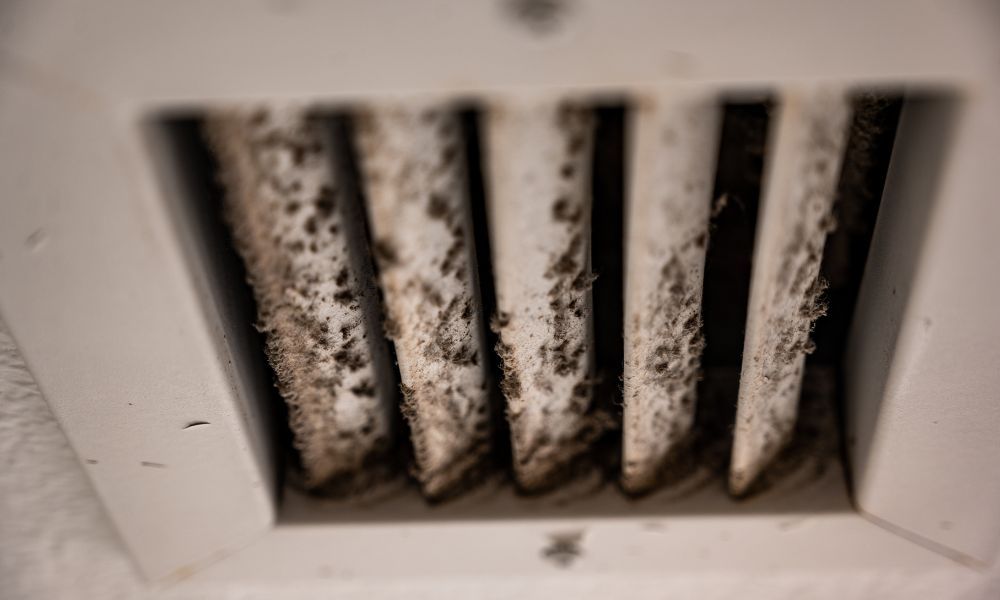
Air duct mold is one of those issues homeowners don’t think about—until musty smells won’t go away or mold keeps showing up in rooms that were never wet. After real inspections in homes across Oakland Park, one thing is clear: air duct mold isn’t rare here, and it doesn’t need a disaster to start.
This isn’t about scare stories. It’s about understanding the real risks and what actually causes mold inside duct systems.
Why Air Ducts Are a Common Mold Problem
Air ducts create an environment mold loves:
- Condensation from cold air meeting humid air
- Darkness and limited airflow inside duct runs
- Dust and debris that feed mold growth
Once moisture enters the system, mold doesn’t need much time to establish itself.
How Mold Gets Into the Ductwork
In Oakland Park homes, inspectors commonly trace duct mold back to:
- AC systems with drainage or condensation issues
- Leaky duct connections pulling in humid attic air
- Dirty or clogged filters restricting airflow
- Older duct insulation that absorbs moisture
The duct system becomes both a growth area and a transport system.
How Air Duct Mold Spreads Through the Home
Mold doesn’t need to grow everywhere to cause problems everywhere.
What actually happens:
- Mold grows in one damp section of ductwork
- Spores release into moving air
- HVAC cycles distribute spores throughout the house
- Mold appears later in vents, ceilings, or closets
This is why mold often feels “random” to homeowners.
Why DIY Vent Cleaning Rarely Fixes the Issue
Cleaning vent covers or spraying disinfectant might help temporarily, but it doesn’t address the real problem.
DIY methods usually miss:
- Mold deeper inside duct runs
- Contaminated insulation lining the ducts
- Ongoing moisture problems
- Airborne spores already circulating
Without fixing moisture, mold returns—often quietly.
Real Risks Homeowners Should Know
From real inspections, air duct mold is linked to:
- Persistent musty odors
- Recurring mold after repeated cleaning
- Increased allergy or asthma symptoms
- Hidden damage inside ductwork
These issues tend to build slowly, which is why they’re often overlooked.
Why Oakland Park Homes See This More Often
Air duct mold shows up frequently in Oakland Park homes because:
- High humidity year-round
- AC systems running most of the day
- Older duct designs with internal insulation
- Inconsistent airflow and pressure issues
Mold doesn’t need flooding—just moisture that never fully dries.
What Actually Stops Air Duct Mold
Effective solutions focus on the system, not just appearances:
- Inspecting duct interiors and air handlers
- Correcting condensation and drainage issues
- Cleaning or removing contaminated duct materials
- Controlling airborne spores properly
- Maintaining healthy indoor humidity
Once moisture is controlled, mold stops spreading.
Bottom Line
Air duct mold isn’t exaggerated, and it isn’t mysterious. In Oakland Park homes, it’s usually the result of moisture inside systems designed to move air constantly in a humid climate.
Clean vents won’t solve it. Dry ducts will.
That’s the difference between temporary relief and a solution that actually lasts.
