
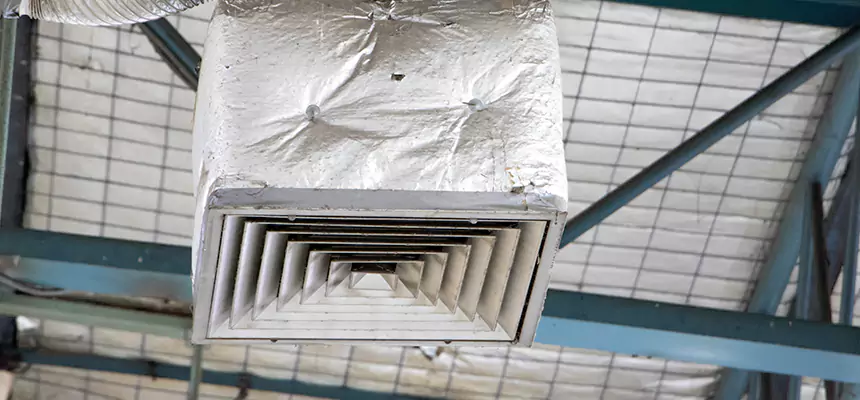
Real Risks, Not Fear Tactics: Air Duct Mold Insights for Homes in Sunrise
Air duct mold gets marketed like a horror story. One phone call and suddenly homeowners think their entire HVAC system is toxic, unsafe, and needs to be ripped out immediately. That kind of messaging sells services, but it doesn’t help homeowners make smart decisions.
What we actually see inside homes in Sunrise tells a calmer, more practical story. Air duct mold is a real issue—but it’s rarely the disaster people are led to believe. The real risk comes from misunderstanding how it forms, how it spreads, and what actually needs to be fixed. Let’s break this down without fear tactics and focus on what truly matters.
The First Reality Check: Air Duct Mold Is Usually a Symptom
This gets misunderstood constantly.
What Inspections Consistently Show
In Sunrise homes, air duct mold almost always points to:
- Ongoing moisture or condensation
- Elevated indoor humidity
- HVAC drainage or airflow issues
Mold doesn’t randomly choose ducts. It grows there because conditions allow it. Treating ducts alone without fixing moisture solves nothing.
Real Risk #1: Moisture Inside the HVAC System
Moisture is the real driver behind air duct mold.
Where Moisture Comes From
Inside HVAC systems, moisture commonly comes from:
- Condensation on evaporator coils
- Drain pans that don’t fully empty
- High humidity entering the system
- Short AC cycles that don’t dry components
In Sunrise’s climate, HVAC systems run often and stay cool. When moisture doesn’t drain or dry properly, mold growth becomes predictable.
What Air Duct Mold Usually Looks Like in Real Homes
Forget dramatic images you see online.
What We Actually See During Inspections
In most Sunrise homes, air duct mold appears as:
- Light to moderate growth in specific sections
- Mold near vents with condensation issues
- Mold tied to air handler components
It’s often localized, not system-wide. Inspection determines scope instead of assuming the worst.
Real Risk #2: HVAC Systems Can Spread Mold Spores
This is where risk becomes more than cosmetic.
How Spread Actually Happens
When mold grows inside HVAC components:
- Spores enter the airflow
- Air distributes spores through ducts
- Spores settle throughout the home
That doesn’t mean the home is unsafe—it means the source needs addressing. Spread stops when moisture and growth stop.
What Most Fear-Based Claims Get Wrong
This matters for cost and stress.
Common Exaggerations Homeowners Hear
Fear-based messaging often claims:
- All ducts must be replaced
- Any mold is immediately dangerous
- Duct cleaning alone fixes everything
Real inspections rarely support these extremes. Most cases fall somewhere in the middle and require targeted correction—not panic.
Real Risk #3: Ignoring Condensation
Condensation is an early warning sign.
Where Condensation Shows Up First
In Sunrise homes, we commonly see condensation:
- On supply vents
- Around duct boots
- On metal HVAC components
Condensation means warm, humid air is hitting cooler surfaces. Mold often follows if nothing changes.
What Air Duct Mold Is Not
Clearing this up matters.
Air Duct Mold Is Not:
- Proof your home is dirty
- A sign your HVAC system failed
- Automatically a health emergency
- Always widespread
Mold doesn’t judge cleanliness. It responds to moisture, airflow, and temperature.
Real Risk #4: Treating Air Duct Mold as a Cleaning Issue Only
This is where cycles start.
Why Cleaning Alone Doesn’t Work
Duct cleaning without correction:
- Removes visible mold
- Leaves moisture active
- Allows regrowth
We inspect many Sunrise homes where ducts were cleaned multiple times and mold still returned because the underlying conditions never changed.
HVAC Components Matter More Than Ducts Alone
This is where inspections focus.
What Inspectors Look At First
Rather than guessing, inspection evaluates:
- Air handlers
- Evaporator coils
- Drain pans and drain lines
- Internal insulation
These areas often explain why duct mold exists in the first place.
Real Risk #5: Indoor Air Quality Complaints
People usually notice symptoms before mold.
Common Complaints From Homeowners
In homes with air duct mold involvement, homeowners often report:
- Allergy symptoms indoors
- Nasal congestion
- Fatigue or headaches
- Symptoms improving outside the home
These patterns usually point toward HVAC-related air quality issues, not just dirty ducts.
What Doesn’t Automatically Increase Risk
This is where fear tactics overshoot reality.
Factors That Don’t Automatically Mean Danger
- Small amounts of localized duct mold
- Mold limited to one vent
- No ongoing moisture issues
Risk increases when moisture stays active and spores circulate continuously—not simply because mold exists.
Mold Inspection Removes the Guesswork
Inspection changes the conversation completely.
What Inspection Clarifies
A proper inspection determines:
- Whether ducts are truly affected
- Where moisture originates
- If HVAC components are involved
- How far mold actually spread
This prevents unnecessary duct replacement or incomplete cleaning.
Mold Testing: When It Makes Sense
Testing isn’t always required, but it can help.
Situations Where Testing Adds Value
Testing supports inspection when:
- Symptoms exist without visible mold
- HVAC contamination seems likely
- Documentation is needed
Testing confirms exposure. Inspection explains the cause.
Mold Removal vs Mold Remediation for Air Duct Mold
These get confused constantly.
Why Removal Alone Falls Short
Removal:
- Treats visible mold
- Leaves moisture active
- Doesn’t prevent return
Why Remediation Works
Proper remediation includes:
- Containment to prevent spore spread
- HEPA air filtration
- Cleaning or replacing affected components
- Moisture and humidity correction
- Preventive treatments
Remediation stops the cycle instead of restarting it.
Why Sunrise Homes Are Especially Vulnerable
Location matters.
Local Factors That Increase Risk
Homes in Sunrise deal with:
- High year-round humidity
- Heavy AC usage
- Slow indoor drying
- Tight construction trapping air
These conditions allow condensation to persist longer than homeowners expect.
Practical, Non-Alarmist Advice for Homeowners
You don’t need fear. You need clarity.
Smart, Evidence-Based Steps
- Address condensation early
- Control indoor humidity
- Maintain HVAC drainage
- Inspect before replacing ducts
- Focus on moisture, not panic
Each step reduces real risk without unnecessary expense.
When Air Duct Mold Needs Prompt Attention
Act sooner when:
- Mold appears in multiple rooms
- Condensation persists
- HVAC smells damp when running
- Health symptoms worsen indoors
At this stage, ignoring it often increases scope and cost.
What Responsible Professionals Focus On
Good professionals don’t scare homeowners.
What Responsible Approaches Prioritize
- Accurate inspection
- Defined scope
- Moisture correction
- Targeted remediation
Fear-based selling creates confusion. Fact-based solutions create results.
Final Thoughts: Real Risks Deserve Real Solutions
Air duct mold in Sunrise homes isn’t something to ignore—but it’s also not something to fear blindly. The real risk comes from misunderstanding how moisture and HVAC systems work together. Panic leads to overspending. Ignoring leads to spread.
Inspect early. Fix moisture. Treat the system, not just the ducts. When homeowners focus on real risks instead of fear tactics, air duct mold becomes manageable, affordable, and far less stressful to resolve.
