
Real Risks, Not Fear Tactics: Black Mold Insights for Homes in
Black mold is one of the most misunderstood issues homeowners in Oakland Park deal with. The term alone often causes panic, but real inspections tell a calmer, clearer story. Not every dark mold is toxic, and not every situation is an emergency—but any mold growth inside a home should be taken seriously, especially in South Florida’s humid environment.
What matters most is not the color of the mold, but where it’s growing, how long it’s been there, and what moisture problem is feeding it. In Oakland Park homes, black mold is almost always linked to long-term moisture issues that went unnoticed rather than sudden, dramatic events.
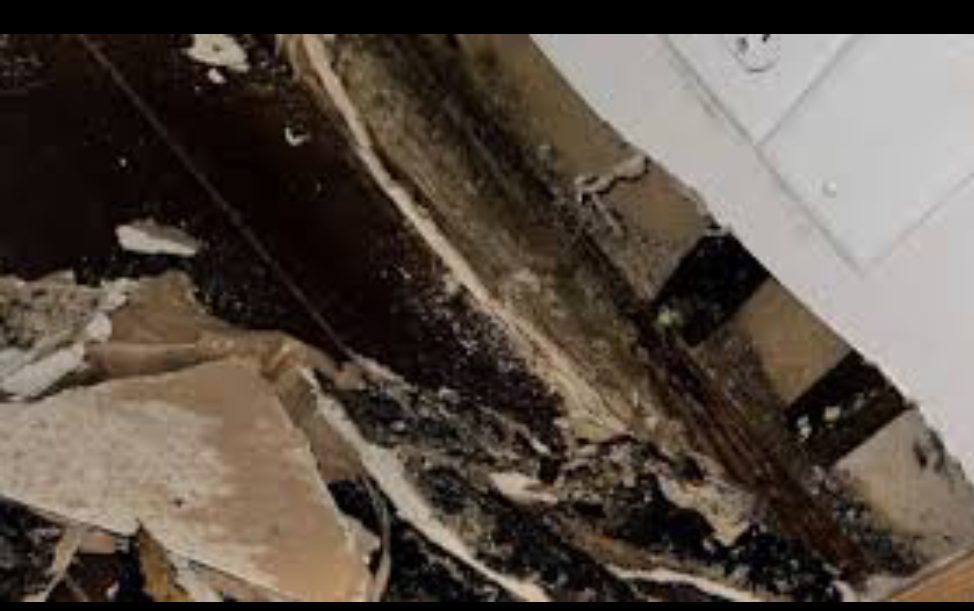
Black mold commonly develops in hidden, low-airflow areas where moisture lingers. During inspections, it’s rarely found in obvious places first.
The most common locations include:
- Behind bathroom and kitchen drywall
- Under sinks with slow plumbing leaks
- Around AC air handlers and drain pans
- Inside ductwork
- In closets or corners with poor ventilation
These areas stay damp long enough for mold to grow quietly without visible warning signs.
Black mold does not appear overnight. Inspection data shows it usually forms after weeks or months of consistent moisture. In Oakland Park homes, this moisture often comes from:
- High indoor humidity
- AC condensation issues
- Minor plumbing leaks
- Window or roof intrusion
Because the moisture source is often subtle, homeowners rarely connect it to mold growth until it becomes visible.
One of the most common inspection findings is that homeowners had no idea black mold was present until:
- A musty odor became noticeable
- Renovations exposed hidden areas
- Water damage revealed mold behind walls
- Indoor air quality declined
By the time black mold is visible, it has usually been growing for a long time.
Black mold can affect indoor air quality even when hidden. Mold releases microscopic spores that easily become airborne. When HVAC systems run, these spores can circulate throughout the home.
Homeowners often report:
- Persistent musty smells
- Air that feels heavy or stale
- Discomfort that improves when leaving the house
These signs are often linked to hidden mold rather than visible growth.
A major misconception is that black mold is always more dangerous than other types. Real inspections show that color alone does not determine risk.
What actually matters is:
- The amount of mold present
- How long occupants have been exposed
- Whether mold spores are circulating in the air
- Ongoing moisture conditions
This is why professional evaluation focuses on conditions, not assumptions.
Surface cleaning often removes visible staining but does not solve black mold problems. Mold grows into porous materials like drywall and wood. Cleaning only the surface leaves the root structure intact.
This is why:
- Mold keeps coming back
- Odors persist
- Cleaning seems to “work” temporarily
Without moisture control, regrowth is almost guaranteed.
Every black mold inspection points back to moisture. Until moisture is corrected, black mold will continue returning regardless of cleaning or treatment.
Common moisture issues include:
- Elevated indoor humidity
- AC drain line blockages
- Poor ventilation
- Undetected leaks
Moisture control is the single most important step in preventing recurrence.
In some Oakland Park homes, mold testing is used to support inspection findings, especially when black mold is suspected but hidden. Testing helps evaluate indoor air conditions and confirm whether mold spores are elevated.
Testing adds clarity—not fear—when used appropriately.
Inspection data consistently shows that homes with fewer black mold issues:
- Control indoor humidity
- Maintain HVAC systems
- Address leaks quickly
- Improve airflow
Prevention is far easier and less expensive than remediation.
Homeowners should consider professional evaluation if:
- Black mold is visible
- Musty odors persist
- Mold keeps returning after cleaning
- There has been water damage
- Indoor air feels uncomfortable
Early inspection almost always limits the extent of work needed.
Homes in face constant moisture challenges, making black mold a recurring concern when conditions are ignored.
👉 Contact us today to schedule a professional black mold inspection and address the real risks—without fear tactics.
