
Real Risks, Not Fear Tactics: Hidden Mold Insights for Homes in Plantation, Florida
If you live in Plantation, you’ve probably heard plenty of dramatic warnings about mold. From real inspections inside Plantation homes, the truth is far less scary—and far more useful. Hidden mold is common, usually manageable, and almost always tied to moisture that went unnoticed, not sudden danger.
This article focuses on real risks, not fear tactics, based on what inspectors actually find in Plantation homes and what genuinely affects indoor air quality and long-term costs.
The Real Risk: Hidden Mold Grows Quietly
Hidden mold isn’t dangerous because it’s secret—it’s risky because it can grow undetected for long periods.
In Plantation inspections, mold is often found:
- Behind drywall that looks perfectly fine
- Under kitchen and bathroom cabinets
- Behind bathroom vanities and showers
- Along exterior walls after rain
- Inside AC air handlers and drain pans
Homes can look clean and well cared for while mold slowly develops out of sight.
What Hidden Mold Usually Is Not
Let’s clear up common fears right away.
Hidden mold is usually not:
- A sudden health emergency
- Caused by poor housekeeping
- A sign the home is “unlivable”
- Something that spreads overnight
Most cases involve long-term moisture, not catastrophic events.
The #1 Cause of Hidden Mold in Plantation Homes: Moisture
From real inspections, hidden mold almost always traces back to moisture such as:
- Indoor humidity staying above 60%
- AC condensation that doesn’t drain fully
- Slow plumbing leaks inside walls
- Bathroom moisture without proper ventilation
- Minor exterior water intrusion after storms
Mold follows moisture. Remove moisture, and mold loses its advantage.
Why Plantation Homes Are Especially Prone
Plantation homes share conditions that allow moisture to linger:
- High year-round humidity
- Frequent rain
- Long AC run times
- Slab construction that limits drying
- Tightly sealed homes that trap moisture
None of this means something is “wrong” with the house—it just means moisture needs active management.
HVAC Systems: Where Hidden Mold Becomes a Bigger Issue
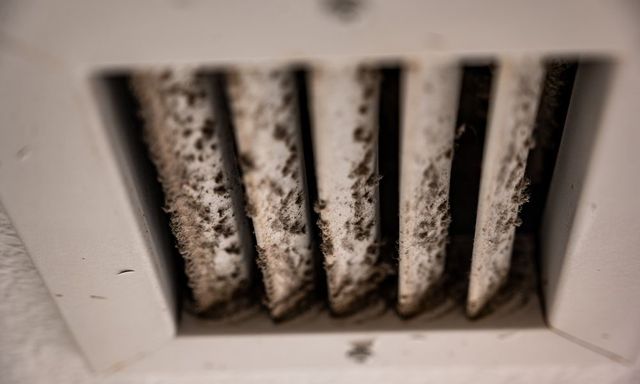
One of the most overlooked findings in Plantation inspections is mold tied to HVAC systems.
Hidden mold commonly appears in:
- Air handler cabinets
- Evaporator coils
- Condensate drain pans
- Internally insulated or flex ducts
When this happens, homeowners often notice:
- Musty smells when the AC runs
- Odors that feel house-wide
- Mold appearing in multiple rooms
This isn’t a crisis—it’s a sign moisture inside the system needs attention.
Odors Are a Real Risk Indicator (Not Just Annoying)
From inspections, persistent odors are one of the earliest and most reliable clues of hidden mold.
Pay attention to:
- Musty or earthy smells
- Odors that come and go
- Smells stronger after rain
- Odors that appear when the AC turns on
These odors are data points—not something to mask or ignore.
Health Effects: Realistic, Not Dramatic
Hidden mold exposure in Plantation homes most often causes:
- Allergy-like symptoms
- Sinus irritation indoors
- Headaches or fatigue at home
- Asthma flare-ups in sensitive individuals
These effects are usually chronic and gradual, not sudden or extreme. Many homeowners say:
“I feel better when I leave the house.”
That pattern often points back to indoor moisture and air quality—not panic-level exposure.
What Makes Hidden Mold a Financial Risk
The biggest risk inspectors see isn’t health—it’s delay.
When hidden mold is ignored:
- Growth spreads behind walls and cabinets
- More materials become affected
- HVAC systems often get involved
- Remediation becomes larger and more expensive
Most costly mold cases in Plantation didn’t start big—they were simply missed early.
Common Myths That Increase Risk
Myth: “If I can’t see mold, it’s not there.”
Reality: Most mold found during inspections is hidden.
Myth: “Bleach fixes mold.”
Reality: Bleach removes stains, not moisture or hidden growth.
Myth: “It’s just Florida humidity.”
Reality: Persistent humidity alone can support mold growth.
What Actually Reduces Hidden Mold Risk
Homes with better outcomes consistently:
- Keep indoor humidity below 60%
- Maintain AC drain lines and airflow
- Fix small leaks immediately
- Use bathroom exhaust fans properly
- Improve airflow in closets and enclosed rooms
- Investigate recurring odors early
These steps reduce risk without overreacting.
When Plantation Homeowners Should Look Deeper
Consider further evaluation if:
- Musty smells persist or return
- Mold keeps reappearing after cleaning
- The home always feels humid
- AC smells musty when running
- Allergy symptoms worsen indoors
These are early warning signs, not emergencies.
Real Risks, Real Solutions
Hidden mold in Plantation homes isn’t about fear—it’s about awareness. The real risk comes from ignoring moisture long enough for mold to spread and repairs to grow more invasive.
Homeowners who focus on facts instead of fear act earlier, spend less, and protect indoor air quality more effectively. If something smells off, feels damp, or keeps coming back, that’s not panic—it’s useful information. Acting on it early is the calmest, smartest move you can make.
