
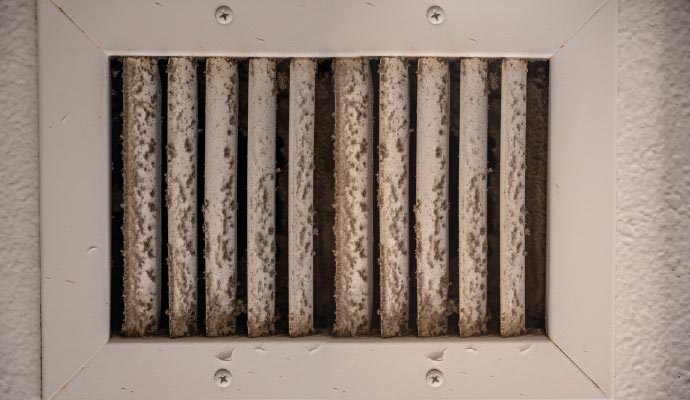
Hidden mold doesn’t need dramatic leaks or horror stories to become a real problem. In Weston, we inspect plenty of homes that look spotless, smell fine, and feel comfortable—until measurements tell a different story. The real risk isn’t panic-worthy danger. It’s quiet moisture, slow growth, and time doing what time always does.
This article shares real risks—not fear tactics—about hidden mold, based on what inspections actually uncover in homes in Weston. No exaggeration. No worst-case theatrics. Just the patterns, the physics, and the reasons small issues turn into expensive ones when nobody looks deeper.
Why Hidden Mold Gets Missed in Weston Homes
Living in Weston means humidity, tight construction, and air conditioning running most of the year. Homes stay sealed to stay efficient, which limits drying and fresh air exchange.
Most homeowners assume:
- Mold would be visible if it were serious
- Clean homes don’t hide mold
- No smell means no problem
Inspection data consistently shows hidden mold thrives precisely because of these assumptions.
What “Hidden Mold” Actually Means
Hidden mold simply means growth occurring out of sight—inside materials, not on them. It doesn’t need to announce itself to matter.
We commonly find hidden mold:
- Behind drywall
- Under cabinets and vanities
- Inside closets with poor airflow
- Within HVAC air handlers and duct insulation
By the time mold becomes visible, it usually spent weeks or months growing quietly first.
Moisture Is the Only Thing Mold Cares About
Mold spores already exist everywhere. Growth starts only when moisture sticks around long enough.
In Weston homes, moisture usually comes from:
- Elevated indoor humidity
- AC condensation that never fully dries
- Slow plumbing seepage
- Minor roof or window intrusion
None of these look dramatic. All of them create perfect conditions for hidden growth.
Why Weston Homes Are Especially Prone to Hidden Growth
Homes throughout Broward County face mold pressure, but Weston adds newer, tightly sealed construction and consistent HVAC use.
Inspection trends often show:
- Limited natural air exchange
- Short HVAC cycles that cool without drying
- Moisture lingering inside walls
- Condensation near vents and air handlers
Efficiency helps energy bills. It also traps moisture if not balanced correctly.
The Myth of “No Visible Mold, No Risk”
This myth costs homeowners the most.
Reality: Many of the worst cases start with zero visible mold.
During inspections, we frequently uncover:
- Elevated moisture behind intact drywall
- Damp insulation without stains
- HVAC systems distributing spores
- Early growth inside wall cavities
Visible mold is late-stage evidence, not an early warning.
Why Odor Isn’t a Reliable Clue
Homeowners often rely on smell to judge risk. Smell rarely tells the whole story.
Hidden mold may:
- Produce no odor at all
- Smell only during high humidity
- Release odors intermittently
- Stay undetectable until disturbed
Airflow, temperature, and activity control odor—not mold presence alone.
HVAC Systems: How Hidden Mold Goes Whole-Home
Once hidden mold involves the HVAC system, exposure becomes widespread.
We commonly find:
- Mold on evaporator coils
- Damp internal insulation
- Standing water in drain pans
- Spores exiting supply vents
At that point, hidden mold doesn’t stay hidden. It circulates.
Why Symptoms Feel Vague but Persistent
Hidden mold exposure rarely causes sudden illness. It causes patterns that feel easy to dismiss.
Homeowners often report:
- Congestion that worsens indoors
- Headaches at home
- Fatigue in the evenings
- Allergy-like symptoms year-round
When symptoms improve outside the home, indoor conditions deserve attention.
Cleaning Doesn’t Reach Hidden Mold
Surface cleaning helps appearances. It doesn’t touch hidden growth.
Cleaning doesn’t address:
- Moisture inside walls
- Damp HVAC components
- Mold roots inside materials
- Airborne spore circulation
We inspect many spotless homes with serious hidden mold issues.
Mold Inspection: Where Reality Replaces Guesswork
A professional mold inspection focuses on conditions that allow mold to exist, not just what’s visible.
During inspections, professionals evaluate:
- Indoor humidity levels
- Moisture inside walls and ceilings
- HVAC system conditions
- Areas with past water intrusion
Hidden mold usually becomes obvious once measurements start.
When Mold Testing Helps (and When It Doesn’t)
Mold testing isn’t automatic. It becomes useful when inspection data suggests airborne exposure without visible confirmation.
Testing helps when:
- Symptoms persist without visible mold
- Odors appear intermittently
- Mold returns after cleaning
- Documentation matters for real estate or health
Testing provides clarity—not drama.
Mold Removal vs. Mold Remediation: The Risk Difference
This distinction matters more with hidden mold than any other type.
- Mold removal eliminates existing growth
- Mold remediation fixes moisture and airflow conditions
Hidden mold returns when remediation doesn’t happen.
Why DIY Attempts Often Make It Worse
DIY efforts usually focus on what’s accessible. Hidden mold isn’t.
DIY approaches often:
- Miss internal growth
- Leave moisture active
- Disturb spores without containment
- Spread contamination to new areas
We regularly remediate larger areas after DIY attempts than before.
Structural Risk Grows Quietly
Hidden mold often appears alongside material degradation—not because mold eats structures, but because moisture weakens them.
Inspection readings commonly show:
- Drywall holding elevated moisture
- Insulation staying damp
- Wood components drying slowly
- Increased risk of material breakdown
Early detection prevents structural repairs later.
Real Inspection Insight: “The House Looked Perfect”
One Weston homeowner requested an inspection for mild allergies. No visible mold. No strong odors. Measurements revealed elevated humidity, moisture behind a bedroom wall, and mold inside the HVAC system.
Early remediation stayed limited. Waiting would have expanded the scope significantly.
Why Ignoring Hidden Mold Costs More
Hidden mold doesn’t stabilize on its own. It grows until conditions change.
Delays often lead to:
- Larger remediation areas
- HVAC system contamination
- Material replacement
- Higher overall costs
Early inspections almost always reduce expense.
How Professionals Address Hidden Mold Properly
Professional mold remediation focuses on stopping growth permanently, not cosmetically.
Effective remediation includes:
- Containment to prevent spore spread
- HEPA filtration
- Removal of contaminated materials
- Moisture correction
- Verification that conditions normalized
When moisture stops, hidden mold loses its advantage.
Verification: The Step That Prevents Repeat Costs
Post-remediation verification confirms the environment no longer supports mold growth.
Verification may include:
- Moisture measurements
- Visual confirmation
- Optional follow-up testing
Skipping verification leaves homeowners guessing—and often paying twice.
How Often Weston Homes Should Be Evaluated
Hidden mold develops quietly, which makes routine evaluation valuable.
We recommend inspections:
- Annually
- After plumbing or roof issues
- When odors appear
- Before buying or selling a home
Regular checks catch problems early.
Preventing Hidden Mold Long-Term
Prevention focuses on conditions, not constant cleaning.
Effective prevention includes:
- Managing indoor humidity
- Maintaining HVAC systems
- Fixing leaks immediately
- Ensuring proper ventilation
Consistency beats intensity every time.
Final Thoughts: Real Risks Don’t Need Fear
Hidden mold in Weston homes doesn’t rely on fear to matter. It relies on moisture, airflow, and time. Ignoring it doesn’t make it disappear—it lets it grow quietly and expensively.
The solution stays consistent: thorough mold inspection, targeted mold testing when appropriate, proper mold removal, and complete mold remediation. Address the real conditions early, and hidden mold stays manageable instead of disruptive.
If your home looks fine but feels off, don’t wait for visible proof. From what we see inside homes, the real risks usually show up long before mold ever does.
