
Real Risks, Not Fear Tactics: Mold Inspection Insights for Homes in Davie
If you live in Davie, you don’t need scare tactics. You need facts, moisture readings, and a clear plan.
Mold inspection isn’t about hunting monsters behind drywall. It’s about identifying moisture conditions before they turn into expensive remediation projects. Ever noticed a musty smell after a heavy rain and thought, “It’ll probably dry out”? That assumption costs people the most.
Let’s talk about the real risks — calmly.
First: Mold Inspection Is About Moisture, Not Fear
Here’s the truth.
Mold grows when three things combine:
- Moisture
- Organic material (drywall, wood, insulation)
- Time
Davie homes provide plenty of building material. Florida’s humidity provides the environment. All that’s missing is trapped moisture.
Inspection identifies moisture before visible mold appears.
That’s prevention — not panic.
Real Risk #1: Slow, Hidden Leaks
You’d think major storms cause most mold problems.
They don’t.
During inspections in Davie, we frequently find mold linked to:
- Clogged AC condensate drain lines
- Slow plumbing drips
- Irrigation overspray near exterior walls
- Minor roof leaks
- Slab moisture migration
Small leaks running for months cause more damage than dramatic flooding.
Because time amplifies moisture.
The 48-Hour Rule Still Applies
Here’s something many homeowners underestimate:
Mold can begin forming within 24–48 hours after water exposure.
That includes:
- AC overflow
- Appliance hose leaks
- Roof leaks during storms
- Bathroom plumbing drips
If materials stay damp beyond two days, microbial growth risk increases sharply.
Inspection confirms whether internal materials actually dried.
Assumptions don’t.
Myth: “If I Don’t See Mold, I Don’t Need Inspection”
Visible mold usually means the issue has already progressed.
Hidden moisture often exists:
- Behind drywall
- Inside cabinets
- Under flooring
- In attic insulation
- Inside HVAC systems
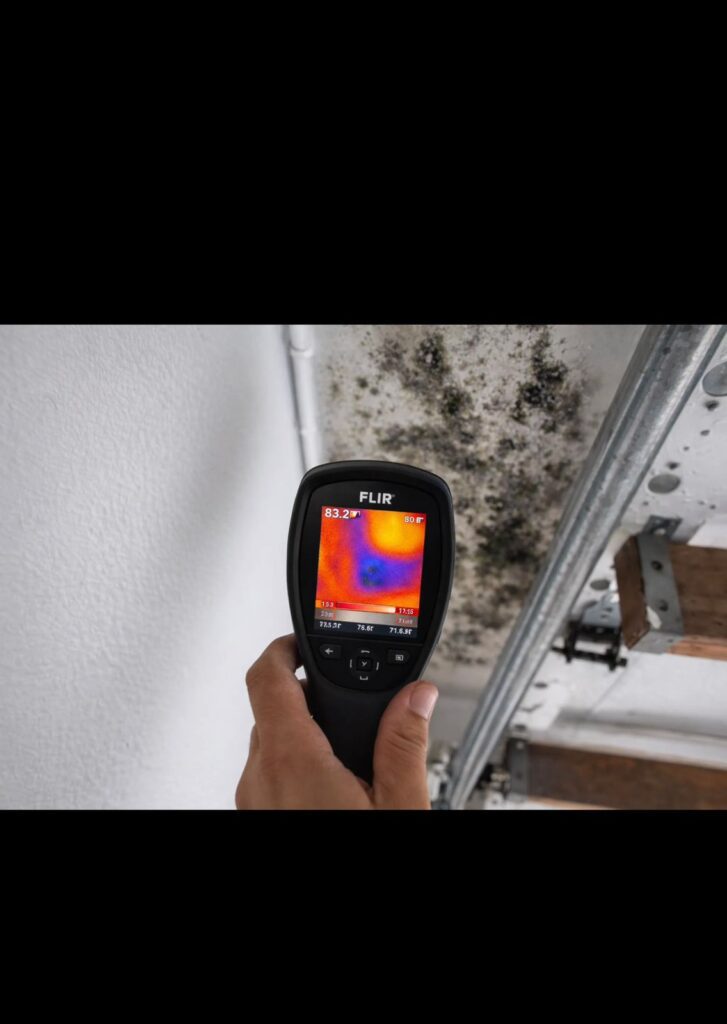
Moisture meters and thermal imaging reveal what eyes miss.
Paint hides dampness well.
Inspection catches problems early — before demolition becomes necessary.
Real Risk #2: HVAC-Related Moisture
Davie homes run AC nearly year-round.
Common inspection findings include:
- Drain line blockages
- Condensation around vents
- Leaky air handler cabinets
- Duct insulation breakdown
If mold grows inside ductwork, spores circulate through the home.
You can’t inspect properly without checking the HVAC system.
Airflow spreads what moisture creates.
Why Davie Homes Face Unique Patterns
Davie properties often feature:
- Larger lots with irrigation systems
- Ranch-style layouts
- Long attic duct runs
- Older plumbing in some neighborhoods
Nearby cities like Plantation and Southwest Ranches share humidity challenges, but Davie’s lot sizes sometimes increase irrigation-related moisture risks.
Exterior drainage matters more than people realize.
Indoor humidity above 60% significantly increases mold risk.
Myth: Mold Testing Replaces Inspection
Mold testing measures airborne spores.
It does not:
- Identify moisture sources
- Locate hidden damp areas
- Confirm structural drying
- Fix anything
Inspection identifies the cause.
Testing confirms air quality impact.
Using testing without inspection often leads to confusion.
Context matters.
What a Real Mold Inspection Includes
Professional inspection involves:
- Moisture meter readings
- Thermal imaging scans
- Humidity measurements
- HVAC evaluation
- Attic inspection
- Air sampling when appropriate
We look for conditions that allow mold growth — not just visible stains.
Early detection reduces scope.
The Financial Reality
Early inspection often prevents:
- Multi-room remediation
- Duct cleaning
- Structural wood replacement
- Extended containment setups
Small moisture problems cost less to correct than widespread contamination.
Every time.
Ignoring subtle signs expands the repair area.
When You Should Schedule Inspection
Call for inspection if:
- Musty odors persist
- Water stains reappear
- Paint bubbles repeatedly
- Indoor allergy symptoms worsen
- You experienced recent leaks or flooding
- You plan to sell your home
Documentation protects property value and prevents surprises during real estate transactions.
Prevention costs less than reaction.
Practical Prevention Advice for Davie Homes
To reduce mold risk:
- Keep indoor humidity between 45–55%
- Service HVAC systems annually
- Clean condensate drain lines
- Inspect roofs after storms
- Monitor irrigation near exterior walls
- Fix plumbing leaks immediately
Maintenance beats remediation.
Always.
Final Thoughts: Facts Protect Better Than Fear
Mold inspection in Davie doesn’t require dramatic language.
It requires moisture awareness and professional evaluation.
Homes here face predictable humidity and water exposure challenges. When you inspect early and manage moisture properly, mold remains manageable.
The real risk isn’t scary headlines.
The real risk is ignoring small moisture issues until they grow.
Inspect calmly. Correct thoroughly. Maintain consistently.
That’s how you protect your home — without the theatrics.
