
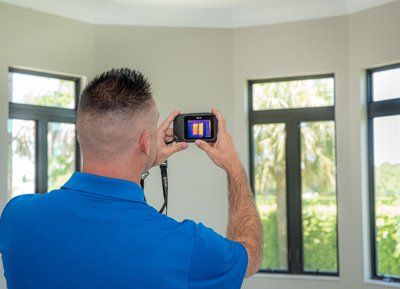
Real Risks, Not Fear Tactics: Mold Inspection Insights for Homes in North Lauderdale
Mold inspections don’t need dramatic language to matter. In North Lauderdale, the real risks show up quietly—musty air, lingering allergies, and moisture that never quite dries. We inspect homes that look perfectly fine on the surface and still uncover conditions that explain months of frustration for homeowners. No panic, no scare tactics. Just facts from what we actually see inside homes.
This article shares real mold inspection insights for homes in North Lauderdale, based on hands-on inspections across South Florida. If you want clear answers instead of hype, you’re in the right place.
Why Mold Inspections Matter in North Lauderdale Homes
Living in North Lauderdale means heat, humidity, and steady AC use most of the year. Those conditions don’t guarantee mold, but they do increase risk when moisture sticks around longer than it should.
We often find mold-related issues tied to:
- Elevated indoor humidity
- AC condensation that never fully dries
- Slow plumbing leaks inside walls
- Poor ventilation in bathrooms and kitchens
Ever wonder why a home feels “off” even when it looks clean? Mold inspections usually connect those dots fast.
What a Mold Inspection Actually Looks For
A real mold inspection doesn’t revolve around pointing at stains and guessing. We focus on conditions that allow mold to grow, even when nothing looks obvious.
During inspections, we evaluate:
- Moisture levels inside walls and ceilings
- Indoor humidity
- HVAC systems and ductwork
- Areas with past or hidden water exposure
Visual mold tells only part of the story. Conditions tell the rest.
The Biggest Myth: No Visible Mold Means No Problem
This assumption causes more delays than anything else. Most mold we find never sits out in the open. It grows where airflow stays low and moisture stays high.
We frequently discover hidden mold:
- Behind drywall near plumbing lines
- Under kitchen and bathroom cabinets
- Inside HVAC air handlers
- Within duct insulation
By the time mold becomes visible, it usually spread well beyond that spot.
Moisture: The Real Focus of Every Inspection
Mold inspections always come back to moisture. Mold spores already exist in every home. Moisture determines whether they stay inactive or start growing.
Common moisture sources we identify include:
- AC drain line issues
- Condensation on evaporator coils
- Minor roof or window seepage
- Elevated indoor humidity without leaks
If moisture stays active, mold growth stays possible.
Why HVAC Systems Matter So Much During Inspections
HVAC systems play a major role in both mold growth and mold spread. In North Lauderdale homes, systems run frequently and rarely get long dry cycles.
Inspection findings often include:
- Mold on evaporator coils
- Damp insulation inside ducts
- Moisture near drain pans
- Spores circulating through vents
HVAC systems don’t create mold, but they distribute it extremely well.
When Mold Testing Adds Value
Not every inspection requires mold testing, and we’re upfront about that. Testing becomes useful when mold likely exists but stays hidden or when symptoms don’t match visible conditions.
Testing helps when:
- Odors persist without visible mold
- Allergy symptoms worsen indoors
- Mold returns after cleaning
- Documentation matters for real estate or insurance
Testing provides data, not guesses.
Mold Inspection vs. Mold Removal: Why Order Matters
Many homeowners want removal before inspection. That usually backfires. Mold inspection identifies where mold exists and why it exists. Removal comes later.
Here’s the correct sequence:
- Inspection identifies sources and conditions
- Testing confirms scope when needed
- Removal addresses contaminated materials
- Remediation fixes moisture problems
Skipping inspection often leads to repeat mold issues.
Why DIY Checks Miss Important Problems
Homeowners often check obvious spots and feel confident everything looks fine. Unfortunately, mold doesn’t grow where it’s convenient.
DIY checks miss issues because:
- Moisture hides inside walls
- HVAC systems remain unopened
- Condensation stays invisible
- Humidity feels normal but runs high
Professional inspections rely on measurement, not assumptions.
Real Inspection Insight: The “Clean” Condo
One North Lauderdale condo looked spotless. No odors, no stains, no complaints beyond mild allergies. Inspection revealed elevated humidity, damp insulation inside ducts, and mold growth on the air handler coil.
The homeowner cleaned constantly. The HVAC system quietly circulated spores daily. Once addressed, symptoms improved noticeably.
How Mold Inspections Protect Indoor Air Quality
Mold inspections don’t just identify growth. They protect indoor air quality by finding what contaminates the air before it becomes obvious.
Inspection findings often explain:
- Chronic sneezing indoors
- Headaches at home
- Fatigue without explanation
- Musty air that comes and goes
Air quality improves once moisture and mold get addressed together.
Why North Lauderdale Homes Face Ongoing Risk
Homes throughout Broward County face mold pressure, but North Lauderdale adds older construction, aging plumbing, and constant AC use. Those factors increase moisture retention.
We regularly encounter:
- Elevated indoor humidity
- Limited ventilation
- Older duct insulation
- Systems that never fully dry
These conditions don’t guarantee mold, but they raise risk significantly.
Mold Removal vs. Mold Remediation After Inspection
Homeowners often confuse mold removal with mold remediation. Inspection clarifies which one actually solves the problem.
The difference matters:
- Mold removal eliminates existing contamination
- Mold remediation corrects moisture and airflow
Removing mold without remediation leads to repeat inspections for the same issue.
Health Concerns That Trigger Inspections
Many inspections start because of health concerns, not visible mold. Homeowners notice symptoms and look for answers.
Common complaints include:
- Congestion indoors
- Eye or throat irritation
- Asthma flare-ups
- Fatigue that improves outside
When symptoms ease away from home, inspection often reveals the missing piece.
When Inspections Save Money Long-Term
Inspections cost far less than remediation after mold spreads. Early detection limits damage, reduces removal scope, and prevents structural repairs.
Inspections help homeowners:
- Avoid widespread material removal
- Reduce HVAC contamination
- Prevent recurring mold growth
- Protect property value
Waiting almost always increases total cost.
How Often Homes Should Be Inspected
Mold inspections aren’t one-time events. In high-humidity areas, regular checks make sense.
We recommend inspections:
- Annually
- After water leaks
- When musty odors appear
- Before buying or selling a home
Early insight keeps problems manageable.
Preventing Mold After an Inspection
Inspections identify risk. Prevention keeps mold from returning. Homeowners play a big role here.
Effective prevention includes:
- Maintaining HVAC systems
- Managing indoor humidity
- Fixing leaks quickly
- Using ventilation consistently
Small changes reduce long-term risk significantly.
Final Thoughts: Mold Inspections Are About Clarity, Not Fear
Mold inspections don’t need scare tactics to matter. The real risks in North Lauderdale homes come from moisture that stays hidden and systems that quietly circulate contaminants. Inspections bring clarity to situations that feel confusing or frustrating.
The solution stays consistent: thorough mold inspection, targeted mold testing, proper mold removal, and complete mold remediation. Address moisture, and mold loses its advantage.
If something feels off in your North Lauderdale home—air quality, odors, or comfort—trust that instinct. Mold problems rarely announce themselves loudly, but inspections reveal the truth every time.
