
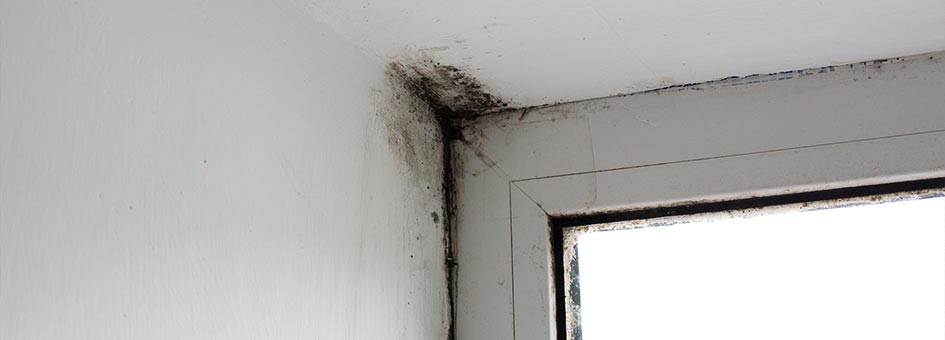
Real Risks, Not Fear Tactics: Mold Inspection Insights for Homes in Oakland Park
Mold inspections tend to get a bad reputation—either they’re seen as scare tactics, or as something only needed when mold is obvious. After real inspections in homes throughout Oakland Park, the truth is much simpler: mold inspections are about risk awareness, not panic.
Here’s what inspections actually show in Oakland Park homes, without exaggeration or worst-case storytelling.
Mold Problems Usually Start Quietly
One consistent inspection finding is how rarely mold starts as a visible problem.
Most issues begin with:
- Small plumbing leaks behind walls
- AC condensation and drainage problems
- Elevated indoor humidity
- Past water damage that never fully dried
These conditions can exist for months with no obvious signs—until mold finally becomes visible.
Why Visual Checks Miss the Real Risk
A clean-looking home doesn’t guarantee a mold-free one.
During inspections, experts often uncover mold:
- Behind drywall and baseboards
- Inside closets on exterior walls
- Around HVAC air handlers and drain pans
- Beneath sinks with slow leaks
The real risk isn’t what you can see—it’s what stays damp and hidden.
Moisture Is the Actual Risk Factor
Mold itself isn’t the first problem. Moisture is.
In Oakland Park homes, inspections regularly show:
- Indoor humidity staying higher than ideal
- Condensation inside walls and ceilings
- AC systems running nonstop without drying properly
- Poor airflow in spare rooms and closets
If moisture remains, mold growth is predictable—not surprising.
When Mold Testing Helps (and When It Doesn’t)
Mold testing can be useful, but only when guided by inspection findings.
Experts recommend testing when:
- There’s a musty odor with no visible mold
- Mold keeps returning after cleaning
- Water damage occurred in the past
- Documentation is needed for real estate or insurance
Testing without inspection context often creates confusion instead of clarity.
Real Risks Homeowners Should Understand
From real inspections, the risks of untreated mold issues include:
- Mold spreading behind walls and ceilings
- Repeat growth after surface cleaning
- Declining indoor air quality
- Increased allergy or asthma symptoms
These risks build slowly, which is why they’re often underestimated.
Why Oakland Park Homes Need a Practical Approach
Local conditions matter more than people realize:
- High humidity most of the year
- AC systems running nearly nonstop
- Condensation inside HVAC systems
- Older homes with limited ventilation
Mold inspections in Oakland Park focus on how these factors work together—not just on visible mold.
What a Proper Mold Inspection Actually Does
A thorough inspection helps homeowners:
- Identify moisture sources early
- Distinguish between active and inactive mold
- Avoid unnecessary remediation
- Address small problems before they become expensive ones
Information early is almost always cheaper than repairs later.
Bottom Line
Mold inspections in Oakland Park homes aren’t about fear—they’re about facts.
The real risk isn’t scheduling an inspection. It’s assuming surface cleaning is enough, ignoring moisture, and letting hidden problems grow quietly. A practical mold inspection replaces guesswork with information—and that’s what protects both the home and the people living in it.
