
Real Risks, Not Fear Tactics: Mold Inspection Insights for Homes in
Mold inspections in Sunrise homes are often misunderstood. Some homeowners fear that an inspection will automatically uncover a major problem, while others assume inspections are only necessary when mold is clearly visible. What real inspections show is far more practical and far less dramatic. Mold inspections are not about creating fear—they are about understanding what is actually happening inside a home.
In South Florida’s humid climate, mold growth is common, but not every situation is an emergency. A proper mold inspection helps identify whether mold is present, where it may be hiding, and what conditions are allowing it to grow. This information allows homeowners to take the right action at the right time, without guesswork or unnecessary stress.
What a Mold Inspection Is Really Meant to Do
A professional mold inspection is designed to evaluate conditions, not to scare homeowners. The goal is to identify mold growth, moisture issues, and risk factors that may lead to future problems.
During inspections in Sunrise homes, the focus is on:
- Detecting visible and hidden mold
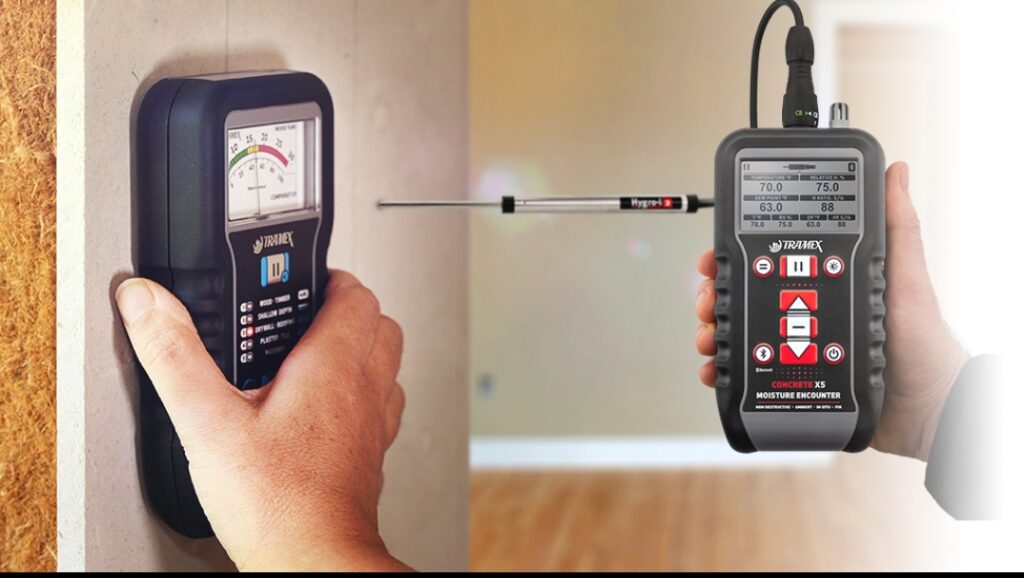
- Identifying moisture sources
- Evaluating indoor air conditions
- Assessing HVAC-related risks
An inspection provides clarity, not assumptions.
Why Mold Is Often Found in Homes That Look Clean
One of the biggest surprises for homeowners is discovering mold in homes that appear clean and well maintained. Mold growth has very little to do with housekeeping and everything to do with moisture.
Real inspections commonly uncover mold in:
- Wall cavities near bathrooms and kitchens
- Behind drywall with no visible staining
- Under sinks with slow leaks
- Around AC air handlers and drain lines
These areas stay damp and hidden, making them ideal environments for mold growth.
Real Risks vs Common Misconceptions
A common misconception is that mold is only a problem when large patches are visible. Inspections show that hidden mold can exist long before visible signs appear and still affect indoor conditions.
Real risks include:
- Ongoing moisture that allows mold to spread
- Mold growth inside HVAC systems
- Reduced indoor air quality over time
What inspections do not support are fear-based claims that every mold issue is immediately dangerous.
Why Moisture Is the Key Factor
Mold cannot grow without moisture. During inspections in Sunrise homes, moisture issues are almost always the root cause.
Common moisture sources include:
- High indoor humidity
- AC condensation problems
- Plumbing leaks inside walls
- Roof or window intrusion
Until moisture is identified and controlled, mold growth is likely to continue.
How HVAC Systems Influence Mold Findings
HVAC systems play a major role in mold inspections. Because they circulate air throughout the home, mold spores from one hidden area can be distributed everywhere.
Inspection findings often include:
- Mold growth near air handlers
- Moisture buildup in drain pans
- Contaminated ductwork
This explains why mold-related issues often feel widespread rather than localized.
Why Mold Is Often Missed Without Inspection
Many homeowners don’t suspect mold because early signs are subtle. Inspections frequently follow complaints such as:
- Persistent musty odors
- Air that feels damp or heavy
- Discomfort indoors without visible mold
These signs are often dismissed as normal humidity, allowing mold to remain undetected.
What a Mold Inspection Does Not Do
It’s important to understand the limits of a mold inspection. An inspection:
- Does not diagnose health conditions
- Does not automatically require remediation
- Does not rely on fear-based conclusions
It is an evaluation tool meant to guide informed decisions.
When Mold Testing May Be Recommended
In some Sunrise homes, mold testing is recommended as part of an inspection—especially when mold is suspected but not visible. Testing helps support inspection findings and evaluate indoor air conditions.
Testing is most useful when:
- Odors persist without a visible source
- Mold keeps returning
- There has been past water damage
Testing adds data, not fear.
Why Early Inspection Saves Money
Real inspection data shows that early evaluation limits damage and cost. When mold and moisture issues are identified early, solutions are usually simpler and less disruptive.
Early inspection helps:
- Prevent mold from spreading
- Reduce remediation scope
- Protect indoor air quality
Waiting often leads to higher costs.
Practical, Not Fear-Based, Next Steps
When inspections identify mold or moisture issues, the next steps are practical and targeted—not extreme. This may involve:
- Correcting moisture problems
- Improving ventilation
- Monitoring affected areas
- Planning remediation only if necessary
This approach avoids overreaction while still protecting the home.
Mold Inspection Services in Sunrise
Homes in Sunrise face constant humidity and moisture challenges that make professional mold inspection an important preventive step. Inspections provide clear information and peace of mind without fear tactics.
We provide:
- Professional mold inspections
- Moisture detection
- Mold testing when appropriate
- HVAC-related evaluations
- Clear, honest recommendations
👉 Contact us today to schedule a professional mold inspection and get clear answers about your Sunrise home.
