
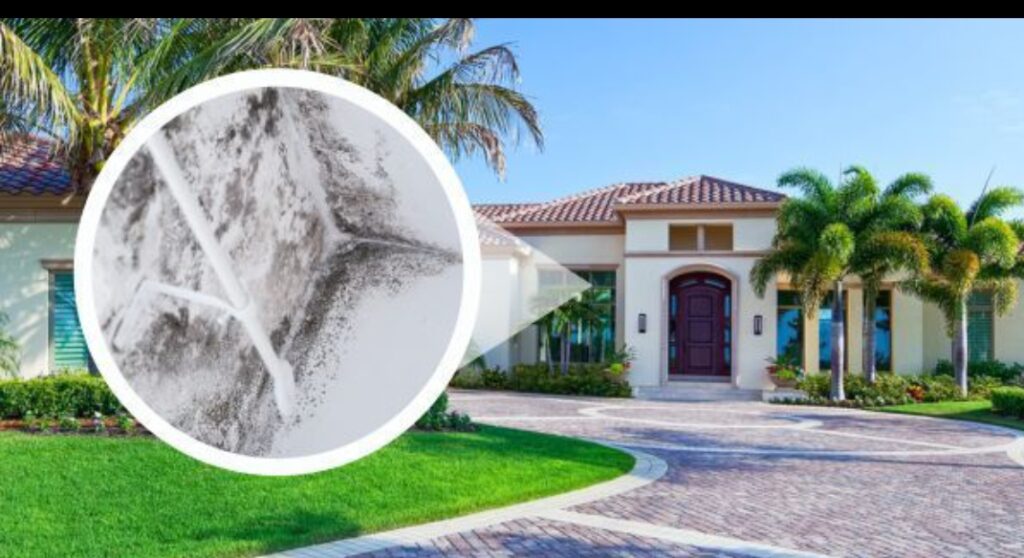
Real Risks, Not Fear Tactics: Mold Remediation Insights for Homes in
Let’s talk mold remediation—without the doom-and-gloom. Homeowners in Lauderhill hear a lot of scary stuff about mold, and honestly, most of it misses the point. Real inspections show that mold remediation is about managing moisture and materials, not panicking or tearing your house apart. When you understand the real risks (and skip the fear tactics), decisions get easier—and cheaper.
We’ve walked through plenty of Lauderhill homes where mold looked intimidating at first glance. Then we traced moisture, checked airflow, and scoped the affected materials. Suddenly, the picture made sense. Mold thrives when conditions let it. Change the conditions, and mold loses its grip.
What Mold Remediation Actually Is (And Isn’t)
Let’s clear this up. Mold remediation isn’t a magic spray, and it isn’t demolition for sport. Remediation removes contaminated materials and fixes the conditions that let mold grow.
It is:
- Identifying moisture sources
- Containing affected areas
- Removing impacted materials when needed
- Controlling humidity and airflow
It’s not:
- Scrubbing stains and hoping
- Spraying chemicals everywhere
- Guessing where mold might be
IMO, remediation works best when it’s precise—not dramatic.
The Real Risks (No Hype Required)
Here’s what inspections actually show in Lauderhill homes. When mold sticks around, it usually means moisture stuck around first.
Real risks include:
- Mold spreading deeper into porous materials
- Repeated regrowth after surface cleaning
- Gradual indoor air quality decline
Notice what’s missing? Instant catastrophe. Mold problems typically build slowly, which is exactly why calm, early action matters.
Why “Just Cleaning It” Doesn’t Count as Remediation
Cleaning removes what you see. Mold grows where you don’t see.
During inspections, we often find active growth:
- Behind drywall
- Under cabinets
- Inside wall cavities
- Near HVAC components
If moisture stays behind the surface, cleaning only resets the clock. Mold waits. Then it comes back. Rude, but predictable.
Containment: The Step People Overlook
Containment sounds intense, but it’s actually practical. Containment keeps mold spores from spreading while work happens.
Done right, containment:
- Limits disruption
- Protects clean areas
- Keeps spores from riding airflow
Skipping containment often spreads mold to new areas. That’s when small jobs turn big. FYI, this step saves money more often than it costs it.
HVAC Systems Matter More Than Most People Think
In Lauderhill, HVAC systems run hard. That means condensation—and sometimes problems.
We frequently see remediation projects expand because:
- Moisture exists inside air handlers
- Duct insulation stays damp
- Spores circulate during cooling cycles
Addressing mold without checking HVAC is like mopping during a leak. You stay busy, but nothing changes.
Humidity: The Quiet Deal-Breaker
Florida humidity deserves respect. High humidity alone can keep mold active—even after cleanup.
Inspection data often shows:
- Indoor humidity above recommended levels
- Condensation on vents
- Damp-feeling air despite cooling
Remediation without humidity control invites repeat growth. Control moisture, and remediation actually sticks.
What Fear Tactics Get Wrong
Some companies push worst-case scenarios to rush decisions. Real remediation doesn’t need that.
What inspections don’t support:
- Every mold issue being an emergency
- Every job needing full demolition
- Panic-driven timelines
Most cases respond well to targeted, methodical work. Calm plans beat scary headlines.
Timing Makes a Huge Difference
Here’s a simple truth from inspections: early remediation stays small.
When homeowners act early, we usually see:
- Limited affected areas
- Less removal
- Lower overall cost
When people wait, mold spreads quietly—and remediation scopes grow. Waiting costs more. Every time.
How Professionals Decide What to Remove
Good remediation avoids overkill. We remove materials only when they’re truly impacted.
Decisions rely on:
- Moisture readings
- Material condition
- Location and spread
- HVAC involvement
This targeted approach protects what doesn’t need removal and fixes what does.
Post-Remediation Steps Matter (A Lot)
Finishing remediation doesn’t end with removal. Verification matters.
Successful projects include:
- Confirming materials are dry
- Stabilizing indoor humidity
- Ensuring airflow supports drying
Skipping verification invites déjà vu. Nobody wants that.
What Homeowners Can Expect (Realistically)
In Lauderhill homes, well-planned remediation usually means:
- Clear scope
- Controlled work areas
- Minimal disruption
- Long-term results
No drama. No mystery. Just solutions that match the problem.
Final Thoughts
Mold remediation works when it focuses on real risks, not fear. Moisture causes mold. Fix moisture, remove what’s affected, and verify conditions—done.
Homes in face humidity year-round, so smart remediation beats panic every time.
If you want mold gone for good, choose facts over fear—and fix the conditions that let it grow.
