
Real Risks, Not Fear Tactics: Mold Remediation Insights for Homes in Lauderhill
Let’s skip the horror-movie language for a minute.
Mold remediation doesn’t need scare tactics. It needs facts.
Homeowners in Lauderhill deal with humidity, storm runoff, aging plumbing, and AC systems that never get a break. That environment creates real mold risks — not dramatic ones, just predictable ones.
Ever notice how some companies jump straight to “toxic black mold” before even inspecting? Yeah… that’s not how this should work.
Let’s talk about what actually matters.
First: What Mold Remediation Really Means
Remediation doesn’t mean panic demolition.
Mold remediation means correcting moisture, containing contamination, removing affected materials, and restoring safe indoor air conditions.
That’s it.
It’s a process — not a scare campaign.
The Real Risk: Ongoing Moisture
Here’s the truth.
Mold becomes a problem when moisture remains active.
In Lauderhill homes, common moisture sources include:
- Roof leaks after heavy rain
- AC condensate drain clogs
- Slab seepage
- Slow plumbing drips
- Poor attic ventilation
If moisture stays trapped for more than 24–48 hours, microbial growth can begin.
The real risk isn’t mold itself — it’s uncontrolled moisture over time.
Health Concerns (Without the Drama)
Let’s keep this balanced.
Mold exposure can trigger:
- Sinus congestion
- Sneezing
- Itchy eyes
- Mild coughing
- Headaches
Sensitive individuals may react more strongly.
But here’s the important part:
Most mold-related symptoms improve when moisture gets corrected and contamination gets removed.
Remediation solves exposure issues. Fear doesn’t.
What Proper Mold Remediation Actually Looks Like
Real remediation follows a structured process.
Step 1: Inspection and Moisture Identification
We locate the source first.
No guessing. No tearing out walls randomly.
Moisture meters and thermal imaging guide decisions.
Step 2: Containment
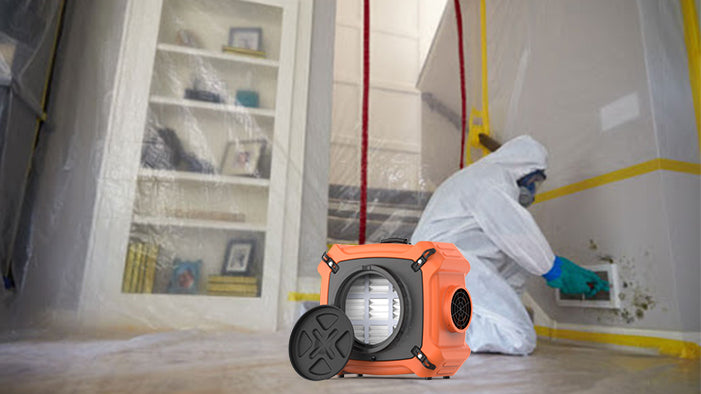
We isolate affected areas using plastic barriers and negative air pressure.
Containment prevents spores from spreading during removal.
Skipping containment turns one problem into multiple rooms.
Step 3: HEPA Filtration
High-efficiency air scrubbers capture airborne spores during the process.
Air quality matters while work happens.
Step 4: Removal of Contaminated Materials
Porous materials like:
- Drywall
- Insulation
- Carpet padding
Often require removal if heavily affected.
Cleaning alone won’t fix deeply embedded growth.
Step 5: Cleaning and Antimicrobial Treatment
Non-porous surfaces receive professional-grade cleaning and treatment.
We don’t rely on household bleach. It doesn’t penetrate porous materials effectively.
Step 6: Correcting the Moisture Source
This step matters most.
If you don’t fix:
- Drain line clogs
- Roof leaks
- Plumbing drips
- HVAC condensation issues
Mold returns.
Always.
Why Lauderhill Homes Face Predictable Risks
Homes in Lauderhill share environmental conditions with nearby cities like Sunrise and Plantation.
Common factors include:
- High humidity
- Tight home construction
- Aging plumbing systems
- Continuous AC operation
Indoor humidity above 60% increases mold growth risk significantly.
Humidity management prevents most remediation jobs.
The Financial Reality (No Scare Tactics)
Early-stage remediation typically involves:
- Small containment area
- Limited drywall removal
- Minor cleaning procedures
Delayed response often requires:
- Multi-room containment
- Duct cleaning
- Structural wood repair
- Extended air filtration
The longer moisture remains active, the more materials become affected.
This isn’t fear. It’s physics.
Common Myths About Mold Remediation
Let’s clear up a few things.
Myth: “Bleach Solves Everything”
Bleach cleans surface staining. It doesn’t remove deep-rooted growth inside drywall or wood.
Myth: “If I Can’t See Mold, It’s Not Serious”
Hidden mold often grows behind walls or inside HVAC systems.
By the time you see visible staining, contamination may already spread.
Myth: “All Mold Is Toxic”
Certain species cause stronger reactions, but most residential mold problems relate to moisture control and air quality — not horror stories.
The solution remains the same: control moisture and remove affected materials properly.
Prevention Advice That Actually Works
If you want to avoid remediation in Lauderhill:
- Keep indoor humidity between 45–55%
- Service HVAC systems annually
- Clean condensate drain lines
- Inspect roofs after storms
- Fix plumbing leaks immediately
- Schedule professional inspection when musty odors appear
Preventive maintenance costs far less than corrective remediation.
Every time.
When You Should Call Professionals
Call for inspection if:
- Musty odors persist
- Paint bubbles repeatedly
- Water stains reappear
- Indoor allergy symptoms worsen
- You experienced flooding
- HVAC smells musty when running
Documentation protects property value, especially in competitive real estate markets.
Buyers ask questions. Inspectors measure moisture levels carefully.
Final Thoughts: Facts Beat Fear
Mold remediation doesn’t require dramatic headlines.
Homes in Lauderhill face predictable humidity and moisture challenges. When moisture stays controlled, mold stays controlled.
The real risk isn’t mold monsters hiding in walls.
The real risk is ignoring small moisture problems until they grow.
Inspect early. Correct moisture. Remediate properly when needed.
Because smart action beats scare tactics — every single time.
