
Real Risks, Not Fear Tactics: Mold Removal Insights for Homes in Davie
Mold removal often gets presented in extremes. Some people treat mold like it’s harmless and purely cosmetic. Others describe it like an immediate health emergency that requires panic-level decisions. Homes in Davie deserve something more grounded. The real risks of mold sit between those extremes, and understanding them makes mold removal far more effective and far less stressful.
From real inspections in Davie homes, one truth shows up repeatedly. Mold problems don’t come from fear-worthy disasters. They come from moisture that sticks around, airflow that spreads spores, and conditions that quietly stay unresolved. This guide explains what mold removal actually involves, what the real risks are, and what inspections consistently reveal when fear tactics get removed from the conversation.
Mold Removal Is About Fixing Conditions, Not Chasing Spots
One of the biggest misunderstandings about mold removal involves focus. Mold removal isn’t about wiping walls until they look clean. It’s about changing the conditions that allow mold to exist.
Effective mold removal addresses:
- Active mold growth
- Moisture sources feeding that growth
- Conditions that allow spores to spread
- Factors that cause mold to return
When conditions stay the same, mold always comes back, no matter how aggressive surface cleaning appears.
The Real Risk Comes From Long-Term Exposure
Fear-based messaging often makes mold sound immediately dangerous in all situations. Real inspection data paints a more accurate picture.
The real risks develop when:
- Mold grows undisturbed for long periods
- Exposure continues through indoor air
- Moisture problems remain unresolved
- Mold spreads beyond a small, isolated area
Mold rarely creates instant emergencies. It creates long-term problems when ignored.
Why Davie Homes Experience Ongoing Mold Issues
Davie homes sit in an environment that naturally supports mold growth. High humidity, warm temperatures, and frequent air conditioning create constant moisture challenges.
Inspections in Davie homes commonly reveal:
- Elevated indoor humidity levels
- Condensation inside walls and ceilings
- AC systems running almost nonstop
- Moisture buildup inside HVAC systems
These conditions allow mold to grow quietly when moisture control slips even slightly.
Visible Mold Is Rarely the Full Story
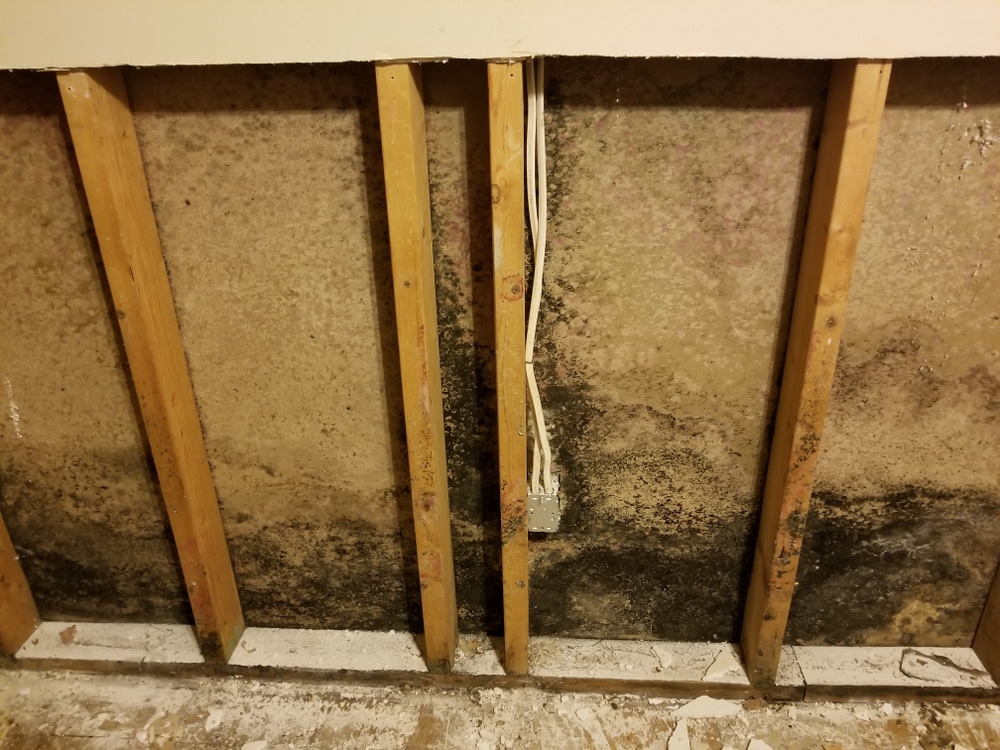
One of the most important insights from real inspections involves scale. What homeowners see is usually only a small portion of the problem.
Inspections often uncover mold:
- Behind drywall and ceilings
- Inside insulation
- Beneath flooring materials
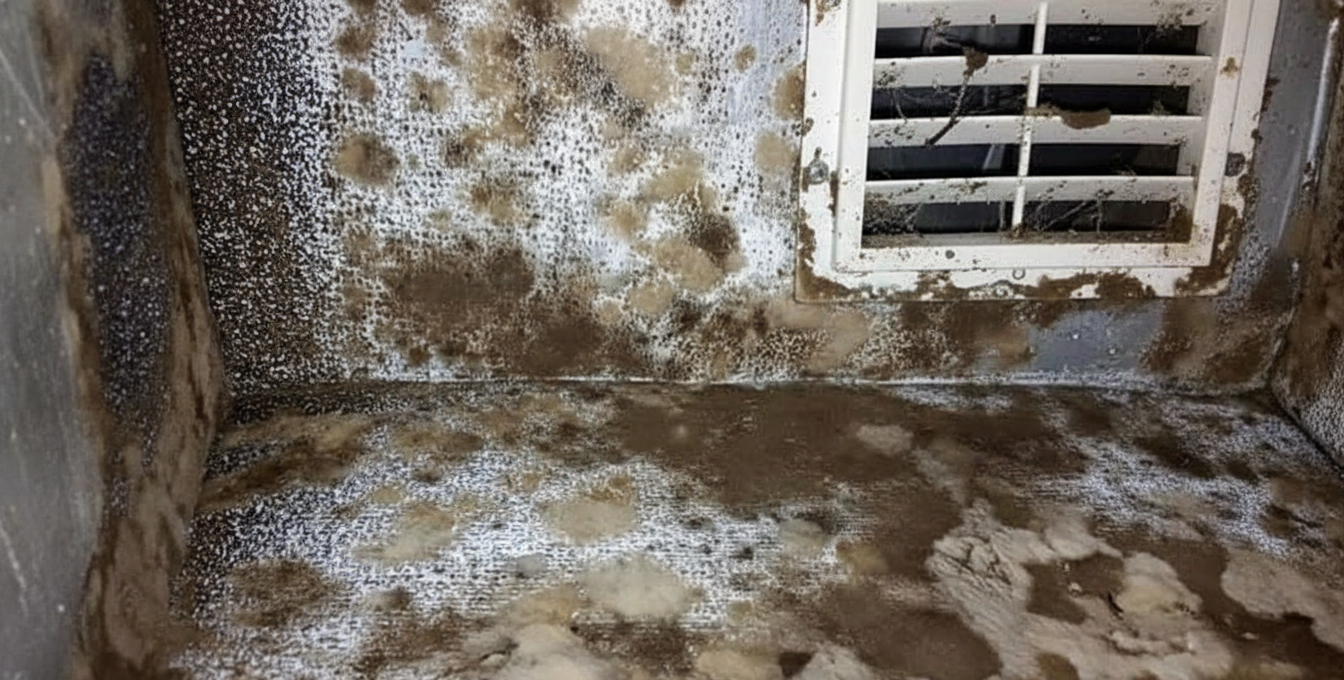
- Inside HVAC ductwork and air handlers
Removing visible mold improves appearance, but it doesn’t reduce exposure if hidden growth remains active.
Why Mold Removal Doesn’t Always Need Panic—but Always Needs Action
Fear tactics push urgency without context. Real mold removal decisions depend on conditions, not fear.
Mold removal becomes important when:
- Moisture remains present
- Mold affects indoor air quality
- Growth continues spreading
- Health symptoms appear indoors
The danger comes from delay, not from calm, informed decisions.
HVAC Systems Play a Central Role in Mold Spread
Mold Removal Often Starts With Airflow
In many Davie homes, HVAC systems contribute directly to mold problems. Once mold enters ductwork or air handlers, spores circulate continuously.
Real inspections frequently find:
- Mold inside return and supply ducts
- Growth near evaporator coils
- Spores distributed throughout the home
Ignoring the HVAC system allows exposure to continue even after surface mold removal.
DIY Mold Removal Often Creates False Confidence
DIY mold removal usually focuses on what’s visible and accessible. That approach creates a temporary sense of resolution.
DIY efforts typically:
- Remove surface mold only
- Push moisture deeper into porous materials
- Leave hidden mold untouched
- Ignore HVAC contamination
When mold returns weeks later, the cause usually never changed.
Moisture Control Is the First Step in Real Mold Removal
Professional mold removal always starts with moisture. Without moisture correction, removal never lasts.
Real mold removal addresses:
- Active leaks
- Condensation problems
- High indoor humidity
- Poor airflow
Moisture feeds mold. Remove moisture, and mold loses its ability to survive.
Health Risks Depend on Duration, Not Fear Headlines
Mold-related health effects vary widely. Real inspections help separate concern from exaggeration.
More common health issues include:
- Respiratory irritation
- Allergy symptoms
- Sinus congestion
- Headaches or fatigue
These symptoms usually develop from ongoing exposure, not brief contact.
Mold Doesn’t Always Look or Smell Obvious
Fear-based content often suggests mold announces itself clearly. Real inspections prove otherwise.
Mold often:
- Grows silently behind walls
- Spreads through HVAC airflow
- Releases spores without strong odors
By the time mold becomes obvious, it has often existed for a long time.
Improper Removal Can Spread Mold Further
Removing mold without proper containment often makes the situation worse.
Inspections after improper removal often reveal:
- Spores spread into unaffected rooms
- New growth appearing elsewhere
- Increased airborne contamination
Proper containment during removal prevents mold from spreading during cleanup.
Why Small Mold Problems Turn Into Big Ones
Mold doesn’t need dramatic events to grow. It needs time and moisture.
Small problems escalate when:
- Condensation gets ignored
- Humidity stays elevated
- Minor leaks remain unfixed
Left alone, mold grows steadily and spreads quietly.
Mold Removal Must Include Prevention to Work
Removing mold without preventing recurrence wastes time and money.
Effective mold removal always includes:
- Moisture correction
- Evaluation of affected materials
- HVAC system assessment
- Long-term prevention planning
When prevention happens, mold removal lasts.
Lessons From Real Mold Removal Inspections in Davie
From real inspections, one lesson stands out clearly. Mold removal works when it focuses on facts, not fear.
Homes with successful outcomes consistently show:
- Moisture sources identified early
- HVAC systems addressed properly
- Conditions corrected before regrowth
Homes relying on fear-based fixes often see mold return.
What Homeowners Should Actually Pay Attention To
The real concern isn’t mold itself. It’s the conditions that allow mold to exist.
Homeowners should watch for:
- Persistent indoor humidity
- Ongoing condensation
- Recurring stains or odors
- Changes in indoor air quality
These signs matter far more than alarming headlines.
Final Thoughts: Calm Decisions Lead to Better Results
Mold removal doesn’t require panic. It requires understanding. In Davie homes, real inspections show that mold problems follow clear patterns tied to moisture, airflow, and time.
When homeowners focus on real risks instead of fear tactics, mold removal becomes effective instead of reactive.
The most important takeaway is simple, practical, and proven:
Mold removal works best when decisions are based on facts, not fear.
