
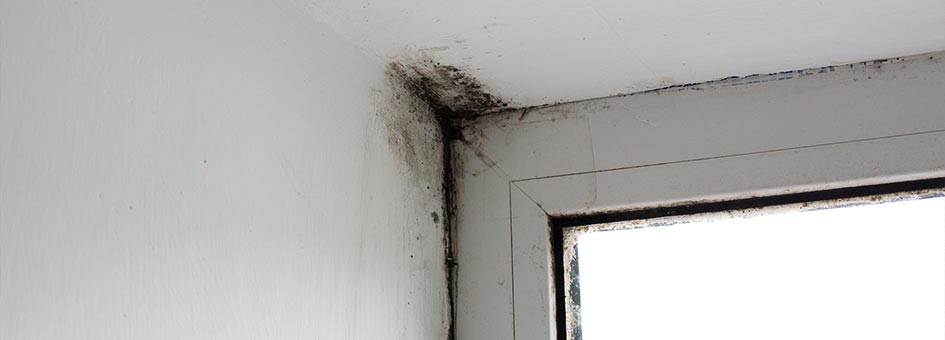
Real Risks, Not Fear Tactics: Mold Removal Insights for Homes in Oakland Park
Let’s clear the air first—mold removal doesn’t need scary language to be taken seriously. In Oakland Park homes, the real risks aren’t about horror stories or worst-case scenarios. They’re about quiet moisture, delayed action, and misunderstandings about what mold removal actually does.
This guide sticks to reality. No panic. No pressure. Just practical insights pulled from real mold removal jobs and inspections in Oakland Park—what actually matters, what doesn’t, and how homeowners avoid paying more than they should.
The Real Risk Isn’t Mold — It’s Delay
Mold itself isn’t rare in South Florida. What turns it into a costly problem is how long it’s allowed to grow.
From real Oakland Park cases, delays usually lead to:
- Mold spreading beyond the original area
- Additional rooms becoming affected
- HVAC systems getting involved
- Material removal instead of simple treatment
Ever notice how small home issues are cheap—until time gets involved? Mold works the same way.
What Mold Removal Actually Means (No Hype)
Mold removal is about eliminating active mold growth—not magically preventing mold forever.
Proper mold removal focuses on:
- Removing visible mold
- Safely cleaning affected materials
- Preventing spread during cleanup
What it doesn’t do by itself:
- Fix moisture sources
- Guarantee mold never returns
- Replace damaged materials automatically
That’s not a flaw—it’s just the scope. Confusing removal with remediation is where homeowners get frustrated.
Why Oakland Park Homes See Mold Removal So Often
Oakland Park homes deal with a familiar Florida combo:
- High humidity year-round
- Older plumbing in some neighborhoods
- Heavy AC use
- Homes staying closed up most of the year
From real inspections, mold removal cases usually trace back to small moisture issues, not disasters.
Common sources include:
- Slow plumbing leaks
- AC condensation buildup
- Roof leaks that “stopped”
- Poor bathroom ventilation
Mold doesn’t need chaos. It needs time and moisture.
The Most Common Mold Removal Mistake
Cleaning mold without fixing moisture. This is the repeat-customer generator.
What typically happens:
- Mold gets cleaned or wiped away
- The area looks better
- Moisture stays behind walls or materials
- Mold returns weeks or months later
If mold keeps coming back, it’s not stubborn—it’s being fed.
Mold Removal vs. Mold Remediation (Why This Matters)
This distinction saves Oakland Park homeowners money.
Mold Removal
- Targets visible mold
- Short-term solution
- Lower upfront cost
Mold Remediation
- Removes mold and fixes moisture
- Uses containment and filtration
- Reduces recurrence
- Higher upfront cost, lower long-term risk
IMO, removal works when the problem is small and moisture is corrected. Remediation makes sense when mold spread or moisture issues go deeper.
HVAC Systems: The Quiet Cost Multiplier
When mold reaches the HVAC system, mold removal becomes more complex—and more expensive.
Common HVAC-related findings:
- Mold inside air handlers
- Contaminated ductwork
- Spores circulating throughout the home
- Musty odors tied to AC use
FYI—air filters don’t stop mold growth inside HVAC components. Different problem, different fix.
Health Concerns: Keeping It Honest
No scare tactics here. Mold doesn’t automatically cause serious illness. But it can affect indoor air quality over time.
Common complaints we hear in Oakland Park homes:
- Persistent musty odors
- Congestion or allergies indoors
- Headaches that improve outside
- Fatigue in certain rooms
These don’t diagnose mold—but they often lead homeowners to finally investigate.
When Mold Removal Shouldn’t Wait
You don’t need to panic—but some signs mean action should be timely.
Mold removal shouldn’t be delayed if:
- Mold keeps returning after cleaning
- Odors persist
- Multiple rooms show signs
- HVAC smells musty
- Past water damage occurred
Early action keeps removal targeted. Waiting expands the scope.
What Successful Mold Removal Always Includes
From real Oakland Park outcomes, successful mold removal shares a few traits:
- Proper inspection first
- Clear identification of moisture sources
- Containment during cleanup
- Safe cleaning methods
- Moisture correction afterward
Skip any of these, and repeat mold becomes likely.
How Homeowners Can Reduce Mold Risk After Removal
No extremes—just consistency.
What actually helps long-term:
- Keep indoor humidity below 55%
- Fix leaks immediately, even small ones
- Maintain AC drain lines and coils
- Use bathroom exhaust fans every time
- Don’t ignore musty smells
Small habits prevent big bills.
Final Thoughts: Mold Removal Works Best Without Fear
In Oakland Park homes, mold removal doesn’t need fear tactics to be effective. It needs clear information, timely action, and realistic expectations. Mold problems stay manageable when moisture is addressed and decisions aren’t delayed.
If something feels off in your home—trust that instinct. Addressing mold early keeps removal simple, affordable, and far less disruptive.
