
Real Risks, Not Fear Tactics: Mold Testing Insights for Homes in Miramar
Mold testing in Miramar often gets wrapped in extremes—either it’s dismissed as unnecessary, or it’s sold as an emergency before anyone knows what’s actually happening. Real inspections across South Florida tell a calmer, clearer story: mold testing is a diagnostic tool, not a scare tactic.
Here’s what experts really see in Miramar homes, what the actual risks are, and how testing fits into smart homeownership.
Why Mold Testing Matters in Miramar (Without the Drama)
Miramar homes deal with the same pressures as the rest of South Florida:
- High humidity year-round
- Heavy AC use
- Condensation around vents and HVAC systems
- Small leaks that stay hidden
Mold testing doesn’t assume there’s a problem—it checks whether conditions are normal or trending toward one. In many cases, testing confirms things are fine or catches issues early enough to keep them small.
What Mold Testing Really Tells You
Professional mold testing helps answer three practical questions:
- Are mold levels inside higher than they should be?
- Is mold likely hidden, even if nothing is visible?
- Is moisture creating conditions for future growth?
It does not automatically mean:
- Your home is unsafe
- Mold removal is required
- Major work is inevitable
Most tests are about clarity, not catastrophe.
Real Risks Experts Take Seriously
Based on inspection data, the realistic concerns with mold are:
- Ongoing moisture feeding hidden growth
- Long-term exposure to elevated spores
- Mold spreading into HVAC systems
- Costs increasing when issues are delayed
These risks are about time, not instant danger.
Overstated Claims That Testing Helps Avoid
Fear-based marketing often suggests:
- Any mold equals a toxic environment
- Testing always leads to expensive remediation
- Homes become immediately unsafe
Real inspections don’t support those claims. Testing often rules out serious issues or limits work to targeted areas.
When Mold Testing Makes the Most Sense
In Miramar homes, testing is most useful when:
- Musty odors don’t go away
- Allergy-like symptoms worsen indoors
- A home has had past leaks or water damage
- Buying or selling property
- Mold keeps returning after cleaning
- Condensation is persistent around vents or windows
Testing early usually reduces—not increases—costs.
Types of Mold Testing Homeowners Should Understand
Air Sampling
Compares indoor mold spore levels to outdoor air to identify hidden growth.
Surface Sampling
Confirms whether visible discoloration is mold and helps classify it.
Moisture Detection
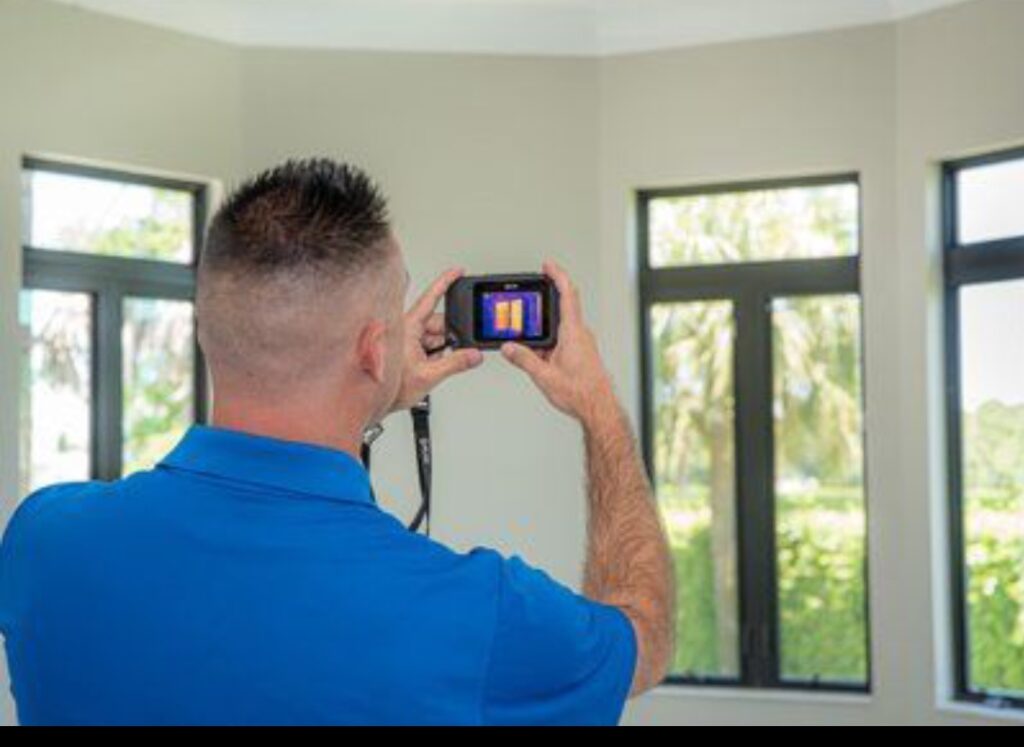
Not mold testing itself, but critical. Moisture meters and thermal imaging show where mold could grow next.
Professionals rely on testing plus moisture data, not one without the other.
Why Testing Doesn’t Replace Inspection Judgment
Raw lab numbers don’t tell the whole story.
Inspectors interpret results by looking at:
- Indoor vs outdoor comparisons
- Moisture readings
- HVAC system condition
- Home layout and history
Context matters more than any single result.
Mold Testing vs Mold Removal: The Key Difference
- Mold testing answers: Is there a problem? How serious is it?
- Mold removal answers: What needs to be done to fix it?
Skipping testing often leads to:
- Guesswork
- Incomplete cleanup
- Mold returning
Testing first helps target solutions accurately.
What Happens After Mold Testing
Depending on results, next steps may include:
- Moisture repairs only
- Improved ventilation or humidity control
- Targeted cleanup
- HVAC inspection or maintenance
- Follow-up testing after remediation
Not every test leads to removal—and many don’t.
Practical Advice for Miramar Homeowners
Experts consistently recommend:
- Don’t ignore persistent musty smells
- Address humidity and condensation early
- Maintain AC systems and drain lines
- Test before buying or selling—not after
- Focus on moisture control, not panic
These steps keep mold manageable and predictable.
Final Takeaway
Mold testing in Miramar homes isn’t about fear—it’s about facts. The real risks come from unidentified moisture and long-term exposure, not from the testing process itself.
When used correctly, mold testing provides clarity, direction, and peace of mind. It helps homeowners act early, spend wisely, and avoid surprises—without drama, pressure, or scare tactics.
