
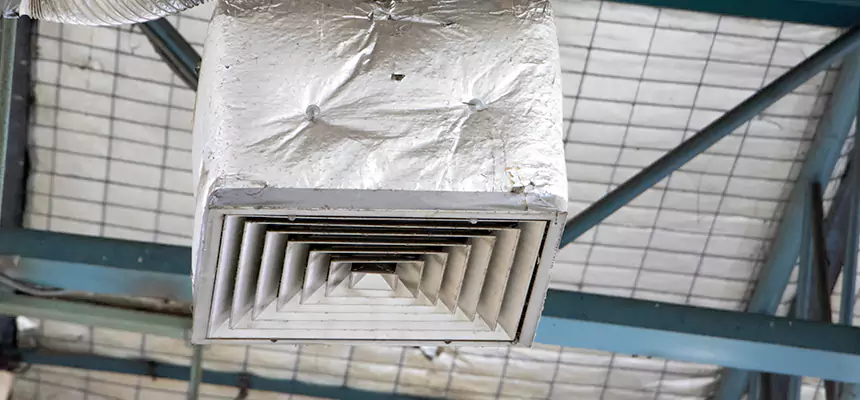
The Science Explained Simply: Air Duct Mold Insights for Homes in Lauderhill
Air duct mold sounds like one of those problems that only shows up in extreme cases. Old homes. Dirty systems. Major water damage. That assumption gets a lot of Lauderhill homeowners into trouble. What we actually see inside homes tells a much simpler—and far more predictable—story.
Start With the Basics: What Mold Actually Needs
Let’s strip this down to fundamentals.
The Three Things Mold Requires
Mold only needs:
- Moisture
- Mild temperatures
- Organic material
Homes already provide warmth and food. Moisture is the deciding factor—and HVAC systems create moisture every time they run.
Why Air Ducts Become Part of the Mold Equation
Air ducts don’t create mold on their own.
How Ducts Get Involved
Air ducts become mold-affected when:
- Mold grows upstream inside the HVAC system
- Moist air moves through ductwork
- Condensation forms on cooler duct surfaces
In Lauderhill homes, ducts usually become participants, not the original source.
The Role of Condensation: The Real Starting Point
Condensation is the first domino.
How Condensation Forms Inside HVAC Systems
When AC runs:
- Warm, humid air passes over cold components
- Moisture condenses out of the air
- Water collects on coils, pans, and metal surfaces
This process works fine when moisture drains and dries quickly. Problems start when it doesn’t.
Why Lauderhill Homes Are More Vulnerable
Climate changes how fast moisture disappears.
Local Conditions That Matter
Homes in Lauderhill deal with:
- High year-round humidity
- Long cooling seasons
- Heavy AC usage
- Slower drying between cycles
That means HVAC systems stay damp longer, creating ideal conditions for mold growth.
Where Mold Usually Starts Before It Reaches the Ducts
This surprises a lot of homeowners.
Common Starting Points Found During Inspections
In Lauderhill homes, inspectors most often find mold:
- On evaporator coils
- Inside drain pans
- On internal HVAC insulation
- Inside air handlers
Once mold grows here, airflow carries spores into ductwork.
How Mold Actually Spreads Through Air Ducts
This part is simple physics.
The Spread Process Explained
- Mold grows on damp HVAC components
- Spores release into moving air
- Airflow carries spores into ducts
- Spores travel throughout the home
- Mold appears in multiple locations
Mold doesn’t crawl through ducts. Air does the work for it.
Why Mold Often Appears at Vents First
This confuses homeowners constantly.
The Science Behind Moldy Vents
Supply vents:
- Sit where cold air meets warm rooms
- Collect condensation
- Catch spores moving through airflow
Mold at vents usually points to a problem upstream—not a dirty vent cover.
Why Air Duct Mold Often Has No Smell
Smell comes late, not early.
The Science of Odorless Mold
Early mold growth:
- Releases spores without strong odor
- Stays thin and hidden
- Affects air quality quietly
By the time a musty smell appears, mold often existed for weeks or months.
Why HVAC Filters Don’t Stop Air Duct Mold
Filters get overcredited.
What Filters Actually Do
Filters:
- Trap particles entering the system
- Improve general air cleanliness
They do not:
- Remove moisture
- Prevent condensation
- Stop mold growth inside HVAC components
A clean filter doesn’t change the environment mold needs to survive.
Internal Duct Insulation: A Hidden Risk
This part matters more than people think.
Why Insulated Ducts Are Vulnerable
Internal duct insulation:
- Absorbs moisture easily
- Dries very slowly
- Can’t be wiped clean
Once mold grows inside insulation, cleaning rarely solves the issue. Inspection determines whether sections need removal or replacement.
Why Air Duct Cleaning Alone Rarely Works
This misunderstanding creates repeat problems.
What Cleaning Can and Can’t Do
Duct cleaning can:
- Remove dust buildup
- Improve airflow
It cannot:
- Fix moisture problems
- Stop condensation
- Prevent regrowth
Without correcting moisture, mold conditions return quickly.
Why Air Duct Mold Often Spreads Without Visible Damage
This delays action.
What Inspections Reveal
Many Lauderhill homes with air duct mold show:
- No visible water damage
- No staining
- No obvious leaks
Moisture hides inside systems and cavities long before surfaces show problems.
How Air Duct Mold Affects Indoor Air Quality
This is where people start noticing symptoms.
Common Complaints Linked to Duct Mold
Homeowners often report:
- Allergy symptoms indoors
- Nasal congestion
- Headaches or fatigue
- Symptoms improving outside the home
These patterns frequently lead inspectors straight to the HVAC system.
Mold Removal vs Mold Remediation for Air Duct Mold
This difference determines success.
Why Mold Removal Falls Short
Mold removal:
- Cleans visible areas
- Leaves moisture active
- Allows regrowth
Why Mold Remediation Works
Proper remediation includes:
- Containment to prevent spore spread
- HEPA air filtration
- Cleaning or replacing contaminated duct sections
- Correcting moisture and condensation
- Preventive treatments
Remediation changes the environment mold depends on.
Why Mold Keeps Coming Back in Some Lauderhill Homes
This pattern is consistent.
The Real Reason Mold Returns
When air duct mold returns, inspections usually show:
- Ongoing humidity issues
- Poor HVAC drainage
- Short cooling cycles
- Moisture never fully corrected
Mold doesn’t return randomly. Conditions stayed favorable.
Attics and Wall Cavities Help Mold Travel
Air ducts aren’t the only pathway.
Other Spread Routes Experts See
Mold spores also move through:
- Wall cavities
- Ceiling voids
- Attic spaces connected to ductwork
This explains why mold sometimes appears far from the HVAC unit.
Early Warning Signs Experts Don’t Ignore
Based on inspections in Lauderhill:
- Condensation on vents
- Mold returning after cleaning
- Musty air when AC starts
- One room always feeling humid
- Health symptoms indoors
Multiple signs usually indicate HVAC involvement.
Practical, Science-Based Advice for Homeowners
You don’t need panic. You need consistency.
What Actually Reduces Air Duct Mold Risk
- Control indoor humidity
- Address condensation immediately
- Maintain HVAC drainage
- Inspect systems early
- Treat moisture, not just mold
These steps align directly with how mold behaves.
When Immediate Action Makes Sense
Act quickly when:
- Mold appears in multiple rooms
- HVAC smells damp when running
- Condensation persists
- Health symptoms worsen indoors
At that stage, spread usually already started.
Final Thoughts: Air Duct Mold Follows Simple Rules
Watch condensation. Control humidity. Inspect early. Fix moisture before it feeds mold. When homeowners understand the science behind air duct mold, the problem stops feeling overwhelming—and starts getting solved correctly, the first time.
