
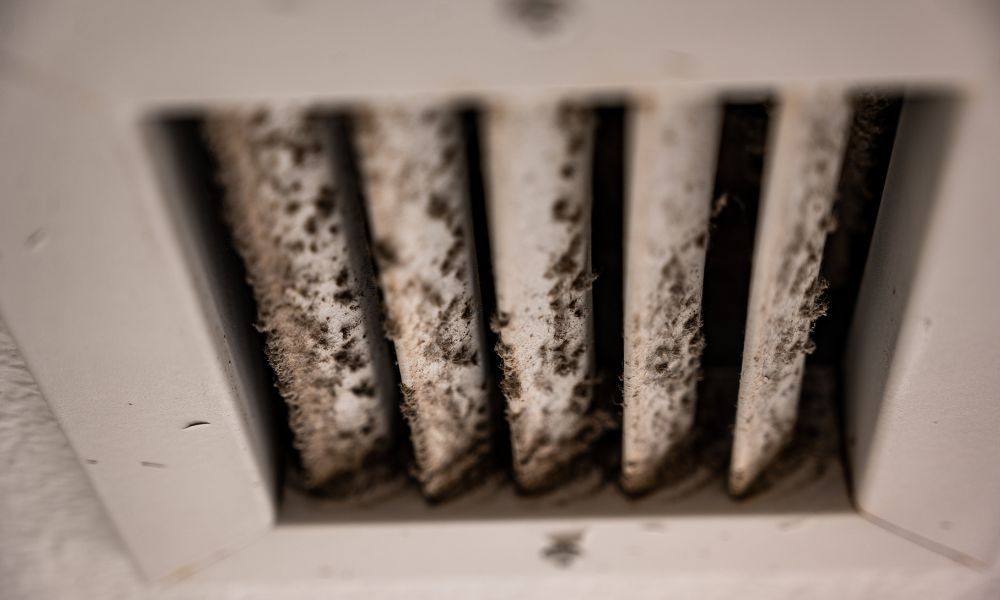
The Science Explained Simply: Air Duct Mold Insights for Homes in North Lauderdale, Florida
If you live in North Lauderdale, your air ducts do more than move cool air—they quietly shape your home’s indoor air quality every single day. When mold develops inside ductwork, it rarely announces itself with dramatic visuals. Instead, it spreads subtly, affecting comfort, health, and sometimes your wallet before homeowners even realize what’s happening.
This guide explains the science of air duct mold in simple, homeowner-friendly terms. No lab coats, no scare tactics—just clear explanations based on what experts actually see inside real North Lauderdale homes.
Why Air Duct Mold Is Common in North Lauderdale Homes
Mold growth in duct systems isn’t random. It follows moisture—and South Florida provides plenty of it.
Key contributors include:
- High outdoor humidity most of the year
- AC systems running long hours
- Condensation forming inside ducts
- Dust and debris collecting in ductwork
- Older duct materials mixed with newer AC units
Air ducts are dark, enclosed, and rarely inspected. When moisture sneaks in, mold can grow quietly for weeks or months before symptoms appear.
The Basic Science of Mold (Explained Simply)
Mold spreads by releasing microscopic spores into the air. These spores are always present, indoors and outdoors. Mold growth begins when spores land on a damp surface and remain wet long enough to grow.
Inside air ducts, the science works like this:
- Warm, humid air enters the system
- Cold duct surfaces cause condensation
- Dust inside ducts provides food
- Moisture lingers in low-airflow areas
Once established, mold continues producing spores that travel through the system every time the AC runs.
Why Air Ducts Are Different From Other Mold Areas
Mold on a wall tends to stay localized. Mold in air ducts does not.
Because ductwork connects the entire home:
- Spores distribute room to room
- Odors become house-wide
- Symptoms feel “everywhere,” not localized
This is why air duct mold often causes persistent indoor air quality complaints, even when visible mold seems minimal or nonexistent.
Common Places Mold Grows Inside Air Duct Systems
Experts inspecting North Lauderdale homes frequently find mold in:
1. Flexible Ducting
Flex ducts trap dust and moisture easily. Once contaminated, they’re often difficult—or impossible—to fully clean.
2. Internally Insulated Ducts
Insulation lining holds moisture, making it a prime mold habitat when condensation forms.
3. Return Air Ducts
Returns pull in dust, humidity, and spores, making them common starting points for growth.
4. Low Points and Sagging Sections
Anywhere water can settle becomes a mold risk.
Early Warning Signs of Air Duct Mold
Most homeowners don’t look inside their ducts—so early signs matter.
Watch for:
- Musty or sour smells when AC turns on
- Odors strongest near vents
- Increased allergy symptoms indoors
- Dust that returns quickly after cleaning
- Condensation around vent covers
If symptoms improve when you leave the house, duct-related mold should be considered.
Why Mold Spreads So Easily Through Ductwork
From a science standpoint, air movement is the problem.
Here’s what happens:
- Mold grows inside one section of duct
- Spores release into moving air
- The blower distributes spores throughout the home
- Spores settle in other damp areas
- New mold colonies begin
This cycle continues until moisture is controlled and contaminated materials are addressed.
Common Myths About Air Duct Mold (and the Science Behind Them)
Myth #1: “Changing Filters Prevents Duct Mold”
Reality: Filters catch particles, not condensation. Mold grows where moisture remains—usually past the filter.
Myth #2: “If I Don’t See Mold, It’s Not There”
Reality: Most duct mold is hidden. By the time it’s visible at vents, it’s often widespread.
Myth #3: “Sprays or Fogging Fix Duct Mold”
Reality: Chemicals don’t remove embedded mold or fix moisture. Growth often returns quickly.
Why DIY Air Duct Mold Cleaning Often Fails
Scrubbing or spraying ducts without containment:
- Releases spores into the air
- Spreads contamination
- Misses hidden growth
From a scientific perspective, disturbing mold without controlling airflow increases spore spread, turning a localized issue into a whole-home problem.
Experts focus on isolation, removal, and moisture control—not surface-level cleaning.
How Professionals Address Air Duct Mold (Step by Step)
1. Inspection and Moisture Assessment
The first goal is identifying why moisture is present.
2. Containment and Air Control
Affected areas are isolated to prevent spore migration.
3. HEPA Filtration
Airborne spores are captured during work.
4. Cleaning or Removal
Some ducts can be cleaned; others—especially flexible or insulated ducts—may require replacement.
5. Moisture Correction
Drainage, airflow, and humidity issues are addressed to stop regrowth.
This process aligns with how mold behaves scientifically, not cosmetically.
How Air Duct Mold Affects Health and Comfort
Because duct systems circulate air continuously, mold exposure can lead to:
- Chronic congestion
- Headaches
- Fatigue
- Worsening asthma or allergies
- Persistent odors
Not everyone reacts the same way, but long-term exposure often reduces overall indoor comfort.
Why Ignoring Air Duct Mold Gets Expensive
Delaying action often leads to:
- Mold spreading deeper into the system
- Contamination of additional ducts
- Declining indoor air quality
- More extensive remediation
- Higher repair or replacement costs
Early intervention usually means less disruption and lower cost.
Science-Based Prevention Tips for North Lauderdale Homes
Effective prevention focuses on:
- Keeping indoor humidity below 60%
- Ensuring AC drain lines stay clear
- Maintaining proper airflow
- Fixing leaks promptly
- Periodic HVAC and duct inspections
Prevention works best when it controls the environment—not when it masks symptoms.
Final Thoughts: Understanding the Science Makes Mold Manageable
Air duct mold in North Lauderdale homes isn’t mysterious or rare—it follows moisture, airflow, and opportunity. When homeowners understand the science behind how mold grows and spreads, decisions become clearer and problems stay manageable.
If something smells off, symptoms linger indoors, or humidity feels out of control, it’s worth paying attention. Mold doesn’t disappear on its own—but when caught early and handled properly, it doesn’t have to take over your home either.
