
The Science Explained Simply: Air Duct Mold Insights for Homes in Tamarac
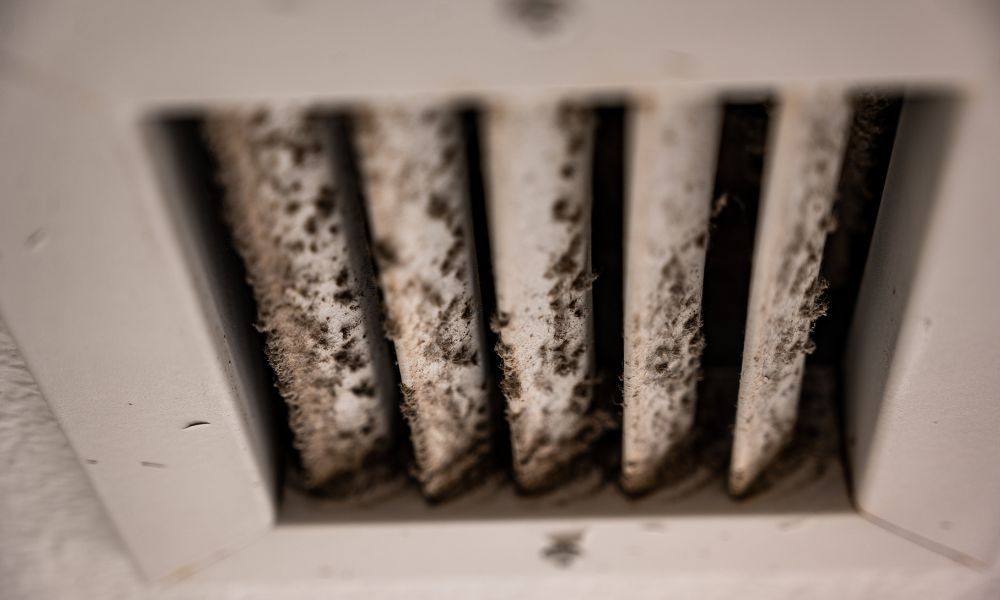
Let’s talk about the part of your house you never see… but breathe from every day.
If you live in Tamarac, your AC probably runs more than your coffee maker. And while your air ducts quietly move cool air around, they can also move something else.
Mold.
Before you panic, let’s slow down. Air duct mold isn’t a horror story. It’s a moisture story. Ever noticed a musty smell when the AC kicks on? That’s usually your first clue.
Let’s break down the science — simply.
First: How Mold Gets Inside Air Ducts
Mold spores already exist in the air. That’s normal.
They only grow when three conditions combine:
- Moisture
- Dust (organic particles)
- Time
Your HVAC system naturally creates moisture through condensation. When warm air hits cold evaporator coils, water forms.
If that water drains properly, no problem.
If it lingers? That’s when growth begins.
Why Tamarac Homes Have Higher Risk
Tamarac deals with:
- High humidity most of the year
- Heavy rainstorms
- Long cooling seasons
- Tightly sealed homes
Indoor humidity above 60% makes condensation worse inside ductwork.
Nearby cities like Lauderhill and Sunrise face similar patterns. Broward County humidity doesn’t discriminate.
When ducts run through hot attics, temperature differences increase condensation.
Moisture collects quietly inside insulation and metal seams.
The 48-Hour Rule Still Applies
Here’s the simple rule:
Mold can begin forming within 24–48 hours if moisture stays present.
If condensate drain lines clog or insulation traps moisture, microbial growth can begin inside the air handler or duct lining.
You won’t see it from your living room.
But you might smell it.
Where Air Duct Mold Usually Grows
Common HVAC mold zones include:
- Evaporator coil surfaces
- Drain pans
- Air handler cabinet insulation
- Flexible duct lining
- Metal duct seams in attics
When mold develops in these areas, airflow distributes spores throughout the house.
That’s why one musty source can affect multiple rooms.
Why Changing Filters Isn’t Enough
Air filters trap particles.
They do not:
- Eliminate condensation
- Clear clogged drain lines
- Fix duct insulation breakdown
- Lower indoor humidity
Filters improve airflow. They don’t solve moisture imbalance.
If moisture remains active inside the system, mold may still grow.
The Science of Airflow and Spore Circulation
Here’s the simplified explanation:
- Mold grows inside duct components.
- The blower motor activates.
- Air moves across contaminated surfaces.
- Spores detach.
- Air distributes spores into living spaces.
That’s how contamination spreads quietly.
Your HVAC system doesn’t know it’s helping mold. It just moves air.
Signs You May Have Air Duct Mold
Watch for:
- Musty smell when AC starts
- Increased indoor allergy symptoms
- Condensation around ceiling vents
- Frequent filter clogging
- Water stains near air handler closets
If symptoms improve when you leave the house, indoor air may play a role.
That pattern matters.
How Professionals Inspect Duct Systems
Proper inspection includes:
- Moisture meter readings
- Visual inspection of air handler
- Checking condensate drain lines
- Evaluating attic duct insulation
- Air sampling when needed
Thermal imaging can reveal moisture pockets inside walls and ceilings connected to duct runs.
Inspection identifies root causes before cleaning begins.
What Proper Air Duct Mold Remediation Involves
Real remediation includes:
- Clearing condensate drain lines
- Addressing humidity imbalance
- Containment setup if contamination spreads
- HEPA air filtration
- Cleaning coils and accessible duct components
- Replacing contaminated insulation if necessary
Spraying deodorizer into vents doesn’t fix internal growth.
Moisture correction always comes first.
Prevention That Actually Works
If you want to reduce air duct mold risk in Tamarac:
- Keep indoor humidity between 45–55%
- Schedule annual HVAC maintenance
- Clean condensate drain lines regularly
- Inspect attic duct insulation
- Address roof leaks quickly
- Monitor for musty odors
Small maintenance habits prevent major remediation bills.
Always.
The Financial Reality
Early HVAC maintenance usually involves:
- Minor cleaning
- Drain line clearing
- Coil inspection
Delayed response may require:
- Duct replacement
- Multi-room remediation
- Extended air filtration
- Higher energy bills
Because your HVAC system runs constantly, small moisture problems spread faster than most homeowners expect.
Final Thoughts: It’s Moisture Physics, Not Mystery
Air duct mold in Tamarac homes isn’t mysterious.
It’s condensation plus humidity plus time.
When you manage moisture, maintain your HVAC system, and monitor humidity levels, you drastically reduce mold risk.
If something smells musty when the AC turns on, don’t ignore it.
Inspect early. Correct moisture. Maintain consistently.
Because your air ducts should deliver comfort — not contamination.
