
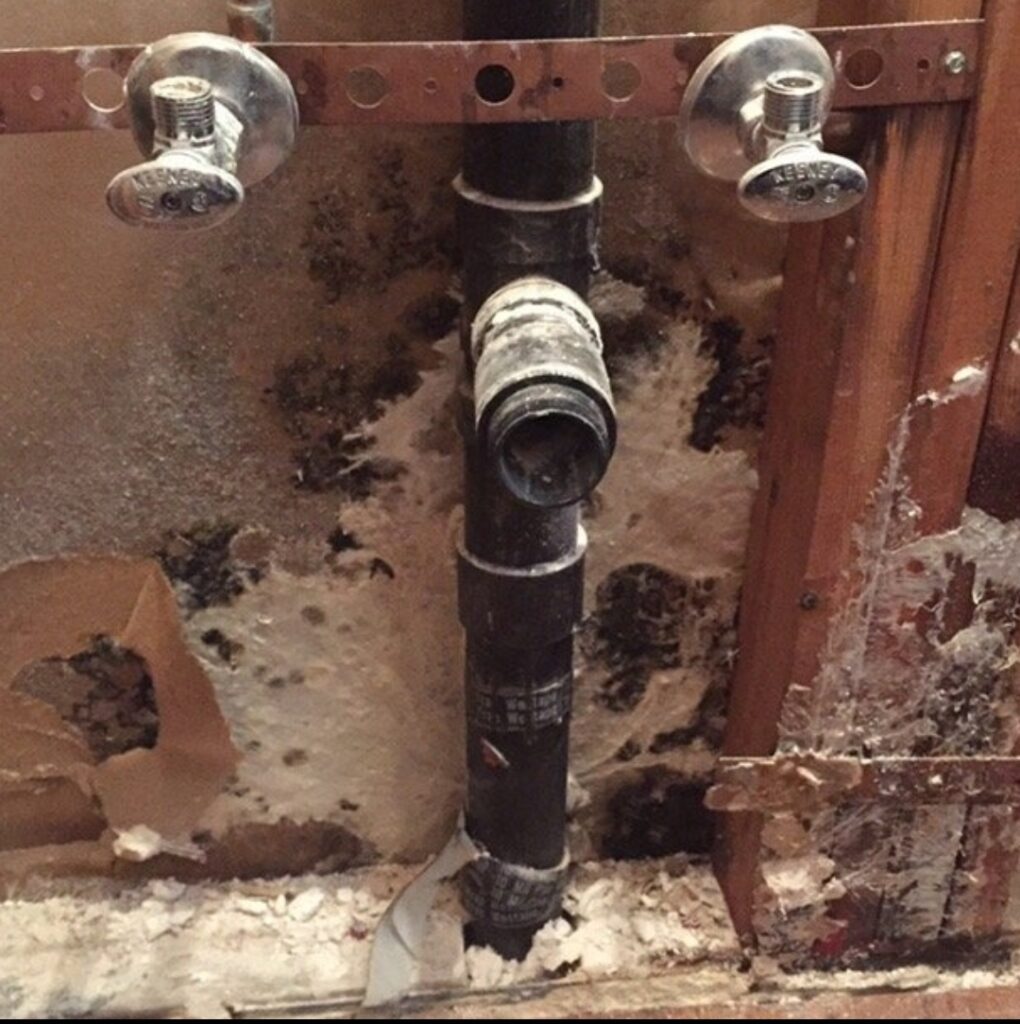
The Science Explained Simply: Hidden Mold Insights for Homes in
Hidden mold is one of the most common discoveries during inspections in Fort Lauderdale homes, and it’s also one of the least understood. Many homeowners assume mold is only a problem when it’s visible on walls or ceilings. The science tells a different story. Mold often grows quietly in hidden areas long before it ever shows up in plain sight.
Fort Lauderdale’s warm, humid climate creates ideal conditions for mold growth, especially in areas where moisture and airflow are limited. Understanding how hidden mold develops—and why it’s so easy to miss—helps homeowners recognize real risks without fear-based assumptions.
Why Mold Grows Out of Sight
Mold spores are always present in indoor air. What allows them to grow is moisture. When moisture gets trapped in areas with little airflow, mold can begin developing without any visible warning signs.
Hidden mold commonly grows because:
- Moisture becomes trapped inside building materials
- Airflow is limited behind walls or cabinets
- Leaks are slow or intermittent
- Humidity remains high
From a scientific standpoint, mold doesn’t need light to grow. It needs moisture, organic material, and time.
Common Places Hidden Mold Develops
Inspections in Fort Lauderdale homes consistently reveal mold growth in areas homeowners rarely check. These locations often stay damp and undisturbed, making them ideal environments for mold.
The most common hidden locations include:
- Behind drywall in bathrooms and kitchens
- Under sinks with slow plumbing leaks
- Inside wall cavities near exterior walls
- Around AC air handlers and drain lines
- Beneath flooring after minor water damage
Because these areas are hidden, mold can grow for months or longer without detection.
How Moisture Moves Through a Home
Moisture does not stay where it starts. It moves through air, materials, and temperature differences. In Fort Lauderdale homes, moisture often migrates toward cooler areas, such as air-conditioned walls or HVAC components.
This explains why:
- Mold appears far from the original leak
- Odors develop in unexpected rooms
- Multiple areas are affected over time
Even small moisture sources can support widespread hidden mold growth when conditions remain favorable.
Why Hidden Mold Often Goes Undetected
Hidden mold is rarely obvious. Early-stage growth may not produce strong odors or visible staining. Homeowners may notice subtle changes but not connect them to mold.
Common overlooked signs include:
- Slight musty smells that come and go
- Air that feels damp or heavy
- Peeling or bubbling paint
- Recurring condensation
These signs are often attributed to normal humidity or aging materials, allowing mold to continue growing.
The Role of HVAC Systems in Hidden Mold
HVAC systems play a major role in both the development and spread of hidden mold. Condensation forms naturally inside air handlers and ductwork. When moisture lingers, mold can develop inside the system.
Once mold is present near HVAC components:
- Spores circulate through the home
- Air quality is affected throughout all rooms
- Mold may spread to new locations
This is why hidden mold problems often feel widespread rather than isolated.
Why Surface Cleaning Doesn’t Address Hidden Mold
Cleaning visible surfaces does not affect mold growing inside walls or other hidden areas. Mold roots grow into porous materials, making surface treatments ineffective.
Surface cleaning fails because:
- Mold remains active inside materials
- Moisture sources are not corrected
- Spores continue circulating in the air
This explains why mold or odors often return after cleaning.
How Hidden Mold Affects Indoor Air Quality
Even when hidden, mold releases spores and fragments into the air. Over time, this can reduce indoor air quality and affect comfort.
Homeowners often describe:
- Persistent musty odors
- Air that feels stale or heavy
- Discomfort that improves when leaving the home
These effects are often gradual, making them easy to overlook at first.
Why Hidden Mold Is Common in Fort Lauderdale Homes
Several factors make Fort Lauderdale homes especially vulnerable to hidden mold:
- High outdoor humidity
- Frequent rain and storms
- Constant air conditioning use
- Tightly sealed construction
These conditions allow moisture to build up inside structures, even when there are no obvious leaks.
The Science Behind Mold Growth in Building Materials
Building materials such as drywall, wood, and insulation are organic or semi-organic. When moisture enters these materials, mold spores can activate and grow beneath the surface.
Scientifically, mold growth depends on:
- Moisture availability
- Temperature
- Material type
- Time
When these conditions align, hidden mold growth is likely.
Why Hidden Mold Often Appears “Suddenly”
Many homeowners feel like mold appears overnight. In reality, hidden mold has often been growing for a long time.
It appears suddenly because:
- Growth was hidden
- Materials finally show damage
- Odors reach noticeable levels
- Moisture spreads to visible areas
By the time mold is seen, the issue is usually well-established.
When Professional Inspection Is Important
Professional inspection is the most reliable way to detect hidden mold. Inspections use moisture detection tools and visual assessment to identify conditions that support mold growth.
Homeowners in Fort Lauderdale should consider inspection if:
- Musty odors persist
- Mold keeps returning
- There has been water damage
- Indoor air feels uncomfortable
Early inspection helps prevent larger problems later.
Addressing Hidden Mold the Right Way
Effective solutions focus on identifying hidden growth and correcting moisture sources. This often involves:
- Locating moisture intrusion
- Removing affected materials when necessary
- Improving ventilation and airflow
- Ensuring proper drying
This approach prevents recurrence rather than providing temporary relief.
Hidden Mold Inspection Services in Fort Lauderdale
Hidden mold is a common issue in Fort Lauderdale homes due to climate and construction conditions. Professional inspection helps identify problems early and provides clear guidance on next steps.
We provide:
- Hidden mold inspections
- Moisture detection
- Mold testing when appropriate
- Indoor air quality evaluations
- Clear, practical recommendations
