
The Science Explained Simply: Mold Inspection Insights for Homes in Plantation
You smell something musty. You spot a faint stain near the baseboard. Your AC runs all day, and your allergies suddenly flare up. Coincidence? Probably not.
I’ve inspected dozens of homes in Plantation, and I can tell you one thing with confidence: mold never appears randomly. It follows moisture, temperature shifts, and airflow patterns. Once you understand the science behind mold inspection, you stop guessing and start solving the real problem.
Why Plantation Homes Create the Perfect Mold Conditions
Plantation sits right in the heart of Broward County humidity. Warm air holds moisture, and your air conditioning constantly fights that moisture. That battle creates condensation inside walls, ducts, and attics.
Here’s what fuels mold growth in Plantation homes:
- High indoor humidity levels
- Roof leaks from heavy rainstorms
- Plumbing leaks behind walls
- AC condensation buildup
- Poor attic ventilation
Mold needs three things: moisture, organic material, and the right temperature. Plantation provides all three almost year-round. Ever wonder why mold pops up so fast after a small leak? The climate accelerates growth within 24–48 hours.
What Mold Really Is (Without the Boring Science Lecture)
Let’s keep this simple.
Mold consists of microscopic spores that float in the air. Every home contains mold spores. You can’t avoid them.
The problem starts when spores land on a damp surface. Once they find moisture, they grow roots called hyphae and spread into porous materials like drywall and wood. That growth forms visible colonies.
So when I perform a mold inspection in Plantation, I don’t just look for black spots. I look for moisture patterns that allow spores to activate.
The Real Goal of a Mold Inspection
We Don’t Chase Mold — We Chase Moisture
A proper mold inspection focuses on moisture detection first. If I eliminate moisture, I eliminate mold growth.
During an inspection, I:
- Scan walls with a moisture meter
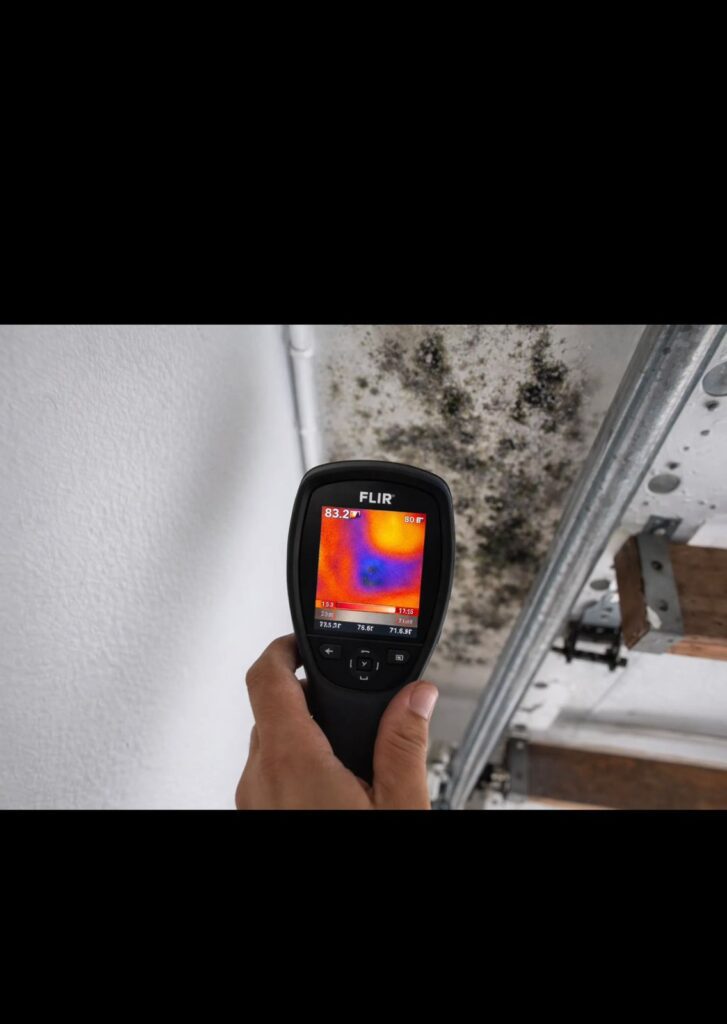
- Use thermal imaging to detect hidden water intrusion
- Check HVAC systems for condensation issues
- Inspect attics for trapped humidity
- Evaluate bathrooms and kitchens for ventilation problems
Visible mold tells a story. Moisture tells the truth.
DIY inspections miss this critical step. A flashlight won’t detect moisture trapped behind drywall. Technology and experience do that.
Hidden Mold: The Part Homeowners Rarely See
You know what surprises homeowners the most? Mold often grows where nobody looks.
I find hidden mold in:
- Behind baseboards after minor flooding
- Inside AC ducts with poor drainage
- Under laminate flooring
- Behind shower walls
- Inside attic insulation
Plantation homes with slab foundations often hide moisture under flooring. Once water seeps into porous materials, it stays trapped. Mold loves that environment.
Ever ask yourself why a room smells musty even after you clean it? That smell often signals hidden microbial growth inside walls.
Airflow and Mold: The Overlooked Factor
Most people focus only on leaks. I focus on airflow too.
Your HVAC system controls temperature and circulation. If ducts leak or airflow stays uneven, moisture builds up in stagnant zones.
During mold inspections in Plantation, I evaluate:
- Duct insulation condition
- Air return placement
- AC drain line function
- Condensation around vents
Poor airflow creates microclimates inside your home. Those pockets trap humidity. Mold colonizes those areas quietly.
IMO, HVAC issues cause more recurring mold problems than roof leaks in Plantation properties.
Why Humidity Levels Matter More Than You Think
Plantation homeowners often ignore indoor humidity. They assume the AC handles everything. It doesn’t.
Indoor humidity should stay below 60%, ideally between 45–55%. When humidity rises above that range, mold growth risk increases dramatically.
I always recommend:
- Using a hygrometer to monitor levels
- Servicing your AC regularly
- Cleaning drain lines
- Running exhaust fans during showers
Humidity control protects your home long before mold inspection becomes necessary.
Mold Testing: When Science Needs Backup
Not every inspection requires mold testing. Sometimes visible growth tells us everything we need to know.
However, I recommend mold testing in Plantation homes when:
- You smell mold but see nothing
- You plan to sell your property
- You need documentation for insurance
- You experience unexplained respiratory symptoms
Air sampling measures spore concentration levels. Surface sampling identifies specific mold types. Lab results confirm contamination severity.
Testing gives data. Data guides remediation decisions.
Common Mold Myths I Hear All the Time
Let’s clear up a few things.
Myth 1: Bleach Kills Mold Completely
Bleach removes surface stains. It does not penetrate porous materials deeply. Mold roots remain embedded.
Myth 2: Small Spots Don’t Matter
Small spots signal a moisture problem. Ignoring them invites larger colonies.
Myth 3: Mold Only Grows in Dirty Homes
Clean homes grow mold too. Mold cares about moisture, not housekeeping habits.
Plantation’s humidity doesn’t discriminate. Mold grows wherever moisture exists.
The Science Behind Mold Spreading
Mold spreads through airborne spores. When disturbed, colonies release more spores into the air.
That’s why proper containment during remediation matters. If someone scrubs mold without isolating the area, spores travel into other rooms.
Professional mold remediation teams:
- Set up containment barriers
- Use negative air machines
- Run HEPA filtration systems
- Remove contaminated materials safely
Without containment, you risk spreading contamination further.
Why Early Mold Inspection Saves Money
I’ve seen homeowners delay inspections because they hope the issue “dries out.” That rarely happens in Plantation’s climate.
Early inspection helps you:
- Identify moisture sources quickly
- Prevent structural damage
- Avoid large-scale remediation
- Protect indoor air quality
- Maintain property value
Small moisture issues turn into expensive repairs fast.
Would you rather fix a small leak now or replace drywall and flooring later? The answer always feels obvious once you understand the science.
How Plantation’s Climate Changes the Mold Equation
Plantation experiences heavy rainfall and year-round humidity. Even minor roof damage can introduce steady moisture over time.
Older homes often lack modern vapor barriers. That gap allows moisture to migrate through walls and slabs.
Newer homes sometimes trap humidity due to tighter construction. Builders seal homes efficiently, but without proper ventilation, moisture stays inside.
Every property requires a tailored inspection strategy. One-size-fits-all doesn’t work here.
What I Tell Every Plantation Homeowner
I always share the same advice:
- Fix leaks immediately
- Monitor humidity levels
- Service your HVAC system annually
- Address musty odors quickly
- Schedule a professional mold inspection if you suspect growth
Prevention beats remediation every time.
Mold inspection doesn’t just confirm contamination. It gives you control over your indoor environment.
Final Thoughts: Science Gives You the Advantage
When you understand how mold forms, spreads, and survives, you stop reacting emotionally. You respond logically.
Plantation homes face constant humidity pressure. Mold inspection focuses on moisture detection, airflow evaluation, and environmental control. Once you eliminate the source, you stop the cycle.
If you notice musty smells, water stains, or rising humidity levels, don’t wait. Schedule a professional mold inspection in Plantation and take control early.
Because once you understand the science, mold stops feeling mysterious. And when mold stops feeling mysterious, it stops winning.
