
Mold inspections sound complicated until you see how simple the science really is. In Sunrise, most homeowners assume mold inspections look for scary black spots or dramatic damage. What we actually look for is far less dramatic—and far more important. Moisture, airflow, and time tell the whole story long before mold becomes obvious.
This article explains mold inspection insights for homes in Sunrise, with the science broken down simply and clearly. No fear tactics. No technical overload. Just how inspections actually work, what they measure, and why early data saves homeowners serious money.
Why Mold Inspections Matter More Than People Think
Living in Sunrise means humidity, frequent rain, and air conditioning running most of the year. Those conditions quietly support mold growth even in well-maintained homes.
Most homeowners believe:
- Mold inspections only matter if mold is visible
- Odors would appear if mold existed
- A clean home doesn’t need inspection
Inspection results consistently prove mold conditions often exist long before homeowners notice anything wrong.
The Basic Science Behind Mold Growth
Mold science stays simple. Mold doesn’t need chaos or disasters to grow.
Mold requires:
- Moisture
- A surface
- Time
Spores already exist everywhere. Inspections focus on identifying where moisture stays long enough for spores to activate.
What a Mold Inspection Actually Measures
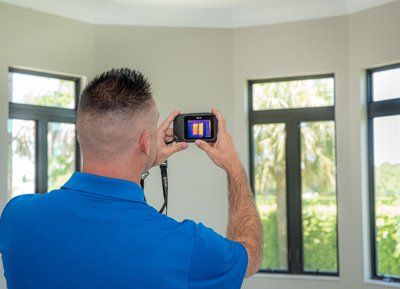
A professional mold inspection doesn’t rely on guesswork or visuals alone. It relies on measurable conditions.
During inspections, we focus on:
- Indoor humidity levels
- Moisture inside walls and materials
- HVAC system moisture
- Areas with current or past water intrusion
These measurements explain why mold grows even when surfaces look fine.
Why Moisture Is the Star of Every Inspection
Moisture drives everything. If moisture doesn’t stay, mold doesn’t grow.
In Sunrise homes, we frequently measure:
- Elevated indoor humidity
- Moisture trapped behind drywall
- Damp insulation without stains
- Condensation near vents and air handlers
Dry-looking surfaces often hide wet materials underneath.
How Moisture Moves Inside Homes
Water doesn’t stay where you see it. It spreads and settles quietly.
Inside homes, moisture tends to:
- Wick into drywall and insulation
- Travel along framing
- Settle in low-airflow spaces
- Remain trapped behind cabinets and flooring
Mold follows moisture paths—not visual clues.
Why Mold Inspections Look Beyond Visible Mold
Visible mold represents late-stage growth. Inspections aim to catch problems earlier.
We regularly inspect homes with:
- No visible mold
- No strong odors
- Normal-looking rooms
Yet measurements reveal conditions that support hidden mold growth already underway.
HVAC Systems: A Critical Part of Mold Inspections
HVAC systems show up in a large percentage of mold inspections because they control airflow and moisture.
Inspection findings often include:
- Mold on evaporator coils
- Damp insulation inside air handlers
- Standing water in drain pans
- Moisture that never fully dries
Once HVAC systems hold moisture, they distribute spores throughout the home.
Why Airflow Matters as Much as Moisture
Mold doesn’t just grow—it spreads. Airflow determines where spores travel.
During inspections, we assess:
- Air movement between rooms
- Pressure differences
- HVAC cycling patterns
Poor airflow combined with moisture increases both growth and exposure risk.
Odor Isn’t a Reliable Mold Indicator
Many homeowners rely on smell. Science says that’s unreliable.
Inspections often reveal:
- Mold growth with no odor
- Odors only during high humidity
- Smells appearing when AC starts
Odor depends on activity and airflow—not just mold presence.
The Role of Humidity in Mold Inspections
Humidity controls how long materials stay damp.
In Sunrise homes, we frequently measure:
- Humidity above recommended ranges
- Moisture rebounding after AC cycles
- Damp closets and corners
High humidity keeps mold-friendly conditions active even without leaks.
Mold Testing: When the Science Needs Extra Data
Mold testing isn’t always necessary, but it becomes useful when visual information isn’t enough.
Testing helps when:
- Mold is suspected but hidden
- Symptoms don’t match visible conditions
- HVAC involvement is likely
- Documentation matters
Testing confirms airborne exposure instead of guessing.
Mold Removal vs. Mold Remediation: The Scientific Difference
This distinction matters more than homeowners realize.
- Mold removal addresses existing growth
- Mold remediation corrects moisture and airflow conditions
Science shows mold returns when conditions don’t change—even after cleaning.
Why DIY Inspections Miss the Problem
DIY inspections rely on sight and smell. Mold science doesn’t.
DIY efforts usually miss:
- Moisture inside walls
- HVAC contamination
- Hidden growth behind finishes
- Pressure-driven airflow issues
Professional inspections use instruments, not assumptions.
What Inspection Data Predicts About Cost
Inspection data doesn’t just explain problems—it predicts outcomes.
Homes with unresolved moisture often develop:
- Larger mold-affected areas
- HVAC contamination
- Material deterioration
- Higher remediation costs
Early inspections almost always reduce total expense.
Real Inspection Insight: “Everything Looked Fine”
One Sunrise homeowner scheduled an inspection after mild headaches indoors. No visible mold existed. Measurements revealed elevated humidity, moisture behind a bedroom wall, and early HVAC mold growth.
Addressing conditions early kept remediation limited. Waiting would’ve doubled the scope.
Why Sunrise Homes Face Consistent Mold Pressure
Homes throughout Broward County face mold risk, but Sunrise adds frequent rain, aging plumbing, and steady AC use.
Inspection trends often show:
- Moisture intrusion near exterior walls
- AC condensation issues
- Slow drying inside wall cavities
These factors shorten the timeline for mold growth.
Verification: The Science Step That Protects Homeowners
Post-remediation verification confirms the environment no longer supports mold.
Verification may include:
- Moisture measurements
- Visual confirmation
- Optional follow-up testing
Without verification, homeowners rely on hope instead of data.
How Often Mold Inspections Should Happen
Conditions change over time, especially in humid climates.
Experts recommend inspections:
- Annually
- After water damage
- When odors appear
- When symptoms worsen indoors
Routine inspections catch problems early.
Preventing Mold Using Inspection Science
Prevention focuses on controlling measurable conditions.
Effective prevention includes:
- Managing indoor humidity
- Maintaining HVAC drainage
- Fixing leaks immediately
- Monitoring moisture-prone areas
When numbers stay in range, mold struggles to grow.
Final Thoughts: Mold Inspections Are About Physics, Not Panic
Mold inspections in Sunrise homes don’t rely on fear. They rely on simple science—moisture, airflow, and time. When those factors get measured early, mold problems stay small and manageable.
The solution stays consistent: thorough mold inspection, targeted mold testing when appropriate, proper mold removal, and complete mold remediation guided by real data. When science leads the process, homeowners save money, protect their homes, and avoid unnecessary stress.
If your home looks fine but feels off, don’t wait for visible mold to confirm it. From what the science shows, the problem usually starts long before you can see it.
