
The Science Explained Simply: Mold Remediation Insights for Homes in
Mold remediation sounds technical, but the science behind it is actually straightforward. In Lauderhill homes, mold remediation works when moisture, materials, and airflow are properly understood and controlled. When these factors are ignored, mold problems return—even after repeated cleaning. What real inspections and remediation projects show is that successful remediation is less about harsh chemicals and more about controlling the environment mold needs to survive.
Florida’s humidity creates ideal conditions for mold growth, especially in homes that stay closed and rely heavily on air conditioning. Mold remediation is effective when it focuses on removing mold safely, correcting moisture issues, and preventing spores from spreading during the process. Understanding the science behind remediation helps homeowners know what actually works—and why shortcuts fail.
How Mold Grows Inside Homes
Mold spores are always present in indoor air. They become a problem only when moisture allows them to grow. Scientifically, mold needs three basic things:
- Moisture
- Organic material
- Time
Building materials like drywall, wood, insulation, and dust all provide food sources. When moisture enters these materials, mold can begin growing beneath the surface, often without visible signs.
Why Moisture Control Is the Foundation of Remediation
Mold remediation always starts with moisture control. Removing mold without correcting moisture is ineffective because spores will simply regrow.
In Lauderhill homes, inspections commonly identify moisture from:
- High indoor humidity
- AC condensation and drain line issues
- Plumbing leaks
- Roof or window intrusion
From a scientific standpoint, reducing moisture removes the one condition mold cannot survive without.
Why Mold Often Grows Out of Sight
Mold does not require light. It grows best in dark, undisturbed areas where moisture lingers. This is why mold is often found behind walls, under cabinets, or inside HVAC systems.
Hidden mold grows because:
- Airflow is limited
- Moisture evaporates slowly
- Surfaces are rarely disturbed
This explains why visible cleaning rarely solves the problem.
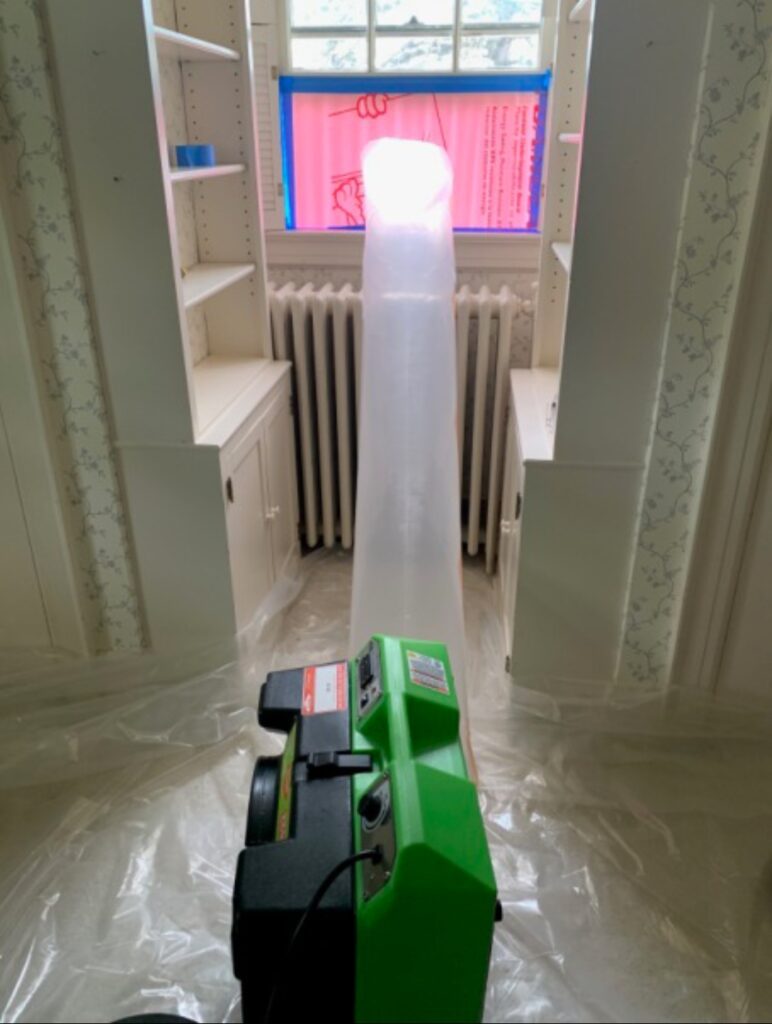
Containment: The Science of Preventing Spread
When mold is disturbed, spores become airborne. Without containment, these spores spread to clean areas of the home. Scientifically, airflow always moves particles toward pressure differences.
Professional remediation uses:
- Plastic barriers to isolate work areas
- Negative air pressure to control airflow
- HEPA filtration to capture spores
This prevents mold from spreading during removal.
Why Some Materials Must Be Removed
Porous materials absorb moisture deeply. Once mold grows inside them, surface cleaning cannot reach the root structure.
Materials that often require removal include:
- Drywall
- Insulation
- Carpet padding
- Pressboard
Removing these materials eliminates active mold growth and prevents ongoing spore release.
What Can Be Cleaned Instead of Removed
Non-porous or semi-porous materials can often be cleaned effectively when mold growth is limited.
These may include:
- Metal HVAC components
- Tile
- Certain plastics
The decision is based on material type and level of contamination—not fear.
How Air Quality Is Managed During Remediation
Air quality protection is a critical part of remediation science. HEPA air scrubbers are used to capture airborne spores and particles during work.
This helps:
- Reduce airborne contamination
- Protect unaffected areas
- Improve post-remediation air quality
Without air control, mold spores can remain suspended long after work is completed.
Why DIY Mold Remediation Fails Scientifically
DIY remediation often ignores airflow and moisture science. Scrubbing or spraying mold disturbs spores without controlling where they go.
DIY methods fail because:
- Spores spread without containment
- Moisture sources remain
- Hidden growth is missed
This leads to recurring mold problems.
Why Mold Returns After “Successful” Cleaning
When homeowners say mold “keeps coming back,” inspections usually reveal moisture was never fully addressed. Scientifically, mold regrowth means conditions are still favorable.
Common causes include:
- Ongoing humidity
- AC condensation
- Undetected leaks
Until moisture is corrected, mold remediation will not last.
The Role of HVAC Systems in Remediation
HVAC systems influence mold remediation outcomes. Moisture inside air handlers or ductwork can reintroduce spores even after remediation elsewhere.
Inspections often include:
- Evaluating HVAC moisture
- Checking airflow patterns
- Inspecting duct conditions
Addressing HVAC-related moisture improves remediation success.
What Happens After Remediation
After mold is removed, materials are dried and conditions are stabilized. Follow-up checks confirm moisture levels are normal and mold-favorable conditions no longer exist.
This step ensures:
- Long-term success
- Reduced recurrence risk
- Improved indoor air quality
Skipping this step often leads to repeat problems.
Why Early Remediation Is More Effective
The earlier mold is addressed, the less extensive remediation needs to be. Scientifically, mold spreads as moisture persists over time.
Early action:
- Limits affected areas
- Reduces material removal
- Lowers overall cost
Waiting allows mold colonies to expand.
Mold Remediation Services in Lauderhill
Homes in Lauderhill face year-round humidity challenges that make proper mold remediation especially important. A science-based approach ensures mold is removed safely and effectively.
We provide:
- Professional mold remediation
- Moisture source identification
- Containment and air quality protection
- HVAC-related evaluations
- Clear, practical recommendations
