
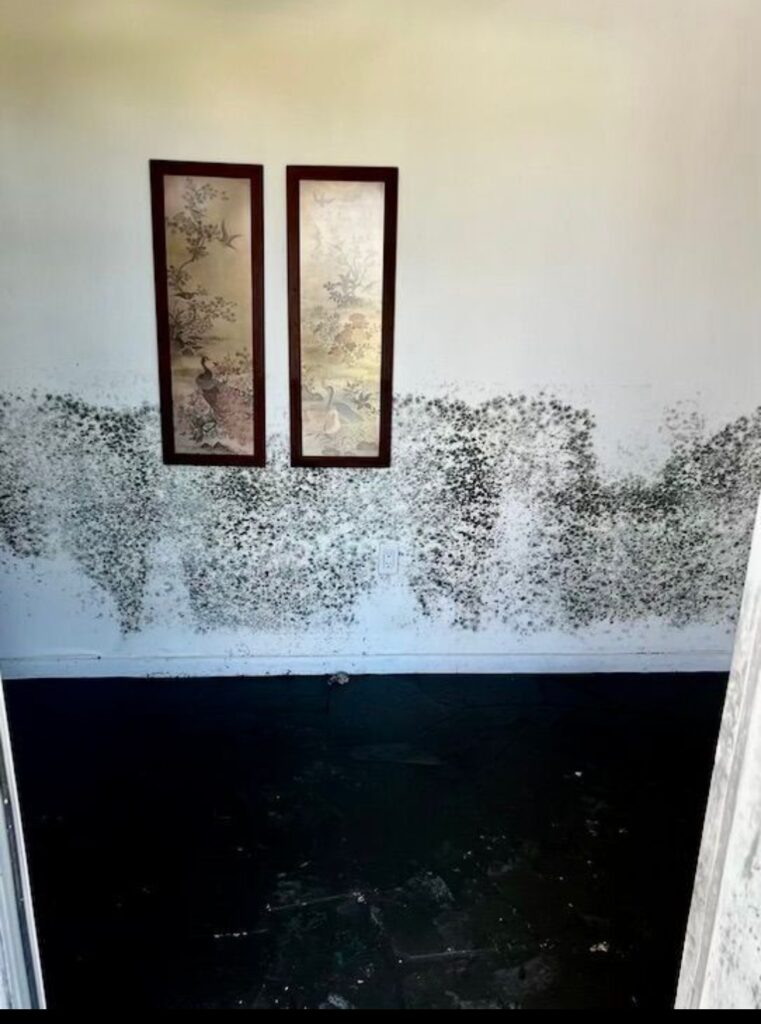
The Science Explained Simply: Mold Remediation Insights for Homes in
Mold remediation sounds complicated, but the science behind it is actually straightforward. In North Lauderdale homes, mold problems follow predictable patterns tied to moisture, materials, and airflow. When those conditions are understood and corrected, remediation works. When they’re ignored, mold returns—no matter how many times surfaces are cleaned.
Florida’s warm, humid climate creates an environment where mold can grow quietly behind walls, under floors, and inside HVAC systems. Mold remediation is effective when it focuses on removing mold safely and changing the conditions that allowed it to grow in the first place.
From a scientific perspective, mold needs only three things to grow:
- Moisture
- Organic material
- Time
Homes are full of organic materials like drywall, wood, insulation, and dust. When moisture enters these materials—even in small amounts—mold spores can activate and begin growing beneath the surface.
Moisture control is the foundation of mold remediation. Removing mold without correcting moisture is ineffective because spores will simply grow back. In North Lauderdale homes, inspections almost always identify unresolved moisture as the reason remediation becomes necessary.
Common moisture sources include:
- High indoor humidity
- AC condensation and drain line issues
- Plumbing leaks inside walls
- Roof or window intrusion
Once moisture is controlled, mold loses the ability to grow.
Mold often grows out of sight because it thrives in dark, undisturbed areas with limited airflow. This is why remediation projects frequently uncover mold behind drywall, under cabinets, or inside HVAC components.
Hidden mold grows because:
- Moisture evaporates slowly
- Airflow is limited
- Surfaces remain undisturbed
Visible mold is usually only a small part of the problem.
Containment is a key scientific principle in remediation. When mold is disturbed, spores become airborne. Without containment, those spores spread throughout the home.
Professional remediation uses:
- Sealed work zones
- Negative air pressure to control airflow
- HEPA filtration to capture airborne spores
These measures prevent cross-contamination and protect indoor air quality.
Material type determines how mold is handled. Porous materials absorb moisture deeply and allow mold to grow inside them. Once contaminated, these materials often cannot be fully cleaned.
Materials that commonly require removal include:
- Drywall
- Insulation
- Carpet padding
- Pressboard
Non-porous materials can often be cleaned effectively when moisture is eliminated.
HVAC systems play an important role in mold remediation outcomes. Moisture inside air handlers or ductwork can reintroduce spores into the home even after remediation elsewhere.
Inspections often include:
- Evaluating HVAC moisture
- Checking airflow patterns
- Inspecting ductwork and drain systems
Addressing HVAC-related moisture helps remediation succeed long term.
Another scientific factor is air quality management during remediation. HEPA air scrubbers are used to capture airborne spores released during removal.
This reduces:
- Airborne contamination
- Exposure during remediation
- The risk of spores settling in clean areas
Without air control, spores can remain suspended long after work is completed.
DIY remediation often fails because it ignores airflow and moisture science. Scrubbing mold releases spores without controlling where they go, and moisture sources often remain uncorrected.
This leads to:
- Mold spreading further
- Faster regrowth
- Larger remediation needs later
Science-based remediation prevents this cycle.
Mold often returns after “successful” cleaning because conditions remain favorable. From a scientific standpoint, regrowth means moisture is still present somewhere in the structure.
Common causes include:
- Ongoing humidity
- AC condensation
- Undetected leaks
Until moisture is eliminated, mold remediation will not last.
After mold is removed, drying and verification are essential. Moisture levels are checked to confirm that conditions no longer support mold growth.
Skipping this step increases the risk of recurrence.
Timing also matters. The earlier mold is addressed, the smaller the affected area and the simpler remediation tends to be. Delayed action allows mold colonies to expand deeper into materials.
Homes in face constant humidity challenges that make science-based mold remediation especially important.
