
The Science Explained Simply: Mold Removal Insights for Homes in Broward County
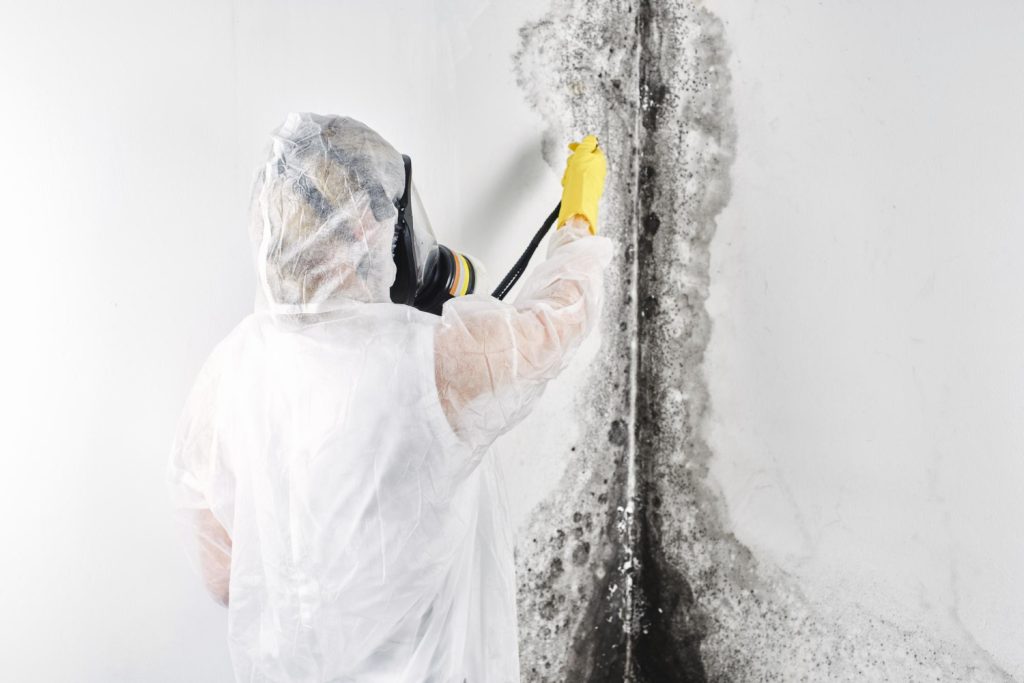
What Mold Really Is (And Why It Grows Indoors)
Mold isn’t mysterious. It’s a natural organism that exists everywhere—inside and outside. Spores float in the air constantly, even in clean homes.
Mold only starts growing when three things come together:
- Moisture
- Organic material (dust, drywall, wood, or fabric)
- Warm temperatures
South Florida provides all three almost year-round. That’s why mold shows up more often in places like Fort Lauderdale, Deerfield Beach, Davie, and Pembroke Pines than in drier climates.
Why Mold Removal Alone Doesn’t Always Work
Here’s something many homeowners don’t realize.
If someone removes visible mold but ignores the moisture source, mold usually returns. Not always immediately, but often within weeks or months.
That’s because spores remain in the air, waiting for moisture to return.
Proper mold removal always involves two steps:
- Removing contaminated materials or cleaning surfaces
- Fixing the moisture problem that caused growth
The Science Behind Mold Removal (Explained Simply)
Let’s break this down in plain English.
When professionals perform mold removal, they focus on controlling three things:
1. Stopping Spores From Spreading
During removal, disturbing mold can release spores into the air. That’s why technicians use:
- Plastic containment barriers
- Negative air machines
- HEPA filtration
These tools keep spores from traveling to clean areas.
Ever shaken a dusty rug and watched particles float everywhere? Mold spores behave the same way, just smaller.
2. Removing Contaminated Materials
Some materials cannot be fully cleaned, especially porous ones.
Examples include:
- Drywall
- Insulation
- Ceiling tiles
- Carpet padding
Professionals remove and safely dispose of these materials when contamination runs deep.
Hard surfaces like tile or metal often allow cleaning instead of removal.
3. Cleaning and Sanitizing Surfaces
After removal, technicians clean surrounding areas to remove remaining spores.
This often includes:
- HEPA vacuuming
- Surface cleaning
- Air filtration
The goal involves reducing spore levels back to normal indoor conditions—not sterilizing the home completely, which isn’t realistic or necessary.
Why Broward County Homes Need Special Attention
Homes across Broward County face unique environmental challenges:
- High humidity
- Frequent rainstorms
- Long AC usage seasons
- Warm attic spaces
These conditions create constant condensation and moisture risks.
Cities like Tamarac, Coral Springs, Plantation, and Hollywood show similar inspection patterns: most mold problems start with small moisture issues, not major flooding.
That surprises many homeowners.
Common Moisture Sources That Lead to Mold
From real inspections, these are the most common causes:
- AC condensation and clogged drain lines
- Roof leaks
- Plumbing leaks
- Poor ventilation in bathrooms or closets
- Humid air entering through duct leaks
Ever noticed a slightly musty smell in one room but not others? That often points to localized moisture.
Small problems rarely stay small when moisture stays present.
How Mold Inspection Helps Before Removal Begins
A proper mold inspection identifies:
- Moisture sources
- Areas of contamination
- Humidity levels
- HVAC involvement
Inspectors focus on finding the cause first, because removal without diagnosis often leads to repeat problems.
Across Broward County, inspection often reveals hidden issues inside air handlers, attics, or wall cavities—places homeowners rarely check.
When Mold Testing Makes Sense
Not every home needs testing, but mold testing helps in certain situations:
- Persistent odors without visible mold
- Allergy symptoms that worsen indoors
- Multiple affected rooms
- Real estate transactions
Testing compares indoor and outdoor spore levels to determine whether mold levels remain elevated.
Testing provides clarity, and clarity helps homeowners make smart decisions.
Mold Remediation: The Step That Solves the Problem Long Term
People often use the terms interchangeably, but mold removal and mold remediation are different steps.
Removal eliminates contamination.
Remediation prevents recurrence.
Remediation may include:
- Repairing leaks
- Improving ventilation
- Sealing ductwork
- Adjusting humidity control
Without remediation, mold frequently returns. With remediation, problems usually stay resolved.
Simple logic, but easy to overlook.
Practical Tips to Reduce Mold Risk at Home
You don’t need complicated tools to prevent mold. A few habits make a big difference.
Keep Indoor Humidity Controlled
Maintain humidity between 45% and 55% whenever possible.
A hygrometer costs very little and provides useful information.
Change HVAC Filters Regularly
Dirty filters reduce airflow and increase moisture buildup.
Most homes benefit from replacing filters every 1–3 months.
Fix Leaks Quickly
Even small leaks can allow mold growth within days.
Waiting usually increases both damage and repair costs.
Improve Airflow
Open vents, use fans, and avoid blocking air returns.
Air movement reduces humidity and moisture buildup.
These small steps prevent many mold problems before they begin. Honestly, prevention always beats remediation in both cost and stress. 🙂
Areas of the Home Most at Risk
Certain locations show higher moisture levels more often:
- Attics
- Closets on exterior walls
- Laundry rooms
- Rooms farthest from the HVAC system
These areas often receive less airflow, allowing humidity to linger.
Ever opened a closet and noticed a faint stale smell? That’s usually the first warning sign.
Why Early Action Matters
Small mold problems often remain manageable. Larger ones spread into:
- Insulation
- Structural materials
- Flooring
- Furniture
Addressing issues early usually means:
- Faster repairs
- Lower cost
- Less disruption
Across Broward County homes, early mold inspection, mold testing, mold removal, and mold remediation consistently prevent larger structural damage later.
IMO, the earlier you act, the easier everything becomes.
Final Thoughts
Mold removal isn’t mysterious when you understand the science. Moisture allows mold to grow, airflow spreads spores, and proper remediation prevents the problem from returning.
For homeowners in Broward County, the smartest approach stays simple:
- Watch for musty odors or humidity problems
- Schedule inspections when warning signs appear
- Address moisture quickly
- Maintain HVAC systems regularly
