
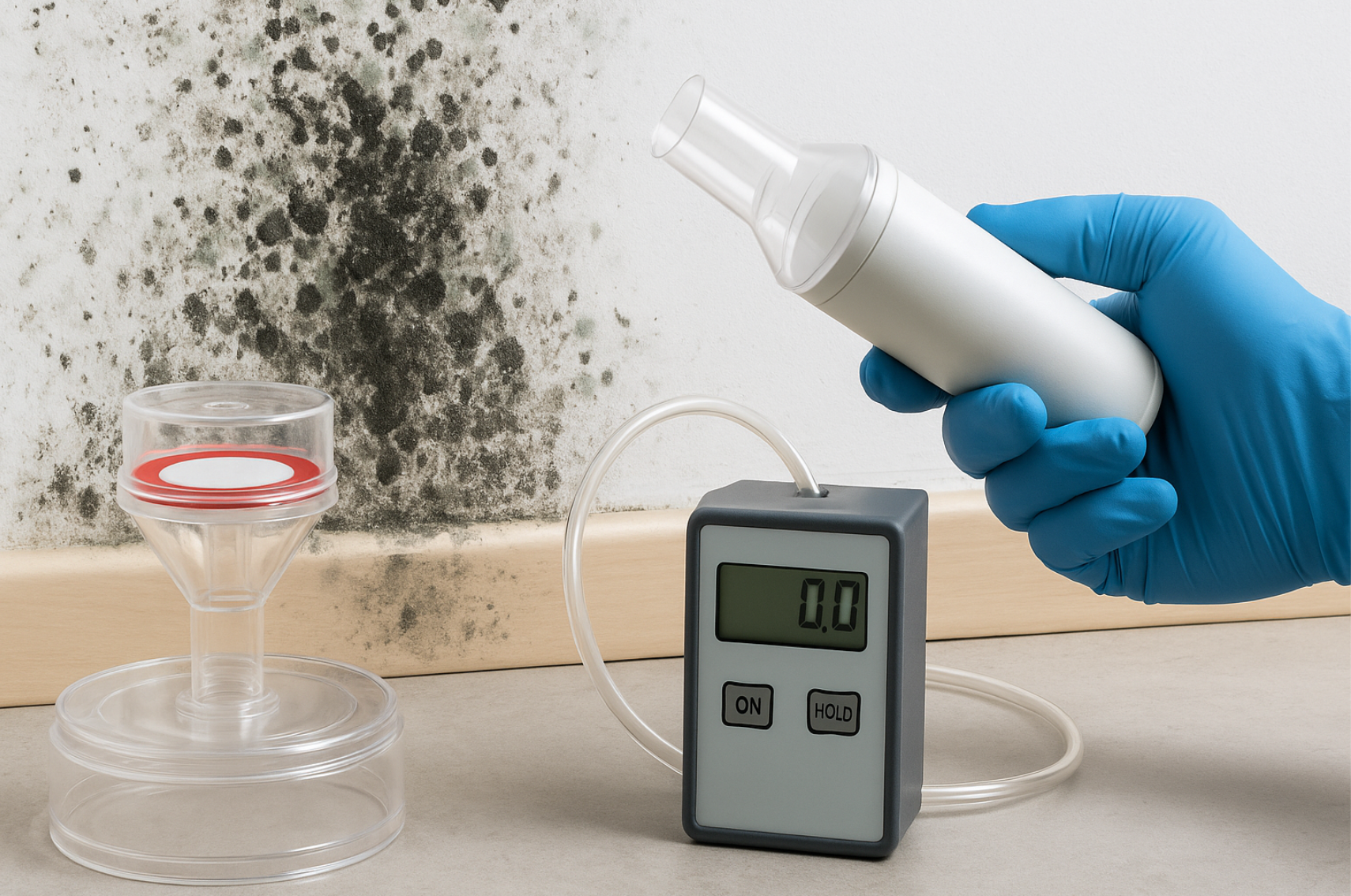
The Science Explained Simply: Mold Testing Insights for Homes in Tamarac
Ever wondered what goes on during mold testing? Is it some fancy lab procedure, or is it just sniffing walls and calling it a day? 😅 In reality, mold testing is a science-backed process that helps homeowners in Tamarac understand exactly what’s growing in their homes, where it’s hiding, and how to fix it.
After years of performing mold inspections, mold testing, removal, and full remediation, I’ve seen first-hand how homeowners often misunderstand mold testing. Some think it’s optional, some rely on DIY kits, and others ignore it entirely — only to deal with recurring mold problems later. Let’s break down the science simply, explain why it matters, and give practical insights you can actually use.
Why Mold Testing Matters
First, let’s get this straight: you can’t always see mold, and just because you can’t smell it doesn’t mean it’s not there. Mold spores are microscopic and can travel through the air, inside HVAC systems, walls, and insulation.
Mold testing tells you:
- If mold is present in your home
- What type of mold you’re dealing with (some are more harmful than others)
- Where mold is hidden, which is critical for effective remediation
- Indoor air quality levels, so you know if your family is at risk
Skipping mold testing is like driving blindfolded — you might avoid some potholes, but eventually, something’s going to go wrong.
How Mold Grows in Tamarac Homes
Florida’s climate makes mold almost inevitable if conditions are right. In Tamarac:
- High humidity – year-round moisture creates ideal conditions for mold
- Storms and leaks – heavy rainfall can saturate walls, roofs, and crawlspaces
- AC systems – condensation in ducts or pans feeds hidden colonies
- Older materials – drywall, insulation, and wood absorb water easily
Mold testing identifies both visible and hidden mold, so you don’t have to wait until you see a black patch or smell a musty odor.
The Mold Testing Process Explained
Professional mold testing is more than just “take a sample and send it to a lab.” Here’s the process in Tamarac homes:
1. Visual Inspection
Before any testing, professionals inspect the home for:
- Water stains, discoloration, or condensation
- Musty odors indicating hidden mold
- Leaks in plumbing, roofing, or AC systems
- Areas prone to high humidity
This step guides where samples should be taken, ensuring the testing is targeted and meaningful.
2. Air Sampling
- Collects airborne mold spores using specialized pumps and filters
- Measures spore concentration throughout the home
- Helps compare indoor air vs outdoor air to determine abnormal levels
Air sampling is critical because mold spores often travel through HVAC systems and can spread invisibly.
3. Surface Sampling
- Swabs or tape samples collect mold from walls, floors, ceilings, or ducts
- Identifies the species of mold growing on surfaces
- Determines whether the mold is active or dormant
Surface testing is especially important in Tamarac homes with water damage or high humidity, where hidden mold can thrive behind walls or under flooring.
4. Laboratory Analysis
- Samples are analyzed under a microscope or cultured to identify mold type and concentration
- Lab results reveal whether the mold is allergenic, pathogenic, or toxic
- Helps professionals create a remediation plan tailored to your home
What Mold Testing Can Reveal
Mold testing isn’t just about confirming a problem. Here’s what homeowners often learn:
- Hidden mold behind walls or inside ducts
- High spore levels in HVAC systems
- Recurring moisture problems feeding growth
- Potential health risks, including allergy triggers or toxic molds
Without testing, you might clean visible mold and think the problem is solved — but hidden colonies can continue releasing spores and worsening indoor air quality.
DIY Mold Testing Kits: Pros and Cons
You might be tempted to grab a DIY mold test from the store. Here’s the reality:
Pros:
- Inexpensive and easy to use
- Provides a basic idea if mold is present
Cons:
- Limited accuracy and scope
- Doesn’t identify hidden mold behind walls or ducts
- May misidentify mold types, leading to improper remediation
- No professional interpretation of results
IMO, DIY kits can be okay for preliminary checks, but relying on them for serious remediation is risky. Professional testing ensures accuracy and actionable results.
Mold Testing and Health
Mold spores can trigger a wide range of health effects, especially in sensitive individuals:
- Allergies: sneezing, itchy eyes, runny nose
- Asthma attacks: spores circulating through HVAC systems worsen symptoms
- Respiratory irritation: coughing, wheezing, sinus issues
- Chronic fatigue or headaches: long-term exposure may contribute
Testing identifies the mold type and concentration, helping doctors and homeowners take informed steps to protect health.
Steps Homeowners Can Take After Testing
Once professional mold testing reveals a problem, here’s what comes next:
1. Identify the Source of Moisture
- Fix leaks in plumbing, roofs, or AC systems
- Address condensation in ductwork or walls
- Ensure crawlspaces and attics are ventilated
2. Professional Mold Remediation
- Contain affected areas to prevent spores from spreading
- Remove contaminated materials (drywall, insulation, carpets) if necessary
- Clean surfaces with antifungal treatments
- Air scrub and HEPA vacuum to remove airborne spores
3. Post-Remediation Testing
- Confirms mold has been effectively removed
- Ensures indoor air quality is safe for occupants
4. Preventative Measures
- Regular HVAC maintenance and filter changes
- Dehumidifiers in bathrooms, kitchens, and crawlspaces
- Routine inspections after storms or leaks
Why Mold Testing Is Worth the Investment
Skipping testing can lead to:
- Hidden mold growth that worsens over time
- Recurring health problems for family members
- Higher remediation costs once mold spreads
- Structural damage to walls, ceilings, and flooring
- Reduced home value if mold becomes a persistent issue
Investing in professional mold testing gives you peace of mind, health protection, and actionable insights.
Final Thoughts
Mold testing isn’t just a fancy procedure — it’s a science-backed way to protect your home and family. In Tamarac, Florida, where humidity, storms, and AC systems make mold a constant threat, testing is the only way to know what’s really going on.
Key takeaways for homeowners:
- Mold testing identifies both visible and hidden mold
- Air and surface samples reveal spore levels, species, and health risks
- DIY kits are limited; professional testing provides accuracy and actionable insights
- Addressing moisture sources and performing remediation prevents recurring problems
- Regular testing and monitoring improve indoor air quality and family health
Remember: you can’t fix what you can’t see or measure. Mold testing is the first step toward a safer, healthier, and more comfortable home in Tamarac. 🙂
