
What “Hidden Mold” Really Means – A Guide for Florida Homeowners
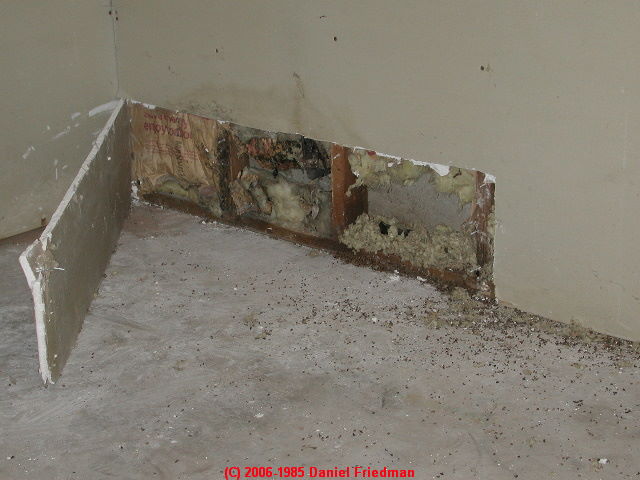
Here’s a fun little fact: just because you can’t see mold doesn’t mean it’s not there. In Florida homes, hidden mold is practically a part of the scenery — thanks to humidity, AC condensation, and those sneaky little leaks that always seem to appear in the worst places.
After years of doing mold inspection, mold testing, mold removal, and remediation, I’ve realized most homeowners completely misunderstand what “hidden mold” really is. People see a clean wall and think, “All clear!”, only to find out later that spores have been silently growing behind the scenes. Let’s dig into what hidden mold really is, why it matters, and what you can do to protect your home and family.
Hidden Mold vs Visible Mold
Most people assume mold is obvious — black spots on walls or ceilings, a musty smell, or green patches in corners. Hidden mold is much sneakier:
- It grows inside walls, behind baseboards, under flooring, or inside HVAC ducts
- It thrives on porous materials like drywall, wood, carpet padding, and insulation
- It spreads via airborne spores, often long before you ever see it
Visible mold is just the “tip of the iceberg.” Hidden mold is the part that does the real damage — quietly, invisibly, and sometimes for months or years.
Why Hidden Mold Is Common in Florida Homes
Florida’s climate is basically mold’s dream:
- High humidity year-round keeps surfaces damp enough for growth
- Frequent storms lead to leaks in roofs, walls, and basements
- AC condensation creates hidden moisture pockets inside ducts, walls, and flooring
- Older construction materials absorb moisture quickly and stay damp
Even well-maintained homes aren’t immune. Hidden mold thrives where moisture is present but out of sight, often spreading silently until noticeable problems appear.
Common Areas Where Hidden Mold Lives
Here’s where we see hidden mold most often in Florida homes:
1. Inside Walls
- Water leaks from plumbing or roofs often saturate drywall
- Mold grows inside the wall cavity, releasing spores into the air
- Baseboards and paint may look fine, but the wall can be a mold hotspot
2. HVAC Systems and Ducts
- Condensation collects in coils, drain pans, and duct insulation
- Mold spores spread throughout the home every time the AC runs
- Musty odors often originate from hidden growth in these systems
3. Attics, Crawlspaces, and Basements
- Poor ventilation traps humid air
- Roof leaks or plumbing issues introduce moisture
- Mold often grows on insulation or wood framing, completely hidden from view
4. Under Flooring or Behind Cabinets
- Carpet padding or tile underlayment absorbs water after spills or leaks
- Mold grows silently beneath, affecting indoor air quality
- Kitchens, bathrooms, and laundry areas are the most common culprits
The Health Risks of Hidden Mold
Even if you don’t see it, hidden mold can impact your health:
- Allergies – sneezing, itchy eyes, congestion
- Asthma flare-ups – spores circulating in air trigger symptoms
- Respiratory irritation – coughing, wheezing, sinus problems
- Chronic exposure effects – fatigue, headaches, long-term lung issues
Children, elderly residents, and anyone with existing respiratory issues are especially vulnerable. The scary part? Symptoms often show up indoors and get blamed on “seasonal allergies” until the hidden mold is discovered.
Signs That Hidden Mold Is Present
Even if you can’t see mold, there are clues:
- Musty odors – often in closets, attics, or behind walls
- Persistent allergy symptoms indoors – worse at home than outside
- Water stains or discoloration – subtle signs on ceilings or walls
- Condensation on windows, walls, or AC vents
- HVAC odors – smell worsens when the system is running
Spotting these signs early can prevent serious damage and protect your family’s health.
Why DIY Cleaning Can Fail
Some homeowners attempt to “fix” mold with sprays, wipes, or temporary patches. Here’s the problem:
- Hidden mold remains untouched – surface cleaning doesn’t reach wall cavities, duct insulation, or carpet padding
- Spores become airborne – scrubbing can spread mold throughout the home
- Moisture source isn’t addressed – leaks or condensation continue to feed growth
DIY solutions often mask the problem instead of solving it. Professional inspection and remediation are usually required to truly eliminate hidden mold.
How Professionals Handle Hidden Mold
When we deal with hidden mold in Florida homes, the process usually includes:
- Thorough Inspection
- Moisture meters, thermal imaging, and visual inspections detect hidden growth
- Air sampling identifies airborne spores
- Containment
- Plastic barriers and negative air pressure prevent spores from spreading
- HEPA filtration keeps the rest of the home safe during remediation
- Moisture Source Repair
- Leaks, AC condensation, and drainage problems are addressed
- Without this step, mold will return
- Removal of Contaminated Materials
- Drywall, insulation, or carpet padding may be removed
- Non-porous surfaces are cleaned and disinfected
- Air Scrubbing and Clearance Testing
- HEPA vacuums and scrubbers remove spores from the air
- Post-remediation testing ensures mold levels are safe
Practical Steps for Homeowners
Even before calling a professional, there are things you can do:
- Control humidity – use dehumidifiers and maintain HVAC systems
- Inspect for leaks – roof, plumbing, and AC lines should be checked regularly
- Improve ventilation – bathrooms, kitchens, attics, and crawlspaces need airflow
- Monitor indoor air quality – HEPA air purifiers can help reduce spores
- Watch for subtle signs – odors, condensation, and recurring allergy symptoms
Early detection is key to preventing hidden mold from causing serious health or structural problems.
Why Acting Early Saves Money
Ignoring hidden mold can lead to:
- Recurring mold growth that’s harder and more expensive to remediate
- Widespread contamination of HVAC systems and ductwork
- Structural damage to walls, floors, and insulation
- Health issues for family members
- Reduced home value due to unresolved mold problems
Addressing hidden mold promptly is far cheaper, safer, and less stressful than waiting until it becomes a major problem.
Final Thoughts
Hidden mold isn’t visible, but it’s real, it’s harmful, and it’s common in Florida homes. Understanding what hidden mold really means is the first step in protecting your home, family, and health.
Key takeaways:
- Hidden mold grows inside walls, ducts, attics, and under flooring
- Even if you don’t see it, it can release spores into the air and trigger health issues
- DIY cleaning is usually ineffective; professional inspection and remediation are essential
- Control humidity, fix leaks, and monitor indoor air quality to prevent recurrence
- Early action saves money, health, and stress
Remember: just because you can’t see mold doesn’t mean it isn’t silently affecting your home. Trust the signs — musty odors, persistent allergies, and moisture issues are warnings you shouldn’t ignore. 🙂
