
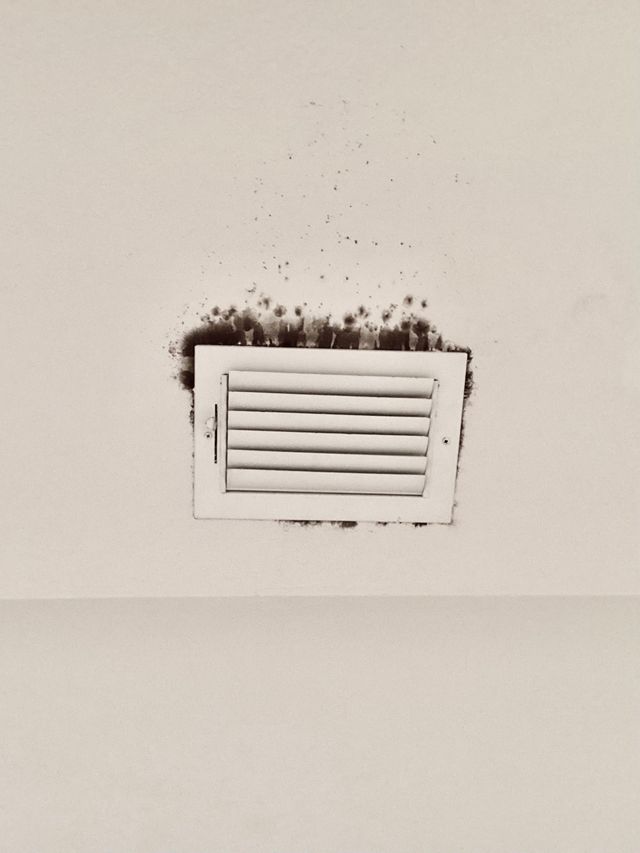
What Most People Get Wrong: Air Duct Mold Insights for Homes in Tamarac, Florida
If you live in Tamarac, there’s a good chance your air ducts are quietly affecting your home more than you realize. Air duct mold is one of the most misunderstood mold problems in South Florida—and misinformation is exactly what allows it to spread.
This article focuses on what most people get wrong about air duct mold, based on real inspections and real homes in Tamarac. No scare tactics. No oversimplified advice. Just practical insight into how duct mold actually forms, how it spreads, and what homeowners should realistically pay attention to.
Why Air Duct Mold Is So Common in Tamarac Homes
Air ducts are not dirty by default—but they are vulnerable.
Tamarac homes deal with:
- High year-round humidity
- Long AC run times
- Condensation forming inside ducts
- Dust buildup that provides a food source
- Aging duct materials mixed with newer HVAC systems
Air ducts are dark, enclosed, and rarely inspected. When moisture enters the system, mold can grow quietly for months without obvious warning.
What People Get Wrong #1: “Air Duct Mold Is Easy to See”
Wrong.
Most air duct mold is not visible at the vent.
In real Tamarac inspections, mold is usually found:
- Deep inside ductwork
- On internal insulation
- Near low points where condensation collects
- Inside return ducts rather than supply vents
If mold is visible at the vent cover, the problem has usually already progressed inside the system.
What People Get Wrong #2: “Dust and Mold Are the Same Thing”
They’re not.
Dust:
- Is dry
- Settles evenly
- Can be vacuumed or wiped
Mold:
- Grows in patches or streaks
- Has a musty or sour smell
- Returns quickly after surface cleaning
- Requires moisture to survive
Dark buildup inside ducts is often dismissed as dust—until odors or symptoms appear.
What People Get Wrong #3: “Changing Filters Prevents Air Duct Mold”
Filters help with particles—but they do not stop mold growth.
Here’s why:
- Filters don’t control moisture
- Mold grows downstream of the filter
- Condensation occurs on coils and inside ducts
You can change filters monthly and still have mold growing where filters can’t reach.
What People Get Wrong #4: “If the AC Is Cooling, the System Is Healthy”
Cooling performance has nothing to do with mold presence.
Many Tamarac homes with air duct mold:
- Cool normally
- Maintain set temperatures
- Show no mechanical issues
Mold thrives quietly as long as moisture and dust are present—cool air doesn’t stop it.
What People Get Wrong #5: “Sprays or Fogging Fix Air Duct Mold”
This is one of the biggest mistakes.
Sprays and fogging:
- Don’t penetrate duct insulation
- Don’t remove embedded mold
- Don’t correct condensation issues
- Often make mold spread further
Disturbing mold without containment releases spores into the air, turning a localized problem into a whole-house exposure.
How Air Duct Mold Actually Spreads
Mold spreads through microscopic spores, not visible growth.
The process usually looks like this:
- Mold grows inside a damp duct section
- Spores release into moving air
- HVAC blower distributes spores
- Spores settle in other damp areas
- New mold growth begins elsewhere
This is why air duct mold often causes house-wide odors and symptoms, even when growth is limited to one area.
What People Get Wrong #6: “Air Duct Mold Only Comes From Big Water Damage”
Most air duct mold in Tamarac homes comes from:
- AC condensation
- High indoor humidity
- Poor airflow
- Clogged drain lines
Flooding isn’t required. Normal HVAC operation in Florida is enough when moisture isn’t managed properly.
Real Warning Signs Homeowners Overlook
Based on real inspections, early warning signs include:
- Musty smell when AC turns on
- Odors strongest near vents or closets
- Condensation on vent covers
- Filters clogging unusually fast
- Allergy symptoms worse indoors
If the smell appears only when the AC runs, the HVAC system deserves attention.
Why Air Duct Mold Affects Indoor Air Quality So Much
Air ducts connect every room. Once mold enters the system:
- Spores circulate constantly
- Odors become persistent
- Symptoms feel non-localized
- Exposure becomes continuous
This is why homeowners often say:
“The whole house feels off, but I can’t find why.”
What Experts Actually Recommend (Not Guesswork)
Instead of relying on myths, experts focus on:
- Identifying moisture sources
- Inspecting duct materials
- Controlling humidity
- Using containment during removal
- Replacing ducts when cleaning isn’t effective
Some ducts can be cleaned. Others—especially internally insulated or flexible ducts—may need replacement if contaminated.
Why Ignoring Air Duct Mold Gets Expensive
Inspection data shows:
- Mold spreads deeper into duct systems over time
- HVAC contamination expands
- Removal becomes more invasive
- Costs rise significantly
Early action often limits the problem to small sections instead of entire systems.
Prevention Tips That Actually Work in Tamarac Homes
Effective prevention focuses on:
- Keeping indoor humidity below 60%
- Ensuring AC drain lines stay clear
- Maintaining proper airflow
- Inspecting ducts periodically
- Addressing condensation quickly
Prevention is about environmental control, not chemicals.
Final Thoughts: Understanding Air Duct Mold Changes Everything
Air duct mold in Tamarac homes isn’t rare—it’s just misunderstood. Most problems grow quietly because homeowners rely on myths instead of facts.
When you understand what air duct mold actually needs—moisture, dust, and time—you can stop it early, protect indoor air quality, and avoid unnecessary expense.
