
What Most People Get Wrong: Black Mold Insights for Homes in Lauderhill
Black mold gets talked about like it’s either a made-up problem or a household apocalypse. Real inspections in Lauderhill tell a much calmer—and far more useful—story. The biggest issues aren’t panic or denial; they’re misconceptions that send homeowners chasing the wrong fixes.
Here’s what most people get wrong about black mold, based on what inspectors actually find inside Lauderhill homes.
Mistake #1: Thinking “Black Mold” Is One Specific, Rare Threat
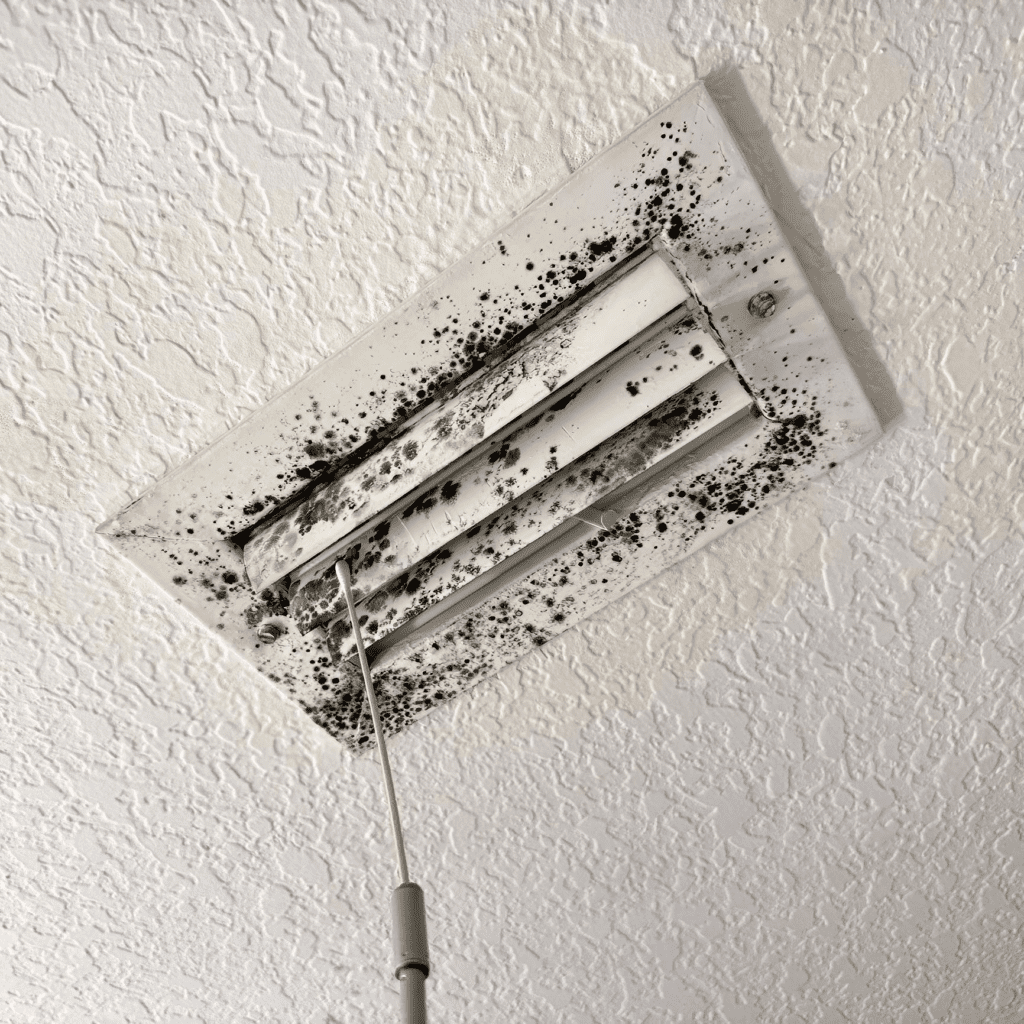
In real inspections, black mold usually means dark-colored mold, not a single super-dangerous species.
What matters more than the color:
- How long moisture has been present
- Whether mold is hidden or spreading
- If spores are circulating through the home
Color doesn’t equal severity. Conditions do.
Mistake #2: Assuming Mold Only Grows Where You See It
This one gets expensive.
Inspectors routinely find black mold in Lauderhill homes:
- Behind drywall that looks clean
- Under kitchen and bathroom cabinets
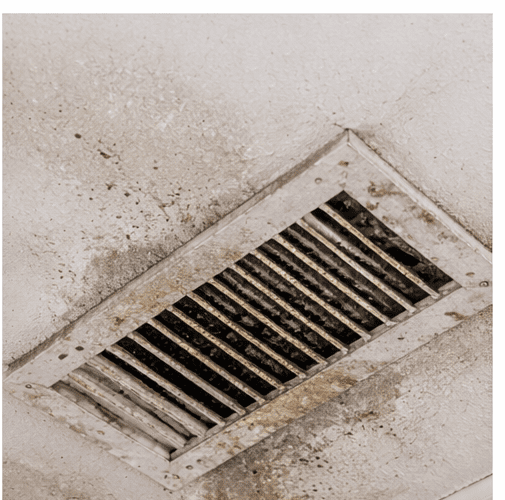
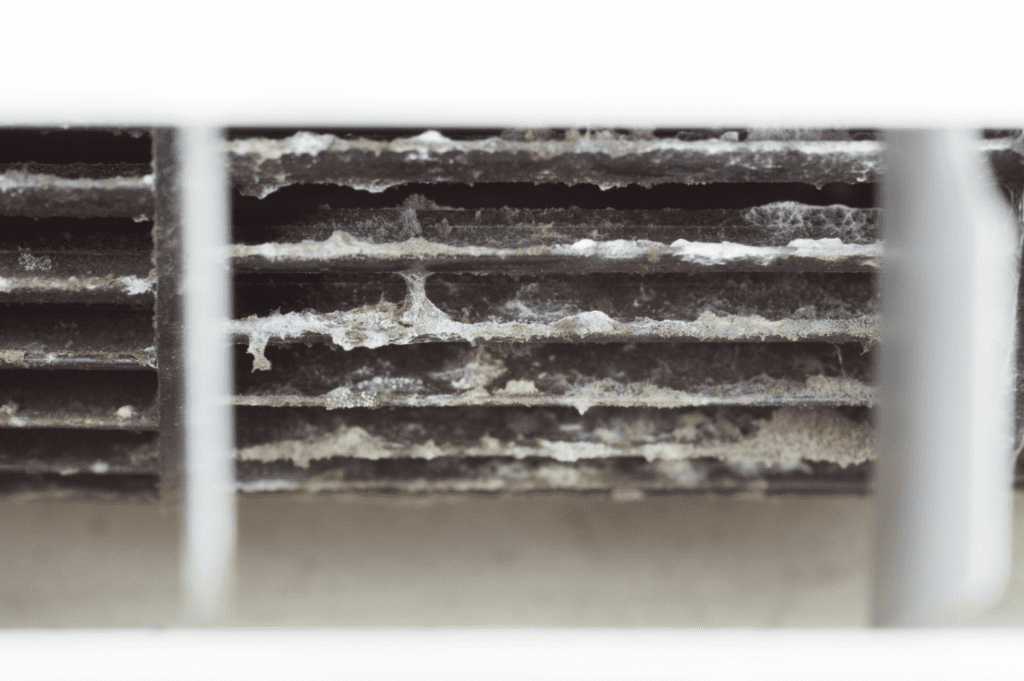
- Inside HVAC systems or duct insulation
- Above ceilings and in attics
Visible mold is often just the tip of the iceberg.
Mistake #3: Believing Bleach or Sprays “Fix” the Problem
DIY cleaning may remove stains, but inspections frequently show:
- Mold roots still active in porous materials
- Moisture sources completely untouched
- Faster regrowth after cleaning
Bleach doesn’t penetrate drywall, wood, or insulation—and it doesn’t solve humidity or leaks. It resets the clock; it doesn’t stop it.
Mistake #4: Thinking Mold Means the Home Is Dirty
Inspectors find black mold in:
- Clean, well-maintained homes
- Newer houses with AC issues
- Homes with spotless kitchens and bathrooms
Mold growth is about moisture and airflow, not housekeeping.
Mistake #5: Ignoring Musty Smells Because “There’s No Mold”
Odors matter.
In many Lauderhill inspections:
- Musty smells showed up months before visible mold
- Odors came and went with AC cycles
- Mold was later found hidden near HVAC components or inside walls
Smell is often the first warning—don’t dismiss it.
Mistake #6: Assuming Small Leaks Can’t Cause Big Mold Problems
Some of the worst cases started with:
- A slow drip under a sink
- A slightly clogged AC drain line
- Minor roof or window seepage
Small moisture issues don’t always look serious—but they last long enough for mold to thrive quietly.
Mistake #7: Waiting Until Symptoms Feel “Serious”
In real inspections, homeowners often report:
- Mild allergy or sinus symptoms at first
- Fatigue or headaches that gradually worsened
- Symptoms improving when leaving the house
By the time health concerns feel undeniable, inspectors often find mold has been present for a long time.
What Inspectors Focus On Instead
Professionals don’t chase mold color—they follow patterns.
They look for:
- Moisture sources
- Condensation around vents
- HVAC drain and airflow issues
- Repeated mold in the same areas
- Elevated indoor humidity
That’s how mold is stopped from returning.
The Lauderhill Reality
Lauderhill homes deal with:
- High humidity most of the year
- Constant AC use
- Condensation that’s easy to miss
- Small leaks that stay hidden
These conditions make black mold common—but manageable when addressed correctly.
What Actually Changes the Outcome
Inspection data shows timing is everything:
- Early action: moisture fix + limited cleanup
- Delayed action: material removal + wider remediation
The mold itself isn’t usually the costly part. Letting it grow unnoticed is.
Final Takeaway
Most people get black mold wrong because they focus on fear, color, or quick fixes. Real inspections in Lauderhill show that black mold is almost always a symptom of moisture, not a mystery or a sign of neglect.
Stop chasing stains. Start controlling moisture. When homeowners do that, black mold loses its power—and stays gone.
