
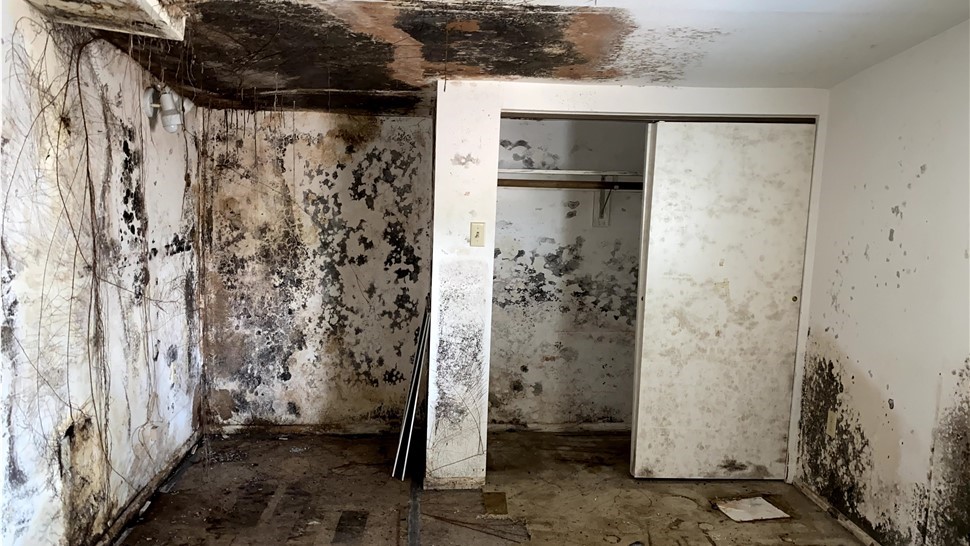
What Most People Get Wrong: Black Mold Insights for Homes in Tamarac
Black mold has a reputation that sparks instant fear among homeowners in Tamarac, but much of what people believe about it is either exaggerated, misunderstood, or flat-out wrong. In Broward County and across South Florida, black mold problems are common—not because homes are neglected, but because the climate makes moisture control a constant challenge.
Understanding what black mold actually is, what it does (and doesn’t do), and how it affects homes in Tamarac can help you respond calmly, correctly, and effectively if mold becomes an issue in your home.
Mistake #1: Thinking All Black Mold Is the Same
One of the biggest misconceptions is that any dark-colored mold is automatically “toxic black mold.”
Here’s the reality:
- “Black mold” is a general term, not a medical diagnosis
- Many mold species appear black or dark green
- Not all black-colored mold produces harmful toxins
The mold most people fear is Stachybotrys chartarum, but it requires specific conditions—constant moisture and cellulose-based materials—to grow. In Tamarac homes, many black-looking molds are different species entirely.
Mistake #2: Believing Black Mold Only Grows in Dirty Homes
Black mold has nothing to do with cleanliness.
In Tamarac, mold commonly develops due to:
- High humidity levels
- AC condensation
- Plumbing leaks
- Roof leaks after storms
- Poor ventilation
Some of the cleanest homes in Broward County experience mold issues simply because moisture went unnoticed behind walls, under flooring, or inside HVAC systems.
Mistake #3: Assuming You’ll Always See Black Mold
Visible mold is only part of the story.
Black mold frequently grows:
- Behind drywall
- Under bathroom vanities
- Beneath flooring
- Inside air ducts
- Above ceilings
Many Tamarac homeowners don’t discover mold until symptoms appear—long before anything is visible.
Mistake #4: Thinking Bleach Solves Black Mold Problems
Bleach is one of the most misunderstood tools in mold cleanup.
What most people get wrong:
- Bleach does not kill mold roots in porous materials
- It can cause mold to release more spores
- It may lighten the stain while leaving mold alive
Using bleach often makes homeowners think the problem is gone when it’s actually spreading deeper into materials.
Mistake #5: Believing Black Mold Is Always Deadly
Black mold can cause health issues, but panic-driven assumptions are rarely helpful.
Potential symptoms may include:
- Nasal congestion
- Sneezing or coughing
- Eye or throat irritation
- Headaches
- Worsening asthma
Serious health effects are more likely with long-term exposure, especially for children, seniors, or individuals with respiratory conditions. Not every case of black mold leads to severe illness—but ignoring it can increase risks over time.
Mistake #6: Assuming Mold Smell Is “Just Humidity”
A musty odor is one of the most common early warnings of mold.
In Tamarac homes, persistent odors often come from:
- Hidden mold growth
- Damp insulation
- Mold inside ductwork
- Areas that never fully dry
Humidity alone doesn’t usually smell musty. Odors are often a sign of active mold growth.
Mistake #7: Thinking Mold Testing Is a Scam
Some homeowners believe mold testing is unnecessary or misleading. In reality, professional testing can be extremely valuable when used correctly.
Testing helps:
- Identify hidden mold sources
- Measure airborne spore levels
- Distinguish mold from dust or debris
- Guide proper remediation
In homes where symptoms exist but mold isn’t visible, testing often provides clarity—not fear.
Mistake #8: Believing Black Mold Only Grows After Flooding
Flooding increases mold risk, but it’s not required.
In Tamarac, black mold frequently develops from:
- Small plumbing leaks
- AC drain line clogs
- Window or roof leaks
- Poor airflow in closets or bathrooms
Even minor moisture issues can support mold growth if left untreated.
Mistake #9: Assuming Mold Will Go Away on Its Own
Mold does not dry out and disappear permanently.
If moisture remains:
- Mold continues growing
- Spore levels increase
- Contamination spreads
Waiting almost always makes remediation more expensive and disruptive.
Mistake #10: Underestimating HVAC-Related Black Mold
One of the most overlooked problems is mold inside HVAC systems.
When mold grows in:
- Ductwork
- Air handlers
- Coils or drain pans
It can circulate spores throughout the entire home every time the AC runs—creating continuous exposure even if the mold itself is hidden.
What Tamarac Homeowners Should Focus On Instead
Experts agree that the smartest approach is moisture control, not panic.
Practical steps include:
- Keeping indoor humidity below 55%
- Fixing leaks immediately
- Maintaining HVAC systems regularly
- Ensuring proper ventilation
- Addressing musty odors early
Preventing mold is always easier than removing it.
When Professional Help Becomes Necessary
Professional evaluation is recommended when:
- Mold odors persist
- Health symptoms worsen indoors
- Mold keeps returning after cleaning
- HVAC systems are suspected
- Moisture sources are unclear
Early professional guidance often prevents larger, costlier problems later.
Final Thoughts for Tamarac Homeowners
Black mold isn’t something to ignore—but it’s also not something to panic over. What most people get wrong is focusing on fear instead of facts.
In Tamarac, black mold issues are usually the result of moisture, not neglect. Understanding how mold actually behaves allows homeowners to respond calmly, protect their health, and safeguard their homes effectively.
When addressed early and correctly, black mold is a manageable problem—not a mystery or a disaster.
