
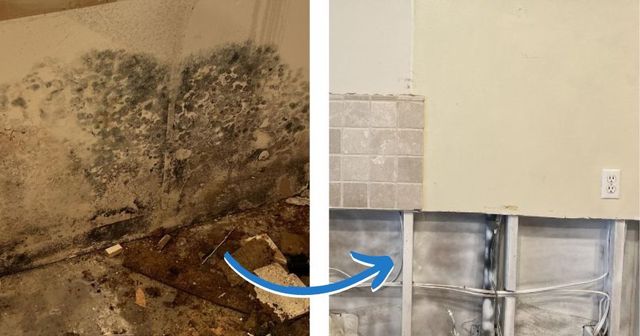
What Most People Get Wrong: Hidden Mold Insights for Homes in Plantation
Hidden mold doesn’t announce itself with flashing lights. In Plantation homes, it usually shows up quietly—a faint musty smell, a room that feels damp, allergies that kick up indoors. Most people notice something early…and then talk themselves out of it. That’s where things go sideways.
Let’s skip the fear tactics and get practical. These insights come straight from real inspections in Plantation. We’ll cover the biggest misconceptions, what hidden mold actually looks like in real life, and how to avoid turning a small issue into an expensive one.
Mistake #1: Thinking Mold Is Always Visible
This is the classic misread. Most mold we find isn’t visible at all.
Hidden mold commonly grows:
- Behind drywall after slow plumbing leaks
- Under kitchen and bathroom cabinets
- Inside HVAC air handlers and ductwork
- Above ceilings near roof penetrations
By the time mold shows on a wall, it’s usually been active for months. Ever wondered why it feels like mold “came out of nowhere”? It didn’t—it just stayed out of sight.
Mistake #2: Assuming “No Smell” Means No Mold
Smell helps—but it’s not required. Many Plantation homes with hidden mold don’t smell musty all the time.
What actually happens:
- Odors come and go with humidity
- AC circulation masks smells
- Mold stays localized behind materials
FYI—if a smell appears when the AC turns on or after rain, that timing matters. Don’t ignore patterns just because they aren’t constant.
Mistake #3: Blaming Everything on Humidity (and Doing Nothing)
Yes, Plantation humidity is real. No, that doesn’t mean you should shrug and move on.
High humidity:
- Feeds mold growth
- Keeps materials damp longer
- Worsens HVAC condensation
But humidity alone isn’t the problem. Hidden moisture sources are. A slow leak, clogged drain line, or poorly ventilated bathroom can create mold even when the rest of the house feels fine.
Where Hidden Mold Actually Shows Up in Plantation Homes
From real inspections, these spots come up again and again:
Behind Walls Near Plumbing
Old supply lines, aging valves, and tiny leaks add up. Drywall hides the problem until it doesn’t.
Under Cabinets and Vanities
Leaks don’t always drip onto the floor. They soak into particle board and sit there quietly.
HVAC Systems
Air handlers and ducts stay cool and damp. Once mold grows there, airflow helps it travel.
Attics and Ceilings
Roof leaks that “stopped” often leave moisture behind. Mold takes advantage.
IMO, checking these areas early saves the most money.
Mistake #4: Cleaning Surface Mold and Calling It Fixed
Good intentions, wrong strategy. Surface mold is usually a symptom, not the source.
What we see after DIY cleaning:
- The visible spot looks better
- Moisture remains
- Mold returns weeks later
- Frustration sets in
If mold keeps coming back, it’s telling you something. Listen to it.
HVAC Systems: The Hidden Mold Multiplier
HVAC doesn’t cause mold—but it can support and spread it when moisture isn’t controlled.
Early HVAC-related clues:
- Musty smells when the system starts
- Excess condensation near the air handler
- Dark buildup near vents
- Uneven airflow in rooms
Quick note: changing filters helps airflow, not mold growth inside the system. Different fix, different issue.
Hidden Mold and Health: Keeping It Honest
No scare talk here. Hidden mold doesn’t automatically mean serious health problems. But it can affect indoor air quality over time.
Common complaints we hear:
- Congestion indoors
- Headaches that improve outside
- Fatigue at home
- Allergy flare-ups in specific rooms
These don’t diagnose mold—but they do justify checking things out. Ignoring patterns costs more than investigating early.
Mold Testing: Useful, Not Mandatory
This gets misunderstood a lot. Testing supports decisions—it doesn’t find mold.
Testing helps when:
- Mold isn’t visible but symptoms exist
- HVAC involvement is suspected
- Multiple areas may be affected
- Documentation is needed
Testing doesn’t help when the moisture source and mold are already obvious. Keep it simple.
The Real Risk People Miss: Moisture That Never Got Fixed
Here’s the throughline in almost every Plantation case: moisture stayed too long.
Common sources we find:
- Slow plumbing leaks
- AC drain line issues
- Past water damage that “dried out”
- Poor ventilation in bathrooms
Remove the moisture, and mold loses its leverage. Always.
When a Mold Inspection Makes Sense
You don’t need to panic—but you do need clarity.
A mold inspection makes sense if:
- Odors persist or return
- Humidity stays high
- Past leaks occurred
- HVAC smells off
- Symptoms worsen indoors
Inspections replace guessing with facts. That alone saves money.
Practical Prevention Tips That Actually Work
No extremes—just consistency.
Expert-backed habits:
- Keep indoor humidity below 55%
- Fix leaks immediately (even small ones)
- Maintain AC drain lines and coils
- Use bathroom exhaust fans every time
- Don’t ignore musty smells
Small steps prevent big repairs. Every time.
Final Thoughts: Hidden Mold Isn’t Rare—But It Is Manageable
In Plantation homes, hidden mold is common, quiet, and very manageable when caught early. The real mistake isn’t having mold—it’s assuming you’d know for sure if something was wrong.
Trust patterns. Pay attention to moisture. And when something feels off, get answers early. That’s how hidden mold stays a small problem instead of a costly one.
