
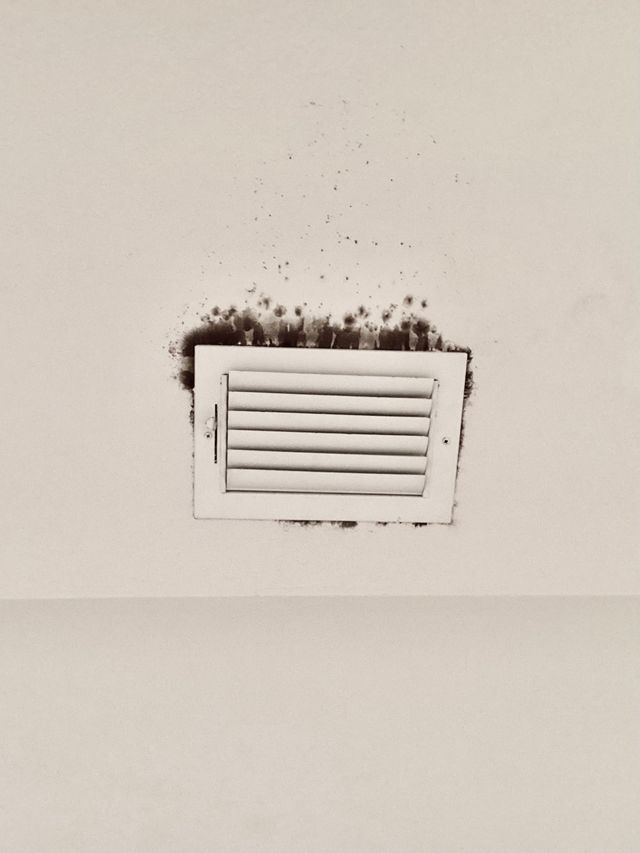
What Most People Get Wrong: HVAC Mold Insights for Homes in Lauderhill
Most homeowners think mold shows up on walls first. That assumption causes more HVAC mold problems than almost anything else I see in Lauderhill. Mold doesn’t wait for drywall to stain or ceilings to sag. It usually starts inside the HVAC system, quietly, where nobody looks.
I’ve inspected enough systems to say this plainly: people don’t misunderstand mold, they misunderstand HVAC systems. Let’s clear up what actually happens, what most people get wrong, and why ignoring HVAC mold costs comfort, air quality, and money.
The Biggest HVAC Mold Myth: “If the Air Feels Cool, It’s Fine”
Cool air fools people. If the house feels comfortable, homeowners assume the system works perfectly.
HVAC systems do more than cool air. They manage moisture, airflow, and filtration. When moisture control fails, mold gets comfortable even if temperatures feel great.
Cooling does not equal dehumidifying, especially in South Florida homes.
Why HVAC Systems Attract Mold So Easily
HVAC systems create moisture by design. Cooling warm, humid air always produces condensation.
That moisture shows up in:
- Evaporator coils
- Drain pans
- Condensate lines
- Duct interiors
When systems drain properly and receive maintenance, moisture leaves quickly. When they don’t, mold steps in.
Oversized HVAC Systems: A Common Lauderhill Mistake
Bigger Systems Create Smaller Comfort Windows
Many homes in Lauderhill run oversized HVAC units. Installers often choose “bigger to be safe,” but that logic backfires.
Oversized systems:
- Cool air too fast
- Shut off before removing enough moisture
- Leave humidity behind
The home feels cool but stays damp. Mold loves that environment.
Short Cycling Encourages Mold Growth
Short cycling prevents coils from staying cold long enough to pull moisture from the air.
That leads to:
- Condensation lingering inside the system
- Moist duct interiors
- Damp vents
People blame mold on “Florida humidity” while ignoring the equipment causing it.
Drain Pans and Lines: Where Mold Often Starts
Clogged Drain Lines Go Unnoticed
Condensate drain lines clog slowly. Algae, debris, and dust build up quietly.
When drains back up, water pools inside the air handler. That standing water feeds mold growth quickly.
Homeowners rarely notice until:
- Musty odors appear
- Water stains show up
- The system shuts down
By then, mold already spreads.
Rusted or Cracked Drain Pans
Older drain pans rust or crack over time. Small leaks drip moisture into cabinets or ceilings.
I see mold growth under air handlers far more often than homeowners expect. Most never think to look there.
Ductwork: The Mold Problem People Miss Completely
Condensation Inside Ducts
Ducts run through hot, humid spaces. When insulation fails or joints leak, condensation forms inside.
That moisture mixes with dust and debris already inside the duct system. Mold doesn’t need much more than that.
Once mold grows inside ducts, the system distributes spores throughout the home.
Leaky Ducts Pull Humid Air Inside
Leaky ducts don’t just lose air. They pull humid attic or wall cavity air into the system.
That humid air condenses inside cooler ducts, keeping them damp longer. Mold follows that moisture path every time.
Dirty Coils and Filters Make Mold Worse
Dirty Coils Hold Moisture Longer
Evaporator coils covered in dirt don’t drain moisture efficiently. Water clings to buildup instead of flowing away.
That lingering moisture creates ideal mold conditions right at the heart of the system.
Routine cleaning prevents this. Skipping maintenance invites growth.
Filters Don’t Fix Moisture Problems
People overestimate filters. Good filters trap particles, not moisture.
Dirty filters restrict airflow, which:
- Reduces moisture removal
- Causes uneven cooling
- Encourages condensation
Filters help air quality, but they don’t solve humidity issues by themselves.
The Smell Test: What Homeowners Misread
Musty Odors Aren’t “Normal HVAC Smells”
Many homeowners assume HVAC systems just smell musty sometimes. That belief causes delays.
Musty odors usually signal:
- Mold growth
- Standing moisture
- Dirty components
If the smell appears when the system runs, the system deserves attention.
Odors Often Appear Before Visible Mold
Mold inside HVAC systems releases odors long before homeowners see visible signs.
Ignoring smells gives mold time to spread further through ducts and vents.
Health Complaints Often Trace Back to HVAC Mold
Allergy Symptoms Worsen Indoors
When mold grows inside HVAC systems, exposure becomes consistent. Every cycle circulates spores.
Common complaints include:
- Congestion
- Sneezing
- Coughing
- Irritated eyes
People often blame pollen or pets while the HVAC system quietly contributes.
Long-Term Exposure Matters More Than Short Bursts
Brief exposure rarely causes major issues. Long-term exposure through daily air circulation does.
HVAC mold creates that ongoing exposure loop homeowners don’t realize exists.
Why DIY Fixes Miss the Mark
Sprays and Wipes Don’t Reach the Source
Surface cleaning doesn’t touch internal components. Mold inside coils, ducts, and air handlers stays untouched.
Spraying vents treats symptoms, not causes.
Bleach Isn’t an HVAC Solution
Bleach doesn’t belong in HVAC systems. It corrodes components and doesn’t prevent regrowth if moisture remains.
Moisture control stops mold, not chemicals alone.
What Proper HVAC Mold Prevention Actually Looks Like
Maintenance Makes the Biggest Difference
Regular HVAC maintenance addresses:
- Drain line clogs
- Dirty coils
- Moisture buildup
- Airflow issues
Homes with maintained systems show fewer mold issues over time.
Duct Sealing and Insulation Matter
Sealed ducts prevent humid air intrusion. Proper insulation reduces condensation.
These upgrades often solve mold problems homeowners chase for years.
Humidity Monitoring Changes Outcomes
Monitoring indoor humidity helps homeowners act early. High humidity alerts homeowners before mold appears.
FYI, humidity control often improves comfort as much as temperature adjustments.
Lessons From Real HVAC Inspections in Lauderhill
After inspecting countless systems, the pattern stays consistent. HVAC mold doesn’t come from neglect alone. It comes from misunderstanding.
Homeowners assume:
- Cooling equals moisture control
- Smells aren’t serious
- Mold shows up visibly first
Those assumptions delay action.
Homeowners who understand their HVAC systems:
- Catch moisture problems early
- Spend less on cleanup
- Breathe cleaner air
What Homeowners Should Do Instead
Start simple. Awareness beats panic.
Smart steps include:
- Scheduling regular HVAC maintenance
- Inspecting drain lines and pans
- Sealing and insulating ductwork
- Monitoring indoor humidity
- Addressing odors early
IMO, these steps prevent more mold than any single product or shortcut ever will.
Final Thoughts: HVAC Mold Grows Where Assumptions Live
Most HVAC mold problems don’t start with negligence. They start with misunderstandings. Homes in Lauderhill face real humidity challenges, and HVAC systems sit at the center of that battle.
When homeowners stop assuming and start inspecting, mold loses its advantage. Understanding your HVAC system costs far less than ignoring it, and the payoff shows up in comfort, air quality, and peace of mind.
