
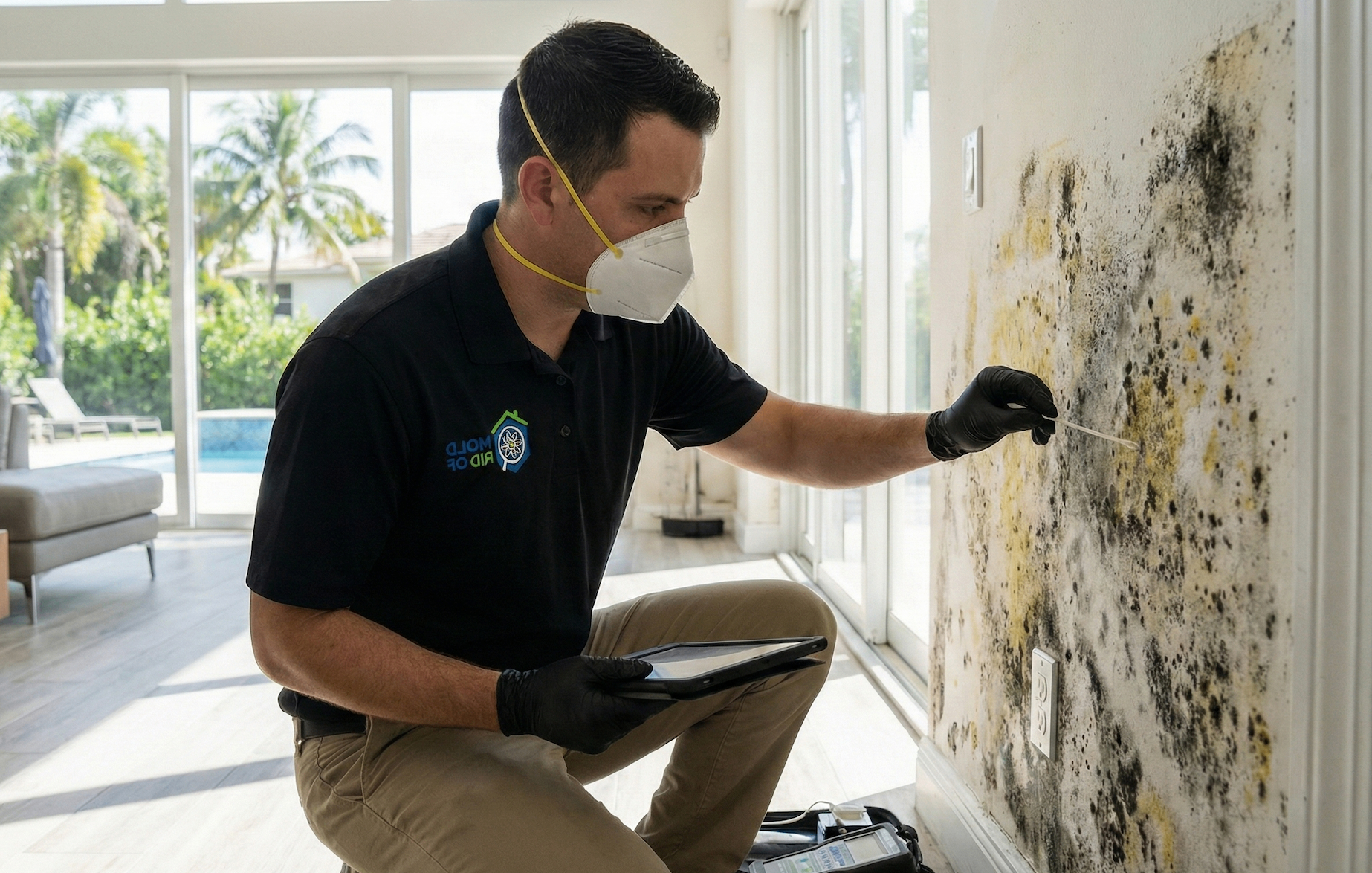
What Most People Get Wrong: Mold Inspection Insights for Homes in Oakland Park
Most homeowners in Oakland Park think they understand mold inspection. They usually don’t—and that’s not an insult. It’s a reflection of how much bad, half-baked information floats around online and gets repeated like fact. People assume mold inspection equals bad news, huge bills, or someone trying to scare them into unnecessary work. None of that helps anyone.
What actually causes problems is misunderstanding what mold inspection is supposed to do. Mold inspection exists to replace assumptions with facts, not to push panic. We see the same mistakes over and over inside Oakland Park homes, so let’s clear them up and talk about what really matters.
Mistake #1: Thinking Mold Inspection Is Only About Visible Mold
This one sits at the top of the list.
Mold Rarely Starts Where You Can See It
If mold waited politely on open walls, life would be easier. Instead, it prefers:
- Inside wall cavities
- Behind cabinets
- Under flooring
- Inside HVAC systems
- In attics with limited airflow
By the time mold becomes obvious, it usually isn’t new. Mold inspection focuses on what you can’t see, not just what catches your eye.
Mistake #2: Assuming Mold Inspection Automatically Means Remediation
A lot of homeowners avoid inspections because they fear the outcome.
Inspection Does Not Equal a Sales Pitch
A proper mold inspection:
- Identifies whether mold exists
- Determines how much mold exists
- Locates moisture sources
- Assesses risk level
Sometimes the result surprises people. Not every inspection ends with remediation. Sometimes the solution involves moisture control, ventilation fixes, or monitoring instead of removal.
Skipping inspection out of fear often leads to bigger problems later.
Why Oakland Park Homes Face Mold Risks So Often
Location and construction play a role.
Florida Conditions Favor Mold Growth
Oakland Park homes deal with:
- High year-round humidity
- Frequent rain
- Heavy AC usage
- Older construction mixed with renovations
These factors create moisture conditions that allow mold to grow quietly, even in well-maintained homes.
Mistake #3: Believing All Mold Is Dangerous
This belief fuels panic and bad decisions.
Mold Risk Depends on Context
Not all mold creates health issues. Risk depends on:
- Amount of mold present
- Duration of exposure
- Airflow patterns
- Individual sensitivity
- Moisture conditions
Mold inspection helps determine whether mold poses a real concern or a manageable one. Without inspection, homeowners either overreact or ignore genuine problems.
Hidden Mold: The Risk Most Homeowners Underestimate
Visible mold gets attention. Hidden mold causes long-term trouble.
Where We Commonly Find Hidden Mold
During inspections in Oakland Park homes, we frequently discover mold:
- Inside wall cavities near bathrooms
- Under kitchen sinks
- Around HVAC air handlers
- In attic insulation
- Beneath flooring near exterior walls
Hidden mold often explains recurring odors, allergies, and repeat surface growth that cleaning never fixes.
Mistake #4: Confusing Mold Inspection With Mold Testing
These terms get mixed together constantly.
Mold Inspection Comes First
Inspection focuses on:
- Visual assessment
- Moisture detection
- Identifying conditions that support mold
Mold Testing Supports Inspection When Needed
Testing helps when:
- Symptoms exist without visible mold
- Air quality concerns persist
- HVAC contamination seems likely
- Documentation matters for real estate or legal reasons
Testing without inspection wastes money. Inspection without testing often provides enough answers.
HVAC Systems: The Mold Pathway Most People Miss
HVAC systems don’t create mold, but they spread it efficiently.
Why HVAC Inspection Matters
We often find mold inside:
- Air handlers
- Evaporator coils
- Drain pans
- Duct liners
Once mold enters the HVAC system, spores circulate throughout the home. Mold inspection always evaluates HVAC components for this reason.
Ignoring HVAC contamination explains why mold keeps appearing in different rooms.
Mistake #5: Waiting for a Strong Mold Smell
Smell feels like a reliable indicator. It isn’t.
Mold Doesn’t Always Smell
Many Oakland Park homes with confirmed mold issues had:
- No strong odor
- No visible vent contamination
- No obvious water damage
Homeowners noticed symptoms before smells. Relying on odor delays inspection and allows mold to spread.
Moisture: The Real Driver Behind Mold Problems
Mold never becomes an issue without moisture.
Common Moisture Sources in Oakland Park Homes
- AC condensation issues
- Roof leaks
- Plumbing leaks behind walls
- Poor attic ventilation
- High indoor humidity
Mold inspection focuses heavily on moisture because fixing mold without fixing moisture guarantees repeat growth.
Mistake #6: Assuming DIY Checks Are Enough
Flashlights and online kits create false confidence.
DIY Checks Miss Critical Details
Homeowners usually miss:
- Hidden damp areas
- Subsurface mold growth
- HVAC contamination
- Cross-contamination patterns
Professional inspection uses moisture meters, thermal imaging, and experience to find what eyes can’t see.
Mold Inspection Protects Property Value
Health matters, but property protection matters too.
Financial Risks of Undetected Mold
Hidden mold can:
- Damage drywall and framing
- Compromise insulation
- Reduce resale value
- Complicate real estate transactions
- Increase repair costs over time
Early inspection protects both the home and the investment.
Mold Removal vs Mold Remediation: Why Inspection Comes First
Skipping inspection causes failed remediation.
Mold Removal Without Inspection Fails Because:
- Scope gets underestimated
- Hidden mold remains
- Moisture continues feeding growth
Mold Remediation Works When:
- Inspection identifies all affected areas
- Moisture sources get corrected
- Containment prevents spore spread
- Air quality improves
Inspection guides every successful remediation plan.
When Mold Inspection Actually Saves Money
Avoiding inspection feels cheaper. It rarely is.
Inspection Prevents:
- Unnecessary remediation
- Repeated cleanup attempts
- Escalating damage
- Long-term health issues
Early inspection almost always costs less than delayed action.
Real Signs an Oakland Park Home Needs Mold Inspection
Not every home needs inspection. Certain signs justify it.
Watch for:
- Musty odors that come and go
- Mold returning after cleaning
- Allergy symptoms worsening indoors
- Water damage history
- Persistent indoor humidity
Patterns matter more than single symptoms.
Why Local Mold Knowledge Matters in Oakland Park
Florida mold behaves differently than mold elsewhere.
Local experience helps inspectors understand:
- Regional humidity patterns
- Common construction methods
- Typical HVAC designs
- Frequent moisture problem areas
Generic advice misses Florida-specific risks.
Final Thoughts: Mold Inspection Works Best Without Fear
Mold inspection doesn’t need scare tactics to be valuable. Facts do the work. For homeowners in Oakland Park, understanding what mold inspection actually does removes fear and replaces it with clarity.
When homeowners stop guessing and start inspecting, small problems stay manageable. That’s the real value of mold inspection—answers, not panic, and solutions that actually last.
