
What Most People Get Wrong: Mold Remediation Insights for Homes in Lauderhill
Most homeowners think mold remediation means one thing: remove the mold and move on. That assumption causes more repeat problems than almost anything else I see in Lauderhill. Mold remediation isn’t just about cleaning what you see. It’s about understanding why the mold showed up in the first place and stopping it from coming back.
I’ve walked into plenty of homes where remediation “worked” for a few months, then failed quietly. Let’s talk about what people get wrong, what actually works, and why cutting corners always costs more in the end.
The Biggest Misunderstanding: Mold Removal vs. Mold Remediation
People use these terms interchangeably, but they don’t mean the same thing.
Mold removal focuses on cleaning visible growth. Mold remediation addresses the entire problem, including moisture sources, airflow, and hidden contamination.
When remediation skips moisture control, mold almost always returns. Not because the cleaning failed, but because the conditions stayed perfect for regrowth.
If moisture stays, mold stays.
“I Can Just Clean It Myself” – Why That Logic Fails
Surface Cleaning Misses the Real Problem
DIY cleaning handles surface mold at best. It doesn’t reach:
- Wall cavities
- HVAC systems
- Duct interiors
- Insulation
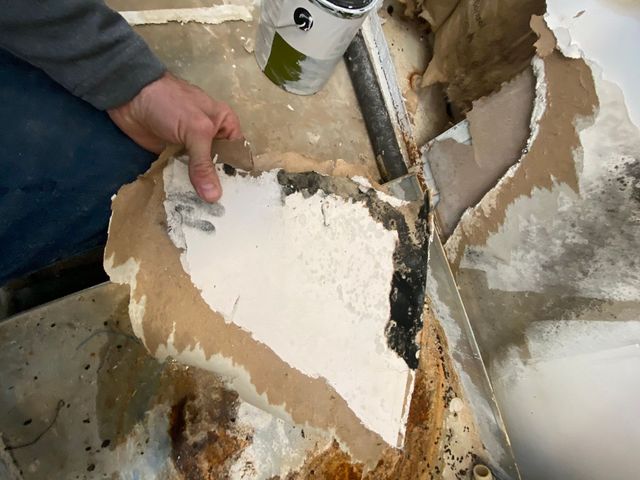
Mold often grows behind drywall or inside systems homeowners never see. Cleaning visible spots treats symptoms, not causes.
Bleach Isn’t a Remediation Tool
Bleach doesn’t solve mold problems in homes. It doesn’t penetrate porous materials well, and it doesn’t stop future growth.
Worse, bleach can:
- Damage building materials
- Leave moisture behind
- Give false confidence
Professional remediation focuses on removal, containment, and drying—not chemical shortcuts.
Why Containment Matters More Than People Think
Mold Spreads Through Disturbance
Mold spores don’t need help traveling. When homeowners scrape, wipe, or sand mold without containment, spores spread into clean areas.
I’ve seen small mold problems turn into whole-home contamination simply because containment got ignored.
Proper remediation uses:
- Physical barriers
- Controlled airflow
- HEPA filtration
Containment protects the rest of the house while work happens.
Skipping Containment Increases Cleanup Costs
Without containment, remediation zones expand. More rooms become affected. More cleaning becomes necessary.
Containment isn’t overkill. It’s cost control.
Moisture Control: The Step People Rush or Skip
Fixing the Mold Without Fixing the Moisture
This mistake shows up constantly. Homeowners remove mold but delay fixing leaks, humidity, or ventilation issues.
Common missed moisture sources include:
- HVAC condensation
- Leaky ductwork
- Bathroom ventilation failures
- Slow plumbing leaks
Mold remediation without moisture control guarantees repeat visits.
Humidity Control Makes or Breaks Results
In Lauderhill, humidity stays aggressive. Even without leaks, high humidity alone supports mold growth.
Homes that don’t monitor or control indoor humidity struggle with recurring mold issues.
Dry conditions prevent regrowth. Wet conditions invite it back.
HVAC Systems: Where Remediation Often Falls Short
Ignoring the HVAC System Invites Regrowth
Mold remediation often focuses on rooms while ignoring HVAC systems. That oversight causes problems fast.
If mold exists inside:
- Air handlers
- Drain pans
- Ductwork
Then spores keep circulating even after room cleanup. Mold doesn’t need to regrow from scratch. It already lives inside the system.
Partial HVAC Cleaning Doesn’t Solve Exposure
Wiping vents doesn’t clean ducts. Cleaning ducts without addressing moisture doesn’t last.
Effective remediation considers the HVAC system as part of the home, not a separate issue.
“If I Can’t See Mold, It’s Gone” – Another Costly Myth
Hidden Mold Causes the Most Repeat Problems
Mold loves hidden spaces. Wall cavities, attics, and under flooring provide stable conditions.
I often see remediation fail because hidden areas never got inspected or tested.
Visible mold usually represents a small part of the problem. Ignoring hidden growth leaves the door open for recurrence.
Odors Often Signal Lingering Issues
Musty smells after remediation usually mean something got missed. Odors don’t come from clean, dry environments.
When smells linger, mold often does too.
Testing Before and After Remediation Matters
Skipping Testing Leads to Guesswork
Some homeowners skip testing to save money. That choice often backfires.
Testing helps:
- Identify affected areas
- Measure severity
- Guide remediation scope
Without testing, remediation relies on assumptions instead of data.
Post-Remediation Verification Protects Homeowners
Post-remediation testing confirms cleanup success. It ensures spore levels return to normal ranges.
This step protects homeowners from paying twice for the same problem.
Verification costs less than repeating remediation.
Why Cheap Remediation Quotes Usually Cost More Later
Shortcuts Hide in Low Prices
Low-cost remediation often skips:
- Proper containment
- Full moisture assessment
- HVAC evaluation
- Post-remediation testing
Those shortcuts reduce upfront cost but increase long-term risk.
Repeat Remediation Adds Up Fast
Homeowners who choose incomplete remediation often pay again months later. Each repeat visit costs more than doing it right once.
In real inspections, cheap fixes rarely stay cheap.
Health Complaints Persist When Remediation Misses the Mark
Ongoing Exposure Comes From Incomplete Work
When mold remains inside ducts or hidden spaces, exposure continues daily.
Homeowners often report:
- Allergy symptoms that never fully resolve
- Persistent coughing or congestion
- Headaches or fatigue
Remediation that stops growth and exposure improves indoor comfort noticeably.
Long-Term Exposure Matters More Than One Cleanup
One-time cleaning doesn’t protect against long-term exposure. Proper remediation addresses conditions permanently, not temporarily.
What Proper Mold Remediation Actually Includes
Effective remediation focuses on systems, not spots.
It typically includes:
- Identifying and fixing moisture sources
- Proper containment during removal
- Removal of contaminated materials
- Cleaning HVAC components when affected
- Drying and dehumidifying spaces
- Verification testing after completion
Each step supports the next. Skipping one weakens the entire process.
Lessons From Real Remediation Projects in Lauderhill
After reviewing countless remediation jobs, one lesson stays consistent. Mold remediation fails most often because people rush it.
Homes that follow full remediation protocols:
- Experience fewer recurrences
- Spend less long-term
- Improve indoor air quality
- Avoid repeated disruption
Homes that cut corners usually repeat the process later.
What Homeowners Should Do Before Hiring Remediation
Before signing anything, homeowners should ask:
- What moisture issues caused the mold?
- How will containment protect the home?
- Will HVAC systems be evaluated?
- Is post-remediation testing included?
If those answers stay vague, expect vague results.
FYI, clarity upfront saves frustration later.
Final Thoughts: Mold Remediation Fails When Understanding Fails
Most mold remediation problems don’t come from bad intentions. They come from misunderstandings. Mold remediation isn’t about wiping surfaces or rushing timelines. It’s about breaking the moisture-mold cycle completely.
Homes in Lauderhill face constant humidity pressure. When remediation addresses causes instead of symptoms, mold loses its advantage. Doing it right once always costs less than doing it halfway twice, and that lesson shows up in home after home.
