
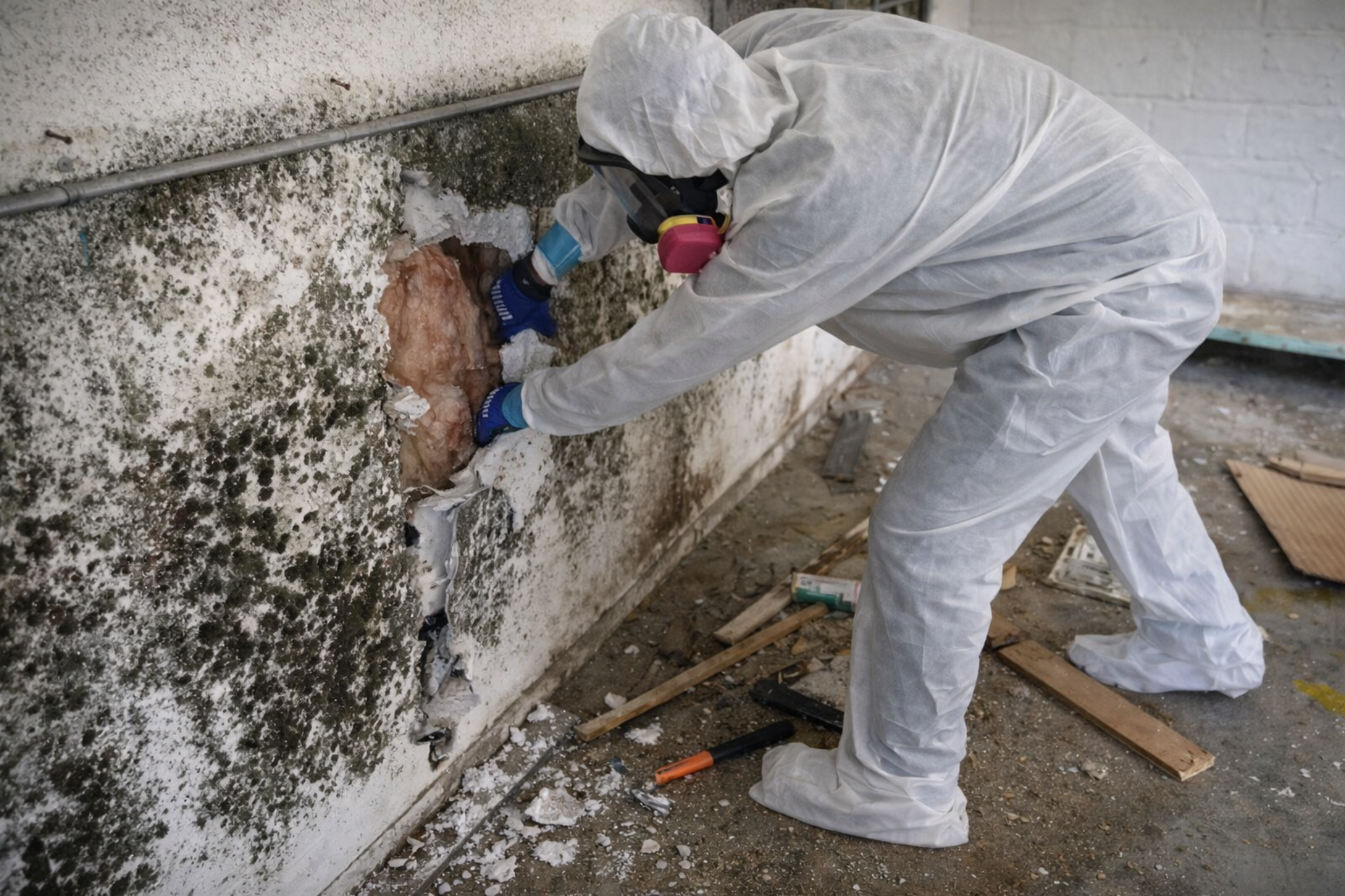
What Most People Get Wrong: Mold Removal Insights for Homes in Florida
Mold removal sounds simple—clean it, dry it, move on. But after seeing how mold behaves in homes across Florida, one thing is clear: most frustration comes from misunderstanding what mold removal actually is.
This isn’t about scare tactics or sales pressure. It’s about clearing up the biggest misconceptions so homeowners don’t get stuck in the clean–regrow–repeat cycle.
Mistake #1: Thinking Mold Removal Is the Same as Mold Cleaning
This is the most common mix-up.
- Cleaning removes visible mold on surfaces
- Removal addresses contaminated materials and the conditions that allowed growth
In Florida’s humid climate, wiping a surface without fixing moisture is like mopping with the faucet still running.
Mistake #2: Believing Bleach “Kills Mold for Good”
Bleach can make stains disappear fast—but that doesn’t mean the problem is gone.
On porous materials like drywall, wood, and grout:
- Bleach doesn’t penetrate deeply
- Moisture remains behind
- Mold roots survive beneath the surface
That’s why mold often comes back in the exact same spot weeks later.
Mistake #3: Ignoring the Moisture Source
Mold removal fails most often because the cause isn’t fixed.
Across Florida homes, mold is usually fed by:
- High indoor humidity
- AC condensation and drainage issues
- Small plumbing or roof leaks
- Poor airflow in closets and spare rooms
Remove mold without stopping moisture, and you’ve only bought time—not a solution.
Mistake #4: Assuming Mold Only Grows Where You See It
Visible mold is rarely the full picture.
Inspections frequently uncover mold:
- Behind drywall and baseboards
- Inside HVAC systems and ductwork
- Under sinks with slow leaks
- Inside insulation holding moisture
Surface cleanup doesn’t reach these areas, which is why problems feel “mysterious.”
Mistake #5: Thinking Mold Removal Shouldn’t Disrupt the Home
Proper mold removal sometimes involves controlled disruption—and that’s not a bad thing.
Effective removal may require:
- Containment to prevent spore spread
- Removal of contaminated materials
- HEPA air filtration during work
- Thorough drying before repairs
Skipping these steps to keep things “easy” often leads to repeat growth.
Mistake #6: Waiting Until Mold Is Obvious
In Florida, waiting is expensive.
Mold thrives quietly in high humidity. By the time it’s visible:
- Growth has often spread
- More materials may be affected
- Remediation becomes larger and costlier
Early action almost always means simpler solutions.
What Mold Removal Actually Means (Done Right)
Successful mold removal focuses on:
- Identifying and fixing moisture sources
- Removing contaminated materials when necessary
- Containing and controlling airborne spores
- Drying the environment thoroughly
- Preventing conditions that allow regrowth
When those steps are followed, mold doesn’t “come back.”
Why Florida Homes Need a Smarter Approach
Florida homes face:
- Year-round humidity
- Constant AC use
- Condensation inside walls and HVAC systems
- Materials that stay damp just long enough for mold to thrive
That means mold removal has to be systematic, not cosmetic.
The Real Takeaway
The biggest thing people get wrong about mold removal is thinking it’s about killing mold.
It’s not.
In Florida homes, mold removal is about removing moisture, contaminated materials, and the conditions mold depends on. Do that, and mold loses the advantage. Skip it, and the problem keeps returning—no matter how many times you clean.
No fear. No hype. Just how mold actually works—and how to stop it for good.
