
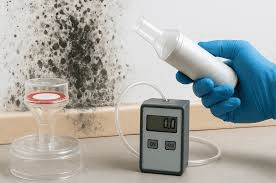
What Most People Get Wrong: Mold Testing Insights for Homes in Deerfield Beach
Mold testing is one of the most misunderstood services among homeowners in Deerfield Beach. Some people assume it’s a scam, others think it’s only needed when mold is clearly visible, and many believe testing alone somehow “fixes” a mold problem. In South Florida, where humidity and moisture are part of daily life, these misunderstandings often lead to delayed action and bigger problems later.
Let’s clear up what most people get wrong about mold testing, explain what it actually does, and help Deerfield Beach homeowners make informed, practical decisions—without fear tactics or confusion.
Mistake #1: Thinking Mold Testing Is Only Needed When Mold Is Visible
One of the most common misconceptions is that mold testing is unnecessary unless you can see mold.
In reality, mold testing is most useful when:
- Mold is suspected but not visible
- Musty odors persist without an obvious source
- Allergy or respiratory symptoms worsen indoors
- Mold keeps returning after cleaning
- HVAC systems may be involved
In Deerfield Beach homes, mold often grows behind walls, under flooring, or inside ductwork—places you’ll never see without testing.
Mistake #2: Believing Mold Testing Is the Same as Mold Inspection
Many homeowners confuse mold inspection with mold testing, but they are not the same.
- Inspection focuses on identifying moisture sources and visible problem areas
- Testing measures airborne spores or surface contamination
Testing without inspection can miss the root cause. Inspection without testing can miss hidden contamination. When used correctly, they complement each other.
Mistake #3: Assuming Mold Testing Tells You If Mold Is “Dangerous”
Mold testing does not determine whether mold is “toxic” or predict specific health outcomes.
What testing actually does:
- Identifies spore levels indoors
- Compares indoor levels to outdoor baselines
- Helps locate hidden mold sources
- Confirms whether mold is likely contributing to indoor air issues
Health effects depend on exposure duration, individual sensitivity, and moisture conditions—not just test numbers.
Mistake #4: Thinking Mold Testing Is a Cure
Mold testing is diagnostic, not corrective.
Testing does not:
- Remove mold
- Kill spores
- Fix moisture problems
Its value lies in guiding next steps, such as remediation, moisture repair, or HVAC evaluation. Skipping testing often leads to guesswork and ineffective cleanup.
Mistake #5: Believing DIY Mold Test Kits Are Reliable
Store-bought mold test kits are popular—but often misleading.
Common problems include:
- Mold spores are always present in Florida air
- Kits don’t identify moisture sources
- Results lack professional interpretation
- False positives cause unnecessary panic
Professional testing considers building conditions, airflow, humidity, and outdoor comparisons—something DIY kits cannot do.
Mistake #6: Thinking Mold Testing Is a Scam or Upsell
While poor-quality services exist in every industry, mold testing itself is not inherently unnecessary.
In Deerfield Beach, testing is especially useful because:
- High humidity masks moisture problems
- Mold growth is often hidden
- HVAC systems frequently contribute to exposure
When performed for the right reasons, testing provides clarity—not fear.
Mistake #7: Ignoring HVAC Systems During Mold Testing
One of the biggest oversights is assuming mold testing only applies to walls or bathrooms.
In many Deerfield Beach homes, mold originates in:
- Air ducts
- Air handlers
- Evaporator coils
- Drain pans and drain lines
If HVAC systems aren’t evaluated, testing may miss the true source of exposure.
Mistake #8: Waiting Too Long to Test
Homeowners often delay testing until mold becomes obvious.
This allows:
- Mold to spread
- Spore levels to increase
- Health symptoms to worsen
- Remediation costs to rise
Early testing is usually less disruptive and more cost-effective.
When Mold Testing Actually Makes Sense
Experts commonly recommend mold testing when:
- Musty odors persist
- Health symptoms worsen indoors
- Mold returns after cleaning
- Moisture sources are unclear
- Buying or selling a home
- After water damage
Testing is about answers, not assumptions.
What Mold Testing Can and Can’t Do
Mold testing can:
- Confirm hidden mold presence
- Identify problem areas
- Support remediation decisions
- Provide peace of mind
Mold testing can’t:
- Replace remediation
- Eliminate mold
- Guarantee health outcomes
Understanding this difference prevents disappointment and confusion.
Practical Advice for Deerfield Beach Homeowners
Experts recommend combining testing with prevention:
- Keep indoor humidity below 55%
- Address leaks immediately
- Maintain HVAC systems regularly
- Investigate odors early
- Avoid repeated DIY cleanups
Testing works best as part of a larger moisture management strategy.
Final Thoughts for Deerfield Beach Homeowners
Mold testing isn’t something to fear—and it isn’t something to ignore. What most people get wrong is expecting testing to be either a cure or a scam.
In Deerfield Beach, where moisture is unavoidable, mold testing is simply a tool. When used correctly, it provides clarity, direction, and confidence in how to protect your home and your indoor air quality.
The smartest decisions come from understanding what mold testing does—and what it doesn’t—before problems grow larger than they need to be.
