
What Most People Get Wrong: Mold Testing Insights for Homes in Fort Lauderdale
Mold testing gets misunderstood more than almost any other home service. Some homeowners think it’s a scam. Others think it’s a guaranteed disaster report waiting to happen. After inspecting plenty of homes in Fort Lauderdale, I can tell you this plainly: mold testing isn’t the problem. Bad expectations are.
Most expensive mold situations don’t start with mold. They start with assumptions. Let’s clear up what people get wrong, what mold testing actually does, and how Fort Lauderdale homeowners can use it without wasting money or losing sleep.
Mistake #1: Thinking Mold Testing Is Only About Finding Mold
This one causes a lot of confusion right out of the gate. Homeowners assume mold testing exists solely to confirm mold.
That’s only half the story.
Mold testing helps answer much bigger questions:
- Is mold affecting indoor air quality?
- Is there likely hidden growth?
- Is exposure elevated compared to outdoors?
- Does the situation require action or monitoring?
Testing is about exposure and conditions, not just proving mold exists somewhere in the house.
Mistake #2: “If I Don’t See Mold, Testing Is Pointless”
This assumption costs homeowners more than they realize.
Mold rarely starts in visible places. It prefers:
- Inside wall cavities
- Behind cabinets
- Under flooring
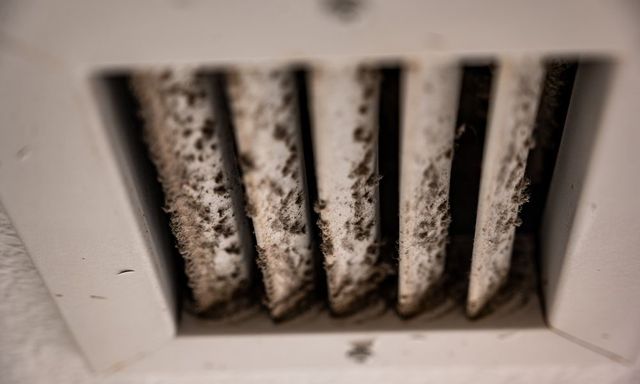
- Inside HVAC systems
- Above ceilings
By the time mold becomes visible, it usually isn’t new. Testing often detects elevated spore levels long before stains or damage show up.
In Fort Lauderdale’s humid climate, hidden growth shows up far more often than people expect.
What Mold Testing Actually Measures
It Measures Air, Not Just Surfaces
Most professional mold testing focuses on air sampling. That matters because people breathe air, not walls.
Air samples show:
- Spore concentration
- Types of spores present
- Whether indoor levels exceed outdoor levels
That comparison tells inspectors whether something inside the home feeds mold growth.
It Provides Context, Not Conclusions
Testing doesn’t scream “panic” or “all clear” on its own. Results need interpretation.
Experienced inspectors combine test results with:
- Visual inspections
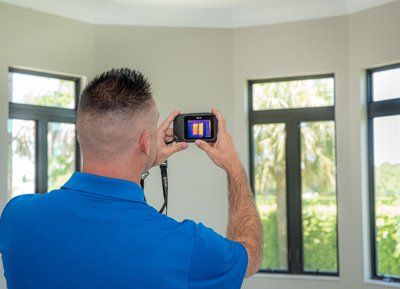
- Moisture readings
- HVAC evaluations
- Building history
Without context, test results don’t mean much.
Mistake #3: Assuming Mold Testing Automatically Means Remediation
This myth scares homeowners away from testing more than anything else.
Testing doesn’t force remediation. It informs decisions.
I’ve seen plenty of Fort Lauderdale homes where testing showed:
- Normal indoor mold levels
- Minor elevation that required monitoring only
- Moisture issues without mold growth yet
Testing often saves homeowners from unnecessary remediation, not the other way around.
Why Fort Lauderdale Homes Complicate Mold Testing
Humidity Changes the Baseline
Mold spores exist everywhere, especially in South Florida. Outdoor spore levels run higher than in dry climates.
That’s why proper testing always includes outdoor samples. Without that comparison, indoor results don’t tell the full story.
Fort Lauderdale’s humidity means:
- Mold grows faster
- Exposure builds more easily
- Moisture issues matter more than mold names
Coastal Conditions Stress HVAC Systems
Salt air and constant humidity wear HVAC components faster. Drain pans rust sooner. Coils collect buildup quicker.
Those factors increase the chance of mold growth inside systems that move air daily. Testing often reveals HVAC-related exposure homeowners never suspected.
Mistake #4: Overreacting to Mold Names
People fixate on mold labels. If a report lists something that sounds scary, stress levels spike.
Here’s the reality. The amount of mold and duration of exposure matter far more than the name.
Small amounts of mold don’t usually cause problems. Elevated levels over long periods do.
Experienced inspectors focus on:
- Concentration
- Location
- Exposure pathways
- Moisture conditions
Names matter less than numbers and patterns.
Mistake #5: Trusting DIY Mold Test Kits
DIY mold kits seem convenient. They also cause unnecessary anxiety.
Most DIY kits:
- Don’t include outdoor comparisons
- Grow mold in normal homes
- Provide no interpretation
- Offer no guidance on next steps
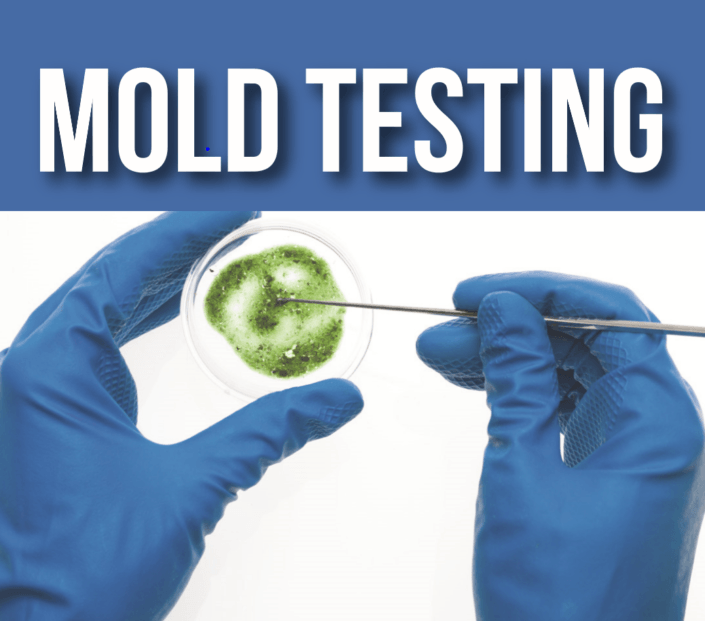
Mold spores land everywhere. A petri dish growing mold doesn’t mean you have a problem.
Without context, results confuse more than they help.
How HVAC Systems Skew Mold Test Results
HVAC Mold Creates Continuous Exposure
When mold grows inside air handlers or ductwork, spores circulate every time the system runs.
That exposure pattern shows up clearly in air samples near:
- Supply vents
- Return vents
- Air handlers
Testing helps identify whether the HVAC system contributes to indoor exposure.
Oversized Systems Show Up in the Data
Oversized HVAC systems cool air quickly but remove less moisture. That leaves humidity behind.
Testing often reveals:
- Elevated indoor spore levels
- Moisture-related mold patterns
- Air quality complaints without visible mold
Cooling alone doesn’t protect air quality.
Mistake #6: Testing Too Late
Many homeowners wait until:
- Allergy symptoms worsen
- Musty odors persist
- Visible mold appears
- Water damage spreads
By then, testing still helps, but remediation scope usually increases.
Homes tested early often need:
- Moisture control
- HVAC maintenance
- Ventilation improvements
Homes tested late often require:
- Material removal
- Larger containment areas
- Higher labor costs
Timing changes everything.
Mistake #7: Testing Without a Plan
Testing without knowing how results guide action wastes money.
Before testing, professionals usually ask:
- What symptoms exist?
- Where moisture may be present?
- What decisions depend on results?
Testing works best when homeowners know what they’ll do with the information.
FYI, testing should support decisions, not create new questions.
What Mold Testing Does Well When Used Correctly
Used properly, mold testing helps homeowners:
- Confirm or rule out exposure
- Identify hidden problem areas
- Avoid unnecessary demolition
- Limit remediation scope
- Fix moisture sources accurately
Testing replaces guessing with data. Data saves money.
What Mold Testing Doesn’t Do
Let’s be clear.
Mold testing does not:
- Fix mold
- Identify moisture sources by itself
- Guarantee remediation
- Predict future problems without context
Testing supports inspections. It doesn’t replace them.
Lessons From Real Homes in Fort Lauderdale
After reviewing countless reports, one pattern stands out. Homes with good moisture control test cleaner.
Homes with:
- High humidity
- Poor ventilation
- HVAC maintenance gaps
- Hidden leaks
show elevated mold findings more often. Testing doesn’t cause the issue. It reveals it.
Homeowners who understand this use testing as a tool instead of fearing it.
How Homeowners Should Approach Mold Testing
Smart homeowners keep it simple:
- Test when there’s a reason
- Pair testing with inspection
- Focus on moisture first
- Ask for interpretation, not just numbers
- Act early to limit costs
IMO, mold testing works best when homeowners treat it like information, not a verdict.
Final Thoughts: Mold Testing Fails Only When Expectations Do
Most people don’t get mold testing wrong because they don’t care. They get it wrong because nobody explains what it’s actually for.
Homes in Fort Lauderdale face constant humidity pressure. Mold testing helps homeowners respond intelligently instead of react emotionally. When used correctly, testing saves money, limits damage, and protects indoor air quality, and that’s exactly what it’s supposed to do.
