
What Most People Get Wrong: Mold Testing Insights for Homes in Lauderhill
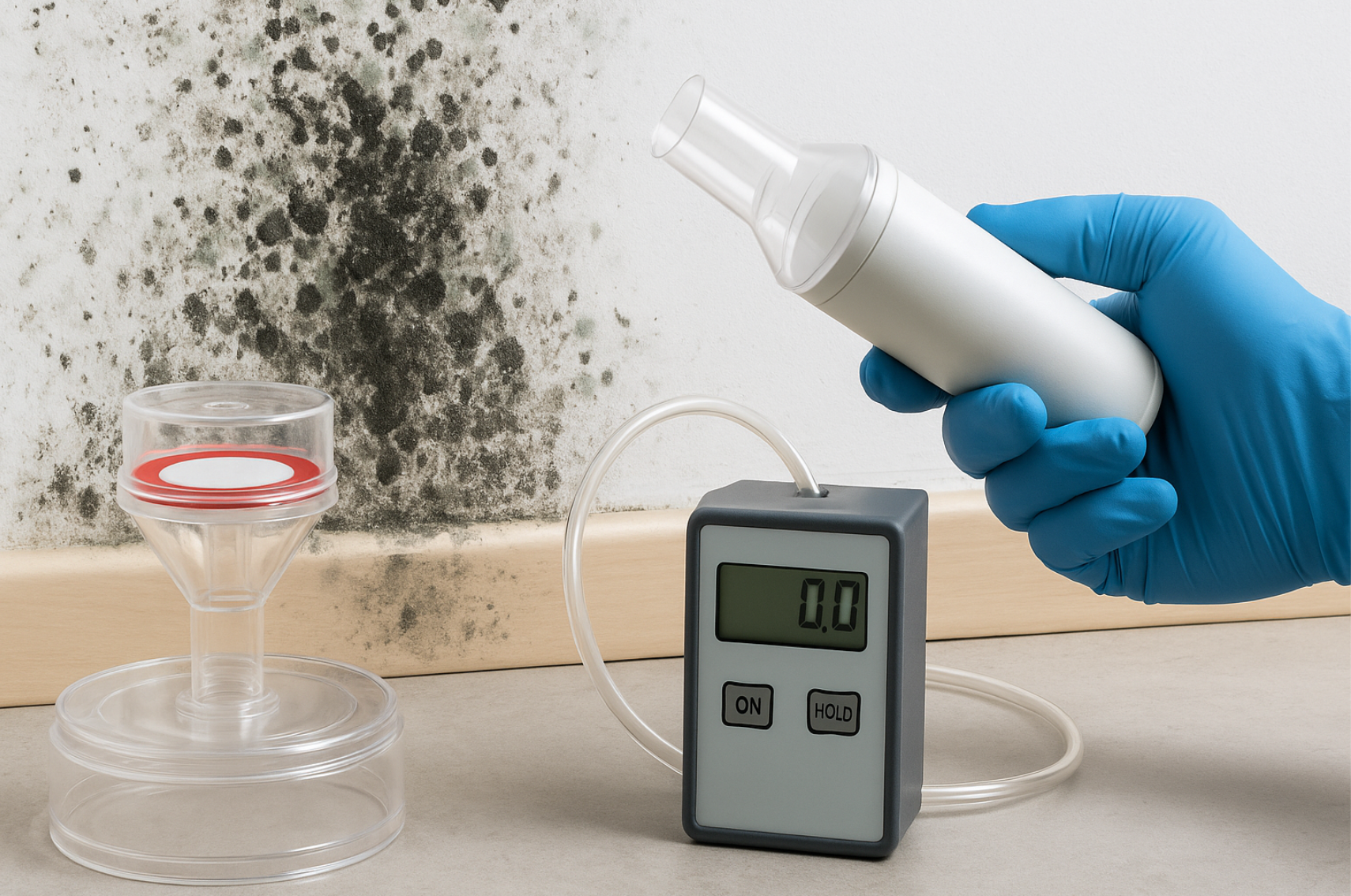
Let’s clear this up right away.
When homeowners in Lauderhill call and say, “I just need a mold test,” I usually ask one simple question:
What are we testing for?
Because here’s what most people get wrong — mold testing doesn’t fix anything. It gives data. And if you don’t understand what that data means, you waste money chasing numbers.
Ever seen someone test three times and still not solve the problem? Yeah. It happens.
Let’s break this down properly.
First: Mold Exists in Every Home
This part surprises people.
Mold spores float in outdoor air all the time. Every home contains some level of spores. Zero mold doesn’t exist.
So when someone says, “I want to see if I have mold,” the real question should be:
Are indoor spore levels elevated compared to outdoor levels?
That’s what proper testing measures.
Testing looks for imbalance — not existence.
Myth #1: One Air Sample Tells the Whole Story
Nope.
Professional mold testing requires comparison.
A proper test includes:
- Outdoor control sample
- One or more indoor air samples
- Moisture readings
- Visual inspection
Without an outdoor baseline, indoor numbers don’t mean much.
Lauderhill’s humid climate often produces higher outdoor spore levels than drier states. Context matters.
Fact: Testing Doesn’t Locate Mold
Air testing measures airborne spores. It does not tell you:
- Where mold grows
- Why it grows
- Whether moisture remains active
- How far contamination spread
Inspection finds moisture sources. Testing confirms air quality impact.
If you skip inspection and only test, you’re guessing.
And guessing costs money.
Why Lauderhill Homes Have Testing Challenges
Homes in Lauderhill share similar conditions with nearby cities like Sunrise and Plantation.
Common factors include:
- High humidity
- Heavy storm exposure
- AC systems running daily
- Older plumbing in some neighborhoods
- Tight construction trapping moisture
Indoor humidity above 60% increases mold growth risk significantly.
If moisture stays active, spores increase over time.
Testing must align with moisture conditions.
Myth #2: “If the Test Is Negative, I’m Safe”
Here’s where nuance matters.
Air sampling captures conditions at a specific moment.
Hidden mold inside walls may not release enough spores into open air during sampling to trigger elevated readings.
If moisture remains inside drywall or insulation, mold can grow slowly without dramatic air changes.
That’s why we combine:
- Moisture meter readings
- Thermal imaging
- Humidity measurements
- Visual inspection
Testing reflects air status — not hidden cavity status.
The 48-Hour Rule Still Applies
Remember this:
Mold can begin forming within 24–48 hours after water exposure.
If you experienced:
- Roof leaks
- AC overflow
- Plumbing drips
- Flooding
Testing too early may show normal results before growth expands.
Timing matters.
Testing after proper drying or remediation confirms stability better than immediate panic testing.
Myth #3: All Mold Is “Toxic Mold”
Let’s stay practical.
Certain mold species cause stronger reactions than others. But the term “toxic mold” often creates unnecessary fear.
The bigger issue involves:
- Elevated indoor spore levels
- Long-term exposure
- Active moisture
- Sensitive individuals
The danger lies in duration and environment — not just species name.
Testing identifies types. Moisture control solves problems.
When Mold Testing Makes Sense
Testing provides real value when:
- You smell mustiness but see nothing
- You completed remediation
- You need documentation for insurance
- You plan to sell your home
- Family members show indoor allergy symptoms
Data supports decisions.
Without context, numbers create confusion.
When Testing Alone Doesn’t Help
Testing alone doesn’t help if:
- Visible mold exists and you ignore it
- Moisture sources remain unfixed
- Humidity stays above 60%
- HVAC systems circulate contaminated air
Control moisture first.
Always.
Air quality improves when moisture stabilizes.
HVAC and Testing in Lauderhill Homes
AC systems run nearly year-round here.
Common HVAC-related issues include:
- Clogged condensate drain lines
- Leaky air handlers
- Duct insulation breakdown
- Oversized units short cycling
If mold grows inside ductwork, spores distribute throughout the home.
Testing often reveals elevated indoor counts when HVAC contamination exists.
But cleaning vents without fixing condensation won’t solve the issue long term.
The Financial Reality
Some homeowners test repeatedly without correcting moisture.
Multiple tests add up quickly.
Fixing a small plumbing leak or balancing humidity often costs less than ongoing uncertainty.
Testing works best as a diagnostic tool — not a substitute for remediation.
Practical Advice for Lauderhill Homeowners
If you suspect mold:
- Schedule professional inspection first.
- Identify active moisture sources.
- Measure indoor humidity (keep it 45–55%).
- Use testing when documentation matters.
- Confirm post-remediation air quality.
This sequence prevents wasted money.
Final Thoughts: Testing Is Information, Not a Solution
Mold testing provides clarity. It doesn’t remove mold.
Homes in Lauderhill face predictable humidity and moisture challenges. When moisture stays uncontrolled, mold growth follows.
If something smells off or feels damp, start with inspection. Use testing strategically.
Because the goal isn’t chasing lab numbers.
The goal is dry materials, balanced humidity, clean air, and long-term peace of mind.
And that always starts with moisture control.
