
What Most People Get Wrong: Mold Testing Insights for Homes in Miramar
Let’s start with the big truth most people don’t hear enough—mold testing is one of the most misunderstood parts of the entire mold process. In Miramar homes, we see homeowners either rely on testing way too much or skip it entirely because they’ve heard it’s a “waste.” Both approaches miss the point.
After years of real inspections in Miramar, the pattern is clear: mold testing works when used correctly and causes frustration when it’s misunderstood. Let’s break down the biggest mistakes, what mold testing actually does, and how to use it the smart way—without panic or pointless spending.
Mistake #1: Thinking Mold Testing Finds Mold
This is hands-down the most common misconception. Mold testing does not locate mold. Inspections do.
Here’s the difference:
- Mold testing measures spores in air or on surfaces
- Mold inspection finds moisture sources and growth locations
Ever wondered why test results show “elevated levels” but nobody can point to visible mold? That’s because testing answers what’s in the air, not where mold is growing.
Mistake #2: Believing Mold Testing Is Always Necessary
In many Miramar homes, mold is already visible and tied to an obvious moisture source—like a leak or HVAC issue. In those cases, testing doesn’t change the solution.
Testing usually isn’t needed when:
- Mold is clearly visible
- The moisture source is known
- Remediation steps are obvious
IMO, testing should guide decisions—not just generate paperwork.
Mistake #3: Assuming “Normal” Results Mean No Mold
This one gives homeowners false peace of mind. There is no such thing as a mold-free home in Florida.
Even “normal” test results mean:
- Mold spores are present (they always are)
- Conditions look balanced at that moment
- Hidden mold could still exist
Mold testing captures a snapshot in time. It doesn’t rule out mold behind walls, in HVAC systems, or in damp materials. FYI, we’ve inspected plenty of Miramar homes with clean test results and hidden growth.
Mistake #4: Using Mold Testing Instead of an Inspection
Some homeowners jump straight to testing because it feels faster or more official. Unfortunately, testing without inspection often creates confusion.
Without inspection, testing:
- Misses moisture sources
- Can’t explain why levels are elevated
- Leads to incomplete or unnecessary remediation
Testing without inspection is like reading lab results without seeing a doctor. Data alone doesn’t solve anything.
Mistake #5: Thinking Mold Testing Fixes Mold Problems
Let’s be clear—mold testing doesn’t fix anything.
It doesn’t:
- Remove mold
- Stop moisture
- Improve air quality
- Prevent mold from returning
Testing only informs the next step. If no action follows, nothing changes. Ever paid for answers but still felt stuck? That’s usually why.
What Mold Testing Actually Does Well
When used properly, mold testing can be very helpful.
Mold Testing Makes Sense When:
- Mold isn’t visible but symptoms exist
- HVAC systems may be involved
- Multiple rooms could be affected
- Documentation is needed for landlords or insurance
- You want confirmation after remediation
Used this way, testing adds clarity—not stress.
Miramar-Specific Factors That Affect Mold Testing
Miramar homes often stay closed up year-round and rely heavily on air conditioning. That changes how mold testing results should be interpreted.
From real inspections, we commonly see:
- Elevated humidity in well-kept homes
- HVAC-related mold influencing air samples
- Past water damage affecting results years later
- Air samples impacted by limited ventilation
Because Miramar homes often trap indoor air, test numbers without context can be misleading.
Air Samples vs. Surface Samples: Where People Get Confused
Not all mold tests answer the same question.
Air Samples
- Measure airborne spores at that moment
- Reflect HVAC airflow and activity
- Change based on weather and AC use
Surface Samples
- Confirm mold on a specific surface
- Identify mold type
- Don’t show how far mold has spread
Using the wrong test leads to the wrong conclusion—simple as that.
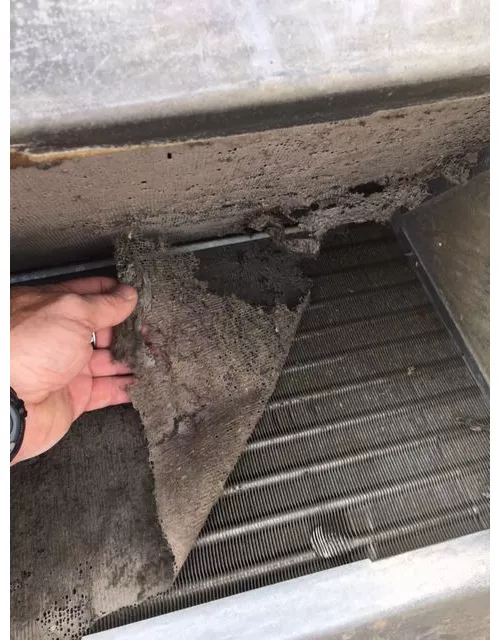
Why Mold Testing Can Miss HVAC Mold
This surprises a lot of homeowners. HVAC mold doesn’t always show up clearly in air tests.
That happens when:
- The AC isn’t running during testing
- Mold is localized inside components
- Spores haven’t circulated yet
This is why inspections always matter more than numbers alone.
The Expert Approach to Mold Testing
From experience, here’s how professionals actually use mold testing:
- Inspect first
- Identify moisture and potential growth
- Decide if testing will change the plan
- Use results to define scope or documentation
- Pair testing with remediation—not hope
That approach saves time, money, and frustration every time.
Questions to Ask Before Scheduling Mold Testing
Before testing, ask yourself:
- Do I know where moisture is coming from?
- Will test results change what I do next?
- Do I need documentation for a specific reason?
If the answer is no, testing might not be the next step—and that’s okay.
Final Thoughts: Mold Testing Isn’t the Problem—Misuse Is
Most Miramar homeowners don’t get mold testing wrong—they just expect it to do things it was never meant to do. When paired with proper inspection and a clear plan, mold testing becomes a valuable tool. When used alone, it creates confusion.
If something feels off in your home—musty smells, humidity issues, or indoor symptoms—start with understanding, not assumptions. In Florida homes, smart decisions always beat guessing.
