
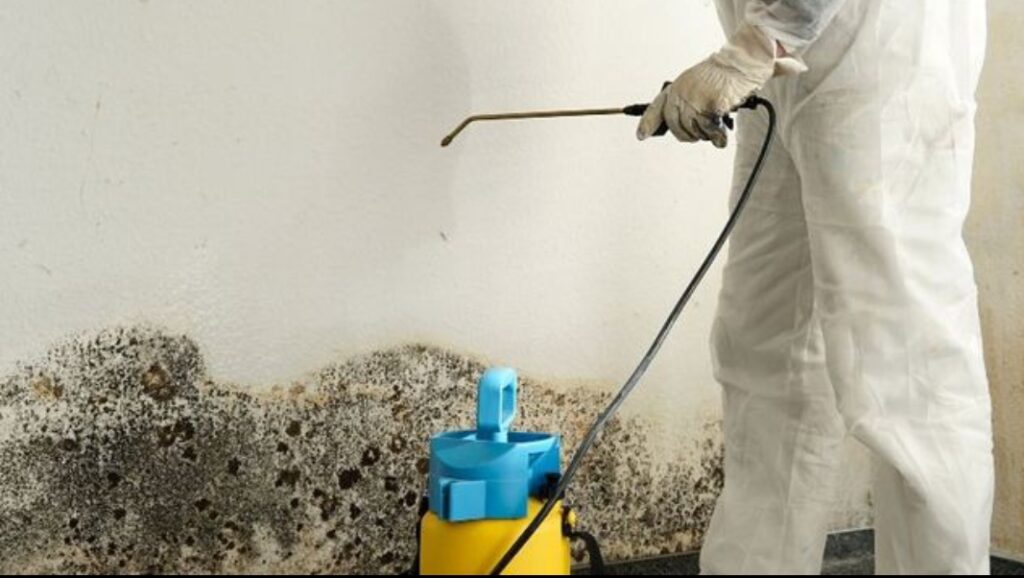
What Most People Get Wrong: Mold Testing Insights for Homes in Sunrise
Mold testing gets a bad rap in Sunrise. Some homeowners think it’s a scare tactic. Others expect it to magically diagnose every problem with one quick sample. Real inspections show something very different. Most frustration around mold testing comes from misunderstanding what it’s actually meant to do.
Here’s what experts see homeowners get wrong—and what mold testing really tells you inside Sunrise homes.
Mistake #1: Thinking Mold Testing Is Just About Finding Mold
Mold testing isn’t a yes-or-no alarm. Its real purpose is context.
What proper testing helps determine:
- Whether indoor mold levels are normal or elevated
- If mold is likely hidden, even without visible growth
- Whether moisture is creating conditions for future problems
In many Sunrise homes, testing confirms there isn’t a major issue—or that a small one hasn’t spread yet.
Mistake #2: Assuming One Test Answers Everything
Homeowners often expect a single air sample to tell the whole story.
In reality, professionals interpret results by looking at:
- Indoor vs outdoor comparisons
- Moisture readings in materials
- HVAC operation and airflow
- Where samples were taken and why
A number without context doesn’t mean much. Interpretation matters more than the test itself.
Mistake #3: Believing Testing Automatically Means Expensive Removal
This fear stops a lot of people from testing early.
What inspections actually show:
- Many tests lead only to moisture control or minor fixes
- Some results rule out mold entirely
- Early testing often prevents large remediation projects
Testing doesn’t create problems—it often limits them.
Mistake #4: Thinking No Visible Mold Means No Reason to Test
In Sunrise homes, this is one of the most common and costly assumptions.
Inspectors frequently find:
- Elevated mold levels with no visible growth
- Hidden mold behind drywall or cabinets
- HVAC-related mold affecting air quality
If mold only mattered when visible, inspections wouldn’t catch issues early.
Mistake #5: Confusing Mold Testing With Mold Removal
These are two different steps—and mixing them causes frustration.
- Mold testing answers: Is there a problem? How big is it? Where is it likely coming from?
- Mold removal answers: How do we fix it?
Skipping testing often leads to guesswork and mold that returns.
Mistake #6: Ignoring Moisture Data
Some homeowners focus only on lab results and ignore moisture findings.
Experts care deeply about:
- Damp materials behind walls
- Condensation around vents
- AC drain and humidity issues
Moisture explains why mold exists—and whether it will come back.
Mistake #7: Waiting Until Symptoms or Damage Are Obvious
By the time mold is visible or health complaints feel undeniable, inspections often reveal:
- Long-standing moisture problems
- Mold spread into hidden areas
- HVAC involvement
Early testing almost always means smaller, simpler solutions.
Why Mold Testing Is Especially Useful in Sunrise
Local conditions make early insight valuable:
- High humidity most of the year
- Constant AC use
- Condensation that’s easy to miss
- Homes staying closed up for long periods
Testing helps catch issues before they turn into larger projects.
What Mold Testing Does Well (When Used Correctly)
Professionals rely on testing to:
- Confirm or rule out hidden mold
- Establish a baseline before buying or selling
- Guide targeted remediation
- Verify conditions after cleanup
It’s a tool—not a verdict.
What Mold Testing Doesn’t Do
To keep expectations realistic, testing does not:
- Replace a full inspection
- Identify every hidden mold location by itself
- Mean removal is required
- Predict health outcomes
It’s one piece of a smarter process.
Practical Advice From Experts
Based on real inspections, professionals recommend:
- Test when musty odors persist
- Test after water damage—even if it “dried”
- Test before buying or selling in humid climates
- Pair testing with moisture inspection
- Use results to guide action—not panic
Final Takeaway
Most people get mold testing wrong because they expect it to be either pointless or catastrophic. Real inspections in Sunrise show it’s neither. When used correctly, mold testing provides clarity, direction, and peace of mind—often saving money by catching issues early.
The mistake isn’t testing. The mistake is waiting until you don’t have a choice.
