
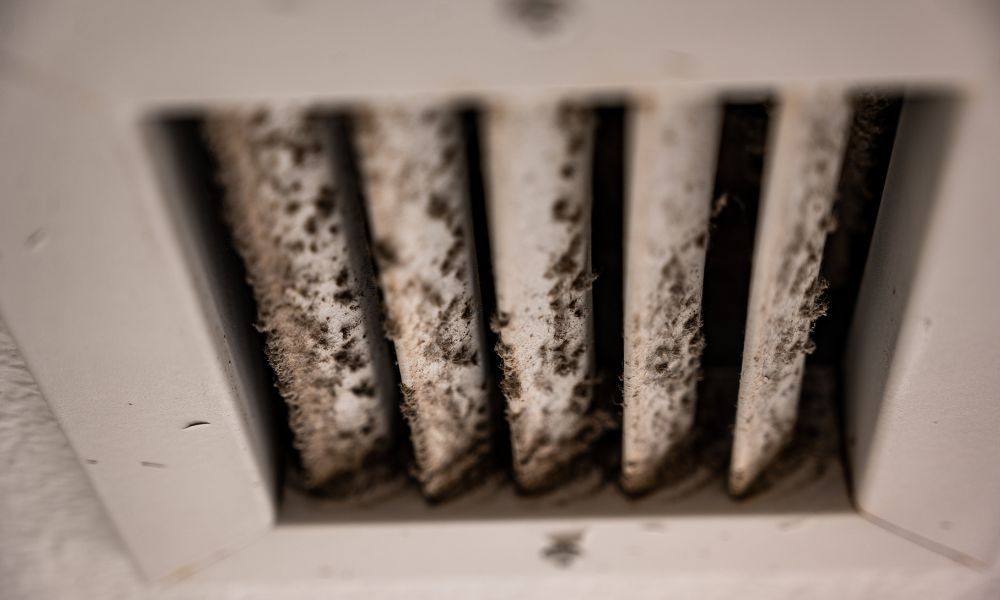
What the Data Tells Us: Air Duct Mold Insights for Homes in Hollywood
Air duct mold doesn’t show up with a warning label. It builds quietly, spreads efficiently, and usually gets discovered after people notice smells, allergies, or rising energy bills. Homes in Hollywood show this pattern clearly when inspection data gets reviewed. The numbers don’t lie—air duct mold ranks as one of the most overlooked indoor air quality problems in South Florida.
After reviewing real inspection trends, one thing stands out fast: ignoring air duct mold almost always costs more later.
Why Air Duct Mold Gets Missed So Often
Most homeowners don’t think about ductwork unless the AC stops cooling. If air blows, everything feels fine. Unfortunately, mold thrives on that mindset.
Inspection data shows air duct mold gets missed because:
- Ductwork stays completely out of sight
- Odors seem mild or temporary
- Symptoms come and go
- The HVAC system still runs normally
Ever notice a musty smell that appears only when the AC turns on? That’s rarely random.
What Inspection Data Reveals About Duct Contamination
When inspections focus on HVAC systems, findings often surprise homeowners. Even clean-looking vents can hide serious contamination deeper inside.
Data from inspections frequently reveals:
- Mold growth on duct liners
- Contaminated air handlers
- Moisture buildup inside return ducts
- Elevated airborne spore levels
- Condensation-related mold near vents
FYI, duct mold almost never stays limited to one section of the system.
How Mold Gets Into Air Ducts in Hollywood Homes
Moisture Opens the Door Every Time
Mold doesn’t appear without moisture. In Hollywood homes, constant AC use creates ideal conditions for condensation inside ductwork.
The most common moisture sources include:
- Condensation forming inside ducts
- AC drain pan overflows
- Leaky or poorly sealed duct connections
- High indoor humidity
- Past water damage near vents
IMO, condensation causes more long-term duct mold than major leaks because it happens slowly and continuously.
Why Air Duct Mold Spreads So Easily
Air ducts don’t contain mold—they distribute it. Once mold grows inside ductwork, spores move room to room every time the system runs.
This often leads to:
- Declining indoor air quality
- Persistent musty odors
- Dust that returns quickly
- Allergy or respiratory irritation
- Contaminated HVAC components
Many homeowners clean their homes repeatedly, not realizing the air keeps reintroducing the problem.
The Financial Impact of Ignoring Air Duct Mold
Inspection data shows a clear cost pattern. Homes that delay action almost always face higher expenses later.
Ignoring duct mold often results in:
- Larger mold remediation projects
- HVAC system contamination
- Reduced system efficiency
- Higher energy bills
- Costly equipment repairs or replacement
Fixing mold early costs far less than repairing everything it eventually affects.
What Mold Inspections Tell Us About HVAC Systems
Inspections consistently show HVAC systems acting as mold highways. When contamination exists, spores circulate long before homeowners realize it.
Inspectors frequently identify:
- Mold growth inside air handlers
- Contaminated blower components
- Moisture buildup around coils
- Duct materials breaking down over time
If remediation ignores the HVAC system, mold almost always lingers.
Why Mold Testing Matters for Air Duct Issues
Data Brings Clarity
Mold testing plays a key role when duct contamination is suspected. Air samples show what residents breathe daily, not just what sits on surfaces.
Testing helps:
- Confirm airborne mold levels
- Identify HVAC involvement
- Measure contamination severity
- Guide remediation scope
- Support insurance or real estate needs
Skipping testing usually leads to underestimating how far the problem spreads.
Air Duct Cleaning vs. Mold Remediation: What the Data Shows
Inspection data makes this distinction clear. Air duct cleaning improves airflow and cleanliness, but it doesn’t solve mold problems by itself.
Here’s what data supports:
- Air duct cleaning removes dust and debris
- Mold remediation removes contamination and corrects moisture conditions
When mold exists, duct cleaning alone never produces lasting results.
How Proper Mold Remediation Handles Ductwork
Effective remediation treats ductwork as part of a complete system. Proper handling prevents spores from spreading during cleanup.
Professional remediation typically includes:
- Containment to protect clean areas
- HEPA air filtration
- Cleaning or removal of contaminated duct materials
- Correction of moisture sources
- Verification of safe indoor conditions
Shortcuts here almost always lead to repeat contamination.
Why Hollywood Homes Face Higher Air Duct Mold Risk
Inspection data highlights several local risk factors:
- High year-round humidity
- Heavy AC usage
- Condensation-prone duct systems
- Storm-related moisture intrusion
- Coastal climate influence
Even newer homes show duct mold when airflow or drainage falls short.
Long-Term Effects on Comfort and Indoor Air Quality
Living with moldy ducts affects more than smell. Over time, residents often experience:
- Chronic allergy symptoms
- Sinus or throat irritation
- Fatigue indoors
- Rooms that never feel comfortable
- Uneven cooling
Many homeowners don’t connect these issues to ductwork until inspections reveal the source.
What Early Action Saves Homeowners
Inspection trends show that early action limits damage and costs. Homes addressing duct mold early usually avoid widespread contamination.
Early action helps:
- Reduce remediation costs
- Protect HVAC systems
- Improve indoor air quality
- Maintain energy efficiency
- Prevent mold spread into living spaces
Waiting rarely saves money. It usually multiplies the problem.
Final Thoughts: Data Doesn’t Ignore Patterns
Inspection data tells the same story repeatedly. Air duct mold spreads quietly, affects everything it touches, and becomes more expensive the longer it stays ignored. Homes in Hollywood show that early inspection, testing, and remediation make a measurable difference.
If air smells off or symptoms appear when the AC runs, that’s usually data trying to get your attention. Mold doesn’t stay hidden forever—it just waits for the right conditions.
