
What the Data Tells Us: Hidden Mold Insights for Homes in Florida
Hidden mold doesn’t show up because homeowners miss something obvious. It shows up because Florida homes create perfect conditions for it, quietly and consistently. After reviewing inspection data from homes across Florida, one thing becomes clear fast: hidden mold follows patterns. It doesn’t act randomly, and it doesn’t need disasters to get started.
This isn’t theory or worst-case storytelling. This is what inspection data, moisture readings, air samples, and HVAC evaluations reveal again and again. When you look at the numbers instead of assumptions, hidden mold stops being mysterious and starts being predictable.
Why Data Matters More Than Opinions
Homeowners hear plenty of opinions about mold. Some say it’s everywhere and unavoidable. Others say it’s overblown. Data cuts through both sides.
Inspection data shows:
- Where hidden mold appears most often
- What conditions consistently precede it
- How long it typically goes unnoticed
Hidden mold isn’t rare in Florida homes. It’s just rarely visible early. The data proves that most problems develop quietly long before homeowners suspect anything.
Where Hidden Mold Shows Up Most Often
Wall Cavities Lead the List
Inspection reports consistently flag wall cavities as the most common location for hidden mold.
Why walls?
- Limited airflow
- Stable temperatures
- Easy moisture access
Moisture enters through humidity, condensation, or small leaks and stays trapped. Walls dry slowly, which gives mold time to establish itself without visible signs.
HVAC Systems Follow Closely Behind
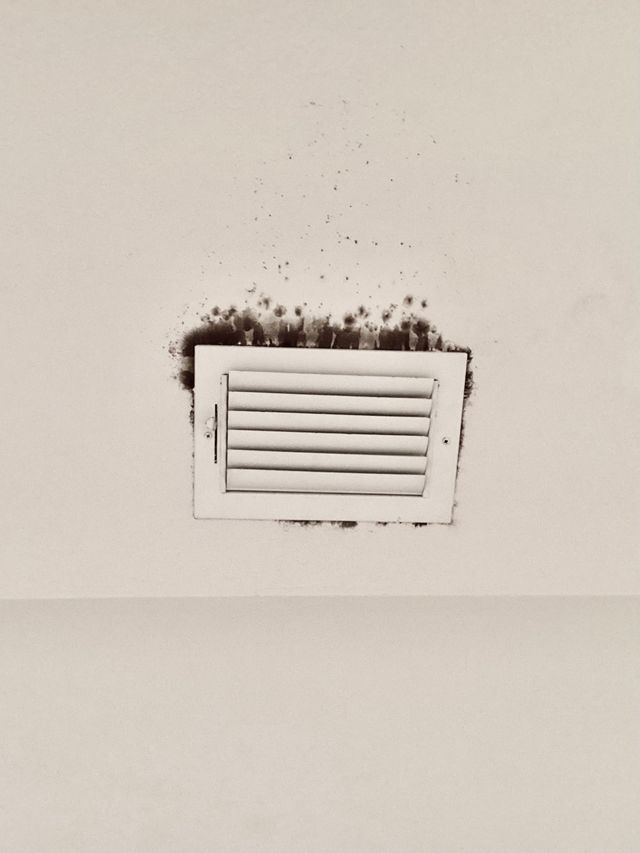
HVAC systems show up in a huge percentage of hidden mold cases. Air handlers, drain pans, and duct interiors frequently test positive.
Data shows HVAC-related mold appears even when:
- No visible mold exists in living spaces
- Homeowners report no leaks
- Homes appear clean and well-maintained
Once mold grows inside HVAC systems, exposure becomes constant instead of occasional.
Humidity Is the Most Consistent Variable
Elevated Humidity Appears in Nearly Every Case
Across inspection data, one factor shows up more than any other: elevated indoor humidity.
Homes with persistent humidity issues show significantly higher hidden mold findings, even without leaks or water damage.
Humidity affects:
- Drying time inside walls
- Condensation inside ducts
- Moisture retention in insulation
When humidity stays high, mold doesn’t need help.
Air Conditioning Doesn’t Guarantee Dry Conditions
Data shows many homes with active air conditioning still maintain high humidity.
Oversized HVAC systems show up frequently in reports. These systems cool air quickly but remove less moisture, leaving homes cool but damp.
That dampness doesn’t feel dramatic, but mold responds to it immediately.
Condensation Beats Leaks in Mold Cases
Small, Repeated Moisture Wins
Inspection data shows condensation causes more hidden mold than major plumbing failures.
Condensation forms:
- Inside wall cavities
- On duct exteriors
- Inside air handlers
- Behind furniture on exterior walls
These moisture events repeat daily and dry slowly. Over time, they support mold growth without ever causing obvious damage.
Leaks Get Fixed; Condensation Gets Ignored
Plumbing leaks usually get attention. Condensation rarely does.
Data shows many homes with hidden mold had no active leaks at the time of inspection. The problem wasn’t water intrusion. It was moisture behavior.
HVAC Systems Turn Hidden Mold Into an Air Quality Issue
Mold Inside Systems Multiplies Exposure
When mold grows inside HVAC systems, spores circulate through the entire home. That exposure pattern shows up clearly in air sampling data.
Homes with HVAC-related hidden mold often show:
- Elevated indoor spore counts
- Higher exposure consistency
- Symptoms without visible mold
Mold inside a wall stays localized. Mold inside HVAC systems spreads.
Duct Leakage Correlates Strongly With Mold Findings
Data repeatedly links duct leakage to hidden mold growth. Leaky ducts pull humid attic or wall air into the system.
That humid air condenses inside cooler ducts, keeping them damp longer. Mold follows that moisture path every time.
Bathrooms, Kitchens, and Laundry Areas Show High Correlation
Moisture-Heavy Rooms Drive Hidden Growth
Inspection data shows hidden mold frequently originates near bathrooms, kitchens, and laundry rooms.
These rooms produce moisture fast. Without proper ventilation, that moisture moves into:
- Wall cavities
- Ceiling spaces
- Adjacent rooms
Fans that don’t vent outside or don’t run long enough show up often in reports tied to hidden mold.
Ventilation Quality Changes Outcomes
Homes with properly vented exhaust fans show fewer hidden mold findings, even with similar usage patterns.
That data reinforces one simple truth: ventilation works when done correctly.
Building Materials Matter More Than People Think
Drywall and Wood Dominate Mold Findings
Inspection data shows mold growth most often on:
- Drywall paper backing
- Wood framing
- Plywood
- Insulation surfaces
These materials absorb moisture easily and dry slowly. Once damp repeatedly, they support mold growth without much resistance.
Dust Plays a Bigger Role Than Expected
Dust contains organic material mold feeds on. Even clean homes produce dust constantly.
Data shows mold growth increases where dust accumulates in damp areas, especially inside ducts and wall cavities.
Health Complaints Align With Data Patterns
Symptoms Appear Before Visible Damage
Inspection data often aligns with homeowner complaints. Homes with elevated indoor spore levels report more health symptoms even when visible mold stays absent.
Common complaints include:
- Persistent congestion
- Sneezing indoors
- Coughing
- Fatigue
- Headaches
These symptoms correlate more strongly with duration of exposure than with mold type or visibility.
HVAC Mold Drives Long-Term Exposure
Homes with hidden mold inside HVAC systems show more consistent symptom reports. Exposure doesn’t stop when people leave one room. It continues throughout the home.
That consistency explains why symptoms linger and feel difficult to pinpoint.
Timing Changes Everything
Early Detection Keeps Problems Small
Data shows homes inspected early often need:
- Moisture control adjustments
- HVAC maintenance
- Ventilation improvements
Homes inspected late usually require:
- Material removal
- Larger remediation zones
- Higher repair costs
Same conditions. Different timing. Very different outcomes.
“Wait and See” Rarely Helps
Inspection timelines show most homeowners who delay eventually test anyway. The difference lies in how much mold spread in the meantime.
Waiting almost never improves conditions.
Common Misunderstandings Data Repeatedly Disproves
Inspection data consistently challenges these beliefs:
- Hidden mold requires leaks
- Clean homes don’t have mold
- AC controls humidity automatically
- Visible mold appears early
- Mold problems are random
None of these hold up under data review.
What the Data Says Actually Works
Across thousands of inspections, the same preventive steps reduce hidden mold findings consistently:
- Maintaining indoor humidity control
- Proper HVAC sizing and maintenance
- Sealing and insulating ductwork
- Venting moisture-producing rooms outside
- Addressing condensation early
Moisture control outperforms cleanup every time.
How Homeowners Should Use This Information
The data doesn’t demand panic. It demands awareness.
Homeowners benefit most when they:
- Watch humidity levels
- Treat HVAC systems as part of air quality
- Take musty odors seriously
- Investigate symptoms early
- Focus on moisture, not just mold
IMO, once homeowners understand the patterns, hidden mold stops feeling unpredictable.
Lessons Florida Homeowners Can Trust
Across Florida homes, the lesson stays consistent. Hidden mold isn’t caused by negligence. It’s caused by conditions that stay unmanaged long enough.
Homes that control moisture experience fewer hidden mold problems. Homes that ignore it chase symptoms repeatedly.
The difference isn’t luck. It’s understanding what the data already makes clear.
Final Thoughts: Data Turns Hidden Mold Into a Solvable Problem
Hidden mold doesn’t thrive on mystery. It thrives on moisture, time, and misunderstanding. The data from Florida homes shows clear patterns that homeowners can use to their advantage.
When people stop guessing and start paying attention to moisture behavior, airflow, and HVAC performance, hidden mold loses its advantage. The data tells a simple story, and that story points toward prevention, smarter decisions, and healthier indoor air across Florida homes.
