
What the Data Tells Us: HVAC Mold Insights for Homes in
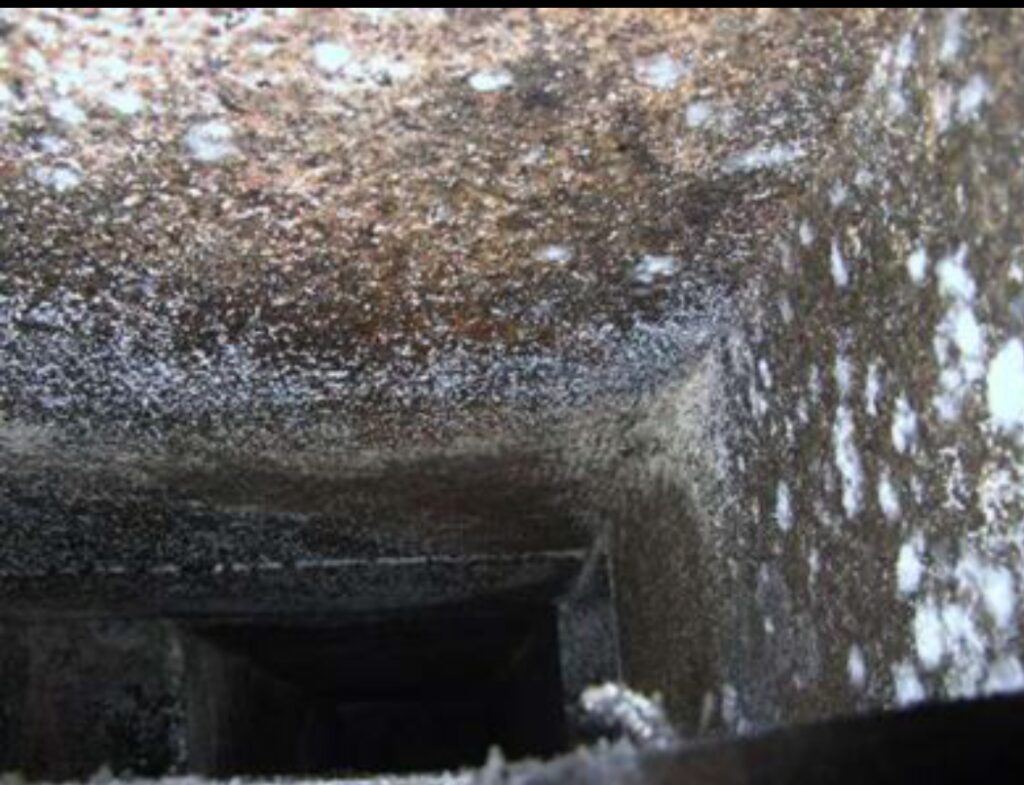
HVAC mold is one of the most common findings during inspections in Pembroke Pines homes, and inspection data shows a clear pattern: when moisture and airflow issues exist, mold inside HVAC systems is rarely far behind. Because HVAC components are hidden from daily view, mold often develops quietly and spreads through the home long before homeowners realize there’s a problem.
What the data consistently shows is that HVAC mold is not random. It forms under specific conditions—high humidity, condensation, poor drainage, and limited airflow—and once it starts, the HVAC system becomes an efficient distribution pathway for mold spores. Understanding what inspections reveal helps homeowners recognize risks early and avoid more costly repairs later.
Why HVAC Mold Is So Common in Pembroke Pines Homes
Pembroke Pines homes operate air conditioning for much of the year. As warm, humid air passes over cold evaporator coils, condensation forms naturally. When drainage or airflow isn’t ideal, moisture lingers inside the system.
Inspection data shows HVAC mold is most often linked to:
- High indoor humidity levels
- Frequent AC operation
- Condensation buildup on coils and drain pans
- Poorly draining condensate lines
These conditions allow mold to establish itself inside HVAC components even in well-maintained homes.
Where Mold Is Most Often Found Inside HVAC Systems
Mold inside HVAC systems is rarely confined to one spot. Data from inspections in Pembroke Pines homes consistently identifies growth in multiple areas.
The most common locations include:
- Air handlers and blower compartments
- Evaporator coils and drain pans
- Insulated duct lining
- Return ducts pulling in humid air
- AC closets with limited ventilation
Because these areas are enclosed and difficult to access, mold can grow extensively before being detected.
How HVAC Systems Spread Mold Throughout the Home
Once mold begins growing inside an HVAC system, airflow does the rest. Each time the system runs, spores are pulled into the air stream and distributed through ductwork into living spaces.
Inspection data shows this leads to:
- Mold spores present in multiple rooms
- Odors traveling through vents
- Mold appearing in areas far from the original source
- Indoor air quality issues affecting the entire home
What starts as a localized moisture issue often becomes a whole-home concern.
Early Warning Signs Found in Inspection Reports
Before visible mold appears, inspection reports often document early warning signs homeowners didn’t recognize at the time.
These commonly include:
- Musty odors when the AC turns on
- Air that feels damp or stale
- Odors that come and go
- Dust buildup near vents
- Discomfort that improves when leaving the home
These signs are frequently attributed to humidity or normal HVAC operation, delaying professional evaluation.
Why Filter Changes Don’t Prevent HVAC Mold
Many homeowners assume regular filter changes protect against HVAC mold. While filters are important for maintenance, inspection data clearly shows they do not prevent mold growth inside the system.
Filters:
- Capture airborne particles
- Do not remove mold growing on coils or duct lining
- Do not stop condensation or moisture buildup
Homes with clean filters can still have significant HVAC mold issues if moisture is present.
Moisture Issues Linked to HVAC Mold Growth
Inspection data consistently points to unresolved moisture issues as the driving force behind HVAC mold.
Common contributors in Pembroke Pines homes include:
- Clogged or improperly sloped drain lines
- Oversized HVAC systems that short-cycle
- Leaky ductwork drawing humid attic air
- Poor airflow or insulation
- Elevated indoor humidity
When these issues persist, HVAC mold problems tend to worsen over time.
Why DIY HVAC Cleaning Fails According to the Data
DIY HVAC cleaning attempts are common, but inspection data shows they rarely resolve mold issues. Homeowners often clean vents or apply sprays without addressing hidden growth.
DIY methods typically fail because:
- Mold inside components is missed
- Spores spread during cleaning
- Moisture sources remain active
- Improvements are only temporary
This often leads to larger remediation needs later.
How HVAC Mold Affects Indoor Air Quality
Inspection data shows a strong connection between HVAC mold and indoor air quality complaints. Because HVAC systems distribute air throughout the home, mold spores are continuously reintroduced into living spaces.
Homeowners frequently report:
- Persistent odors
- Reduced comfort indoors
- Allergy-like irritation
- Mold returning after cleaning
Even when mold is not visible, indoor air quality can be affected.
Why Ignoring HVAC Mold Increases Costs
Data clearly shows that delayed action leads to more extensive contamination. Mold spreads deeper into ductwork and may affect surrounding materials when left untreated.
Ignoring HVAC mold often results in:
- Larger remediation areas
- Increased labor and material costs
- Longer system downtime
- Greater disruption to the home
Early inspection usually limits both scope and expense.
What Professional HVAC Mold Inspections Focus On
Professional inspections use data-driven methods to identify both mold growth and contributing conditions. Inspections typically include:
- Internal HVAC component inspection
- Ductwork evaluation
- Moisture measurement
- Drainage and airflow assessment
This approach ensures solutions address the cause rather than just the symptoms.
What the Data Shows About Prevention
Homes that manage moisture and maintain proper airflow experience far fewer HVAC mold issues. Inspection follow-ups show that addressing conditions early significantly reduces recurrence.
Preventive steps include:
- Controlling indoor humidity
- Maintaining drain lines
- Ensuring proper system sizing
- Improving ventilation
These measures help keep HVAC systems dry and mold-resistant.
When Homeowners Should Take Action
Based on inspection data, professional evaluation is recommended if:
- Musty odors come from vents
- Mold keeps returning
- There has been water damage
- Indoor air quality feels poor
- HVAC components show visible contamination
Early action almost always results in better outcomes.
HVAC Mold Inspection Services in Pembroke Pines
Homes in Pembroke Pines face constant humidity and HVAC-related mold risks. Professional inspection helps identify hidden mold and moisture issues before they spread further.
We provide:
- HVAC mold inspections
- Air duct evaluations
- Mold testing when appropriate
- Moisture detection
- Clear remediation guidance
