


What the Data Tells Us: Mold Inspection Insights for Homes in South Florida
After enough inspections, patterns stop feeling like coincidences. I’ve reviewed inspection reports, moisture readings, air samples, and HVAC conditions across homes in South Florida, and the data tells a very clear story. Mold problems don’t come out of nowhere. They follow predictable trends tied to moisture, airflow, and building habits.
This isn’t guesswork or fear-based storytelling. This is what actually shows up again and again when inspectors look beyond the surface and let the numbers do the talking.
Why Mold Inspection Data Matters More Than Opinions
Homeowners hear a lot of opinions about mold. Some downplay it. Others exaggerate it. Data cuts through both extremes.
Inspection data shows:
- Where mold appears most often
- What conditions trigger growth
- How long problems usually go unnoticed
Numbers don’t panic or minimize. They just report reality.
When homeowners understand the data, they make smarter decisions instead of reactive ones.
The Most Common Mold Findings in South Florida Homes
Mold Rarely Grows in One Spot
Inspection data shows mold rarely stays isolated. When inspectors find visible growth, hidden growth usually exists elsewhere.
The most common locations include:
- HVAC air handlers
- Duct interiors
- Bathroom ceilings
- Behind drywall near plumbing
- Attics with poor ventilation
Mold follows airflow and moisture paths, not room labels.
Hidden Growth Shows Up More Than Visible Mold
Here’s something that surprises homeowners. Data shows hidden mold appears more often than visible mold.
That means:
- Clean-looking homes still test positive
- Odors appear before stains
- Symptoms show up before damage
Visual checks alone miss a lot.
Humidity Levels Show Up in Nearly Every Report
Elevated Indoor Humidity Is the Top Contributor
Inspection data consistently points to one factor: humidity.
Homes with indoor humidity that stays elevated show significantly higher mold findings. Even without leaks, moisture hangs in the air long enough to support growth.
Humidity affects:
- Duct condensation
- Wall cavity moisture
- Surface dampness
- Dust becoming mold food
No humidity control means higher mold probability. It’s that simple.
AC Use Doesn’t Guarantee Moisture Control
Data also shows air conditioning alone doesn’t fix humidity. Oversized systems cool fast but remove less moisture.
That leads to:
- Cool but damp interiors
- Condensation on vents
- Moisture inside HVAC systems
Cooling and dehumidifying don’t always happen at the same pace.
HVAC Systems Dominate Mold Inspection Results
Air Handlers Test Positive More Often Than Expected
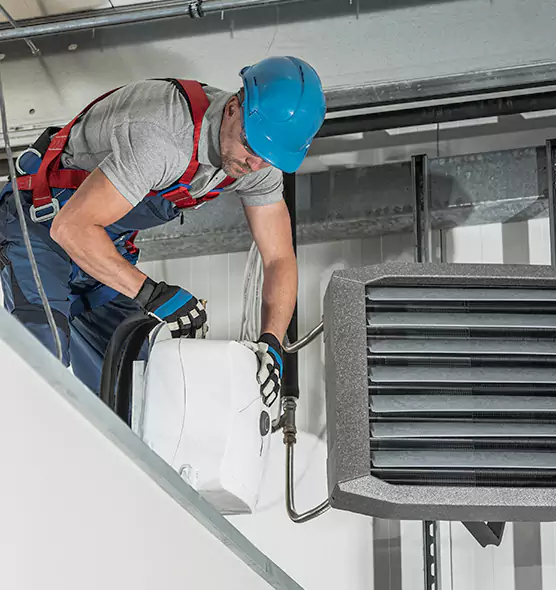
Across inspection data, HVAC air handlers show mold growth at a high rate. Condensation inside these units creates consistent moisture.
When drain pans clog or maintenance slips, mold finds a reliable home.
Once growth starts there, air circulation spreads spores throughout the house. That spread increases exposure without increasing visibility.
Ductwork Plays a Bigger Role Than Homeowners Think
Data reveals mold frequently appears inside ductwork, especially when:
- Ducts leak
- Insulation fails
- Systems pull humid attic air
Moisture plus dust inside ducts creates ideal growth conditions. Many homeowners never consider ducts as part of the problem.
Air Sampling Results Reveal Patterns
Elevated Spore Counts Indoors Matter
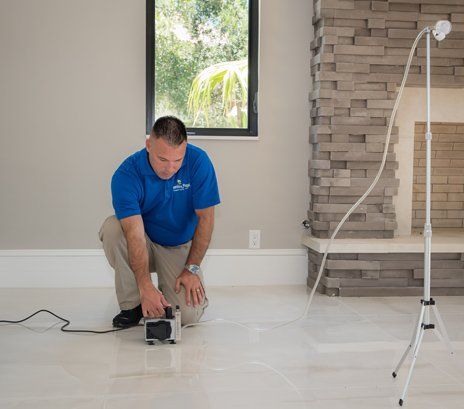
Air samples often show higher mold spore levels indoors than outdoors. That imbalance signals indoor growth sources.
Inspectors compare indoor and outdoor samples to spot anomalies. When indoor counts spike, something feeds mold inside.
That data helps pinpoint problems that visual checks miss.
Mold Types Matter Less Than Quantity and Exposure
People fixate on mold names. Data doesn’t.
Inspection results show symptoms correlate more strongly with:
- Spore concentration
- Duration of exposure
- Airflow patterns
Small amounts in isolated areas rarely cause major issues. Widespread low-level exposure often does.
Bathrooms, Kitchens, and Laundry Rooms Lead the Charts
Moisture-Heavy Rooms Show Higher Risk
Inspection data consistently flags moisture-heavy rooms. Bathrooms without proper exhaust fans top the list.
Other high-risk areas include:
- Laundry rooms with poor ventilation
- Kitchens with moisture buildup
- Closets near bathrooms
When moisture lingers, mold doesn’t hesitate.
Ventilation Quality Changes Outcomes
Homes with properly vented exhaust fans show lower mold findings, even with similar usage patterns.
That tells us something important. Ventilation works when done correctly.
Plumbing Leaks Show Up Later Than Expected
Slow Leaks Create Long-Term Growth
Data shows many mold cases trace back to slow plumbing leaks that went unnoticed for months.
These leaks don’t flood floors. They soak materials quietly.
By the time inspectors find them:
- Mold spreads inside walls
- Materials require removal
- Repairs cost more
Early detection changes that outcome.
Attics and Wall Cavities Stay Problematic
Poor Attic Ventilation Drives Mold Growth
Attics with limited airflow show higher moisture readings and visible growth. Bathroom fans venting into attics worsen the issue.
Inspection data repeatedly links attic mold to indoor moisture sources, not roof leaks alone.
Wall Cavities Hide Long-Term Issues
Wall cavities don’t dry quickly. When moisture enters, mold grows quietly and steadily.
Inspectors rely on moisture meters and thermal imaging to catch what eyes can’t see.
Health Complaints Line Up With Inspection Results
Allergy Symptoms Match Elevated Mold Data
Inspection data often aligns with homeowner complaints. Homes with higher indoor spore counts report more allergy and respiratory symptoms.
Common complaints include:
- Persistent congestion
- Sneezing indoors
- Coughing at night
- Asthma flare-ups
Symptoms don’t prove mold, but data often confirms suspicions.
Long-Term Exposure Matters Most
Data supports one key insight. Duration of exposure impacts symptoms more than brief contact.
Homes with ongoing moisture issues show stronger correlations with health complaints.
What the Data Says About Ignoring Early Signs
Delay Increases Scope and Cost
Inspection timelines show a clear pattern. Homes tested early need smaller fixes. Homes tested late require broader remediation.
Ignoring early signs allows:
- Mold to spread
- HVAC systems to become involved
- Repair costs to rise
Waiting never improves outcomes.
“Wait and See” Rarely Works
FYI, inspection data shows waiting usually leads to testing later anyway. The difference lies in how much damage accumulates in the meantime.
Early information saves money. Late discovery multiplies problems.
Lessons South Florida Homeowners Can Actually Use
The data doesn’t demand panic. It demands awareness.
Based on inspection insights, homeowners benefit most when they:
- Monitor indoor humidity
- Maintain HVAC systems regularly
- Vent moisture-producing rooms properly
- Address leaks immediately
- Inspect before guessing
IMO, those steps prevent more mold than any single cleanup product ever could 🙂
Final Thoughts: Data Beats Assumptions Every Time
Mold inspection data tells a consistent story across South Florida homes. Moisture drives mold. Airflow spreads it. Time makes it worse.
When homeowners trust data instead of assumptions, they fix problems earlier and spend less doing it. Real insights come from real measurements, and those measurements point toward prevention, not fear.
