
What the Data Tells Us: Mold Testing Insights for Homes in Coral Springs
Homeowners often rely on sight and smell to judge mold problems—but mold testing data tells a very different story. Across Coral Springs, real testing results reveal patterns that explain where mold is most often found, why it’s missed, and how moisture—not guesswork—drives results.
This article breaks down what mold testing data actually shows, how professionals interpret it, and what Coral Springs homeowners can learn from real numbers instead of assumptions.
Why Mold Testing Data Matters More Than Opinions
Mold testing isn’t based on suspicion or fear. It relies on measurable information such as:
- Air sample spore counts
- Surface sampling results
- Moisture readings
- Indoor vs outdoor comparisons
- Building material conditions
When hundreds of homes are tested, trends become clear—and those trends show that mold problems are usually less obvious and more predictable than homeowners expect.
One Clear Data Trend: Mold Is Often Hidden
Testing data consistently shows that many homes with mold have little or no visible growth.
Instead, positive test results often come from:
- Wall cavities
- HVAC systems
- Beneath flooring
- Inside closets on exterior walls
- Areas affected by minor water intrusion
In Coral Springs homes, testing frequently confirms mold before homeowners see stains or smell musty odors.
Indoor vs Outdoor Air Results Tell a Big Story
One of the most important data points in mold testing is the comparison between indoor and outdoor air samples.
What the data often shows:
- Outdoor air usually has mold spores (that’s normal)
- Indoor air should have equal or lower spore levels
- When indoor counts are higher, it indicates indoor growth
Testing data from Coral Springs homes frequently shows elevated indoor spore levels even when the home appears clean.
Moisture Levels Predict Positive Mold Tests
Across testing reports, elevated moisture readings strongly correlate with positive mold results.
Data consistently links mold findings to:
- Walls with higher moisture content
- Flooring that retained moisture after leaks
- AC systems producing condensation
- High indoor humidity levels
Homes with normal-looking walls but elevated moisture often test positive—proving that moisture is the leading indicator, not appearance.
HVAC Systems Show Up in Testing Data Often
Testing results repeatedly point to HVAC systems as a major contributor.
In Coral Springs homes, mold testing frequently identifies:
- Mold spores linked to duct contamination
- Growth inside air handlers
- Elevated counts when AC systems run
Because air moves continuously through the system, HVAC-related mold can influence indoor air results throughout the entire home.
Mold Testing Results vs Home Age
Testing data challenges the belief that mold is mostly an “old home” issue.
Positive results are found in:
- Older homes with aging plumbing
- Newer homes with tight construction
- Recently renovated homes with airflow changes
- Condos and single-family homes alike
Newer homes often trap moisture more efficiently, while older homes may hide slow leaks. Age alone doesn’t predict mold—moisture does.
Common Sources Linked to Positive Test Results
Based on testing patterns, mold growth in Coral Springs homes most often traces back to:
- Slow plumbing leaks
- AC drain line issues
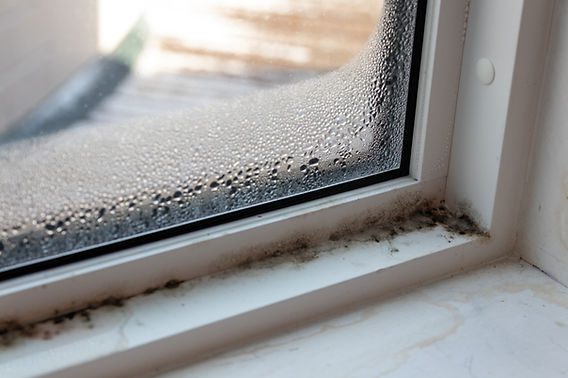
- Window and door seepage
- Roof leaks after storms
- Elevated indoor humidity
Flooding does cause mold—but testing data shows it’s not the most common cause.
Health Complaints vs Testing Results
Another interesting insight from testing data: symptoms don’t always match results.
Some homes with high spore counts:
- Have occupants with no noticeable symptoms
Other homes:
- Have allergy complaints but lower test results
The takeaway:
Health reactions vary by person. Mold testing focuses on environmental conditions, not how people feel on a given day.
What Mold Testing Data Says About DIY Cleanup
Follow-up testing data reveals a consistent pattern.
Homes where mold returned often had:
- Surface mold cleaned without addressing moisture
- Bleach used on porous materials
- Mold painted over
- Small leaks ignored
In many cases, later tests showed higher spore counts than before cleanup attempts.
Early Testing Changes Outcomes
Testing data also shows timing matters.
Homes tested early often show:
- Localized mold issues
- Lower spore concentrations
- Easier remediation paths
Homes tested late often show:
- Higher airborne spore levels
- Multiple affected areas
- Broader contamination
Time allows mold to spread—testing simply confirms what moisture has already allowed.
Why Coral Springs Homes Face Consistent Risk
Local conditions explain many testing trends:
- High humidity most of the year
- Seasonal heavy rain
- Constant AC use
- Slab foundations hiding leaks
- Limited airflow in wall cavities
These factors don’t guarantee mold—but they raise the baseline risk shown in testing data.
What Homeowners Can Learn From the Numbers
Mold testing data points to a few clear lessons:
- Visible mold is not required for a positive result
- Moisture readings matter more than smells
- HVAC systems deserve attention
- Early testing limits damage
- DIY shortcuts often backfire
Homeowners who rely on data instead of assumptions tend to catch issues earlier and avoid unnecessary costs.
When Mold Testing Makes Sense
Testing is especially useful when:
- There’s a history of water damage
- Indoor humidity stays high
- Musty odors persist
- Allergy symptoms worsen indoors
- Mold is suspected but not visible
Testing doesn’t create problems—it clarifies whether conditions exist for mold growth.
Final Thoughts: Data Replaces Guesswork Every Time
In Coral Springs homes, mold testing data tells a consistent story. Mold problems are rarely sudden or mysterious. They follow moisture, airflow, and time—and testing simply measures the result.
When homeowners use data instead of assumptions, they make smarter decisions, avoid panic, and address issues before they escalate.
