
What We See Inside Homes: Air Duct Mold Insights for Homes in
Air duct mold is one of the most overlooked issues in Miramar homes. Because ductwork is hidden behind walls, ceilings, and floors, homeowners often have no idea there’s a problem until indoor air quality begins to suffer. By the time symptoms appear, mold has often been circulating through the home for quite some time.
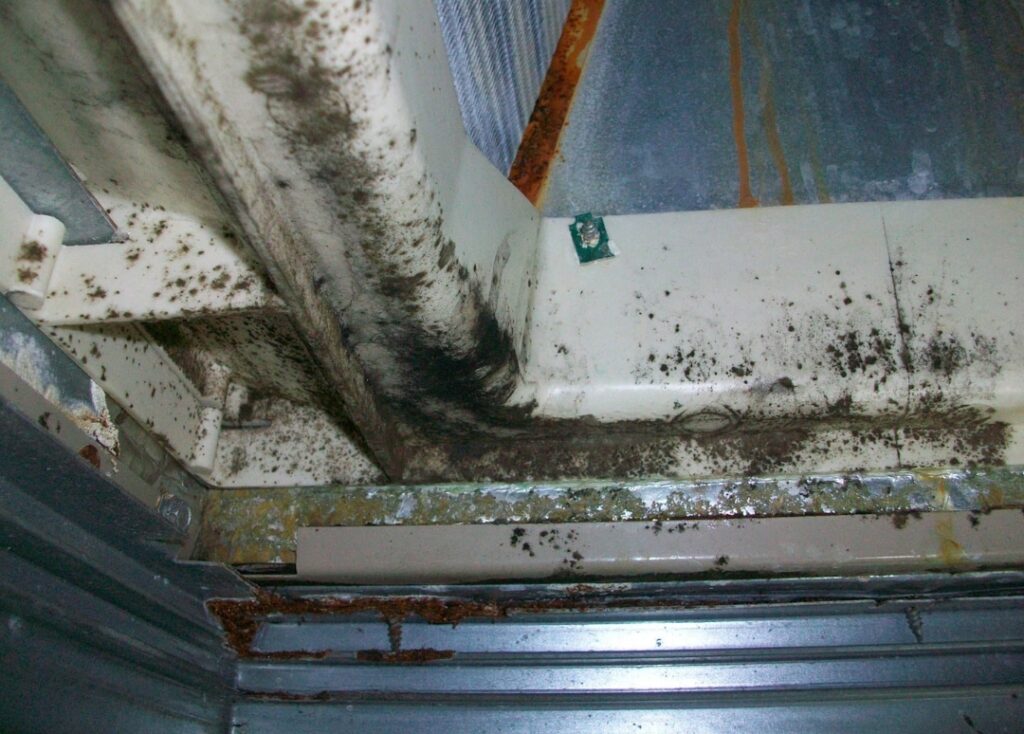
During professional inspections, we regularly find mold growth inside HVAC systems that homeowners never suspected. The home may look clean, well-maintained, and free of visible mold, yet the air moving through the ductwork tells a very different story.
Why Air Duct Mold Is Common in Miramar Homes
Miramar’s climate plays a major role in HVAC mold issues. Warm temperatures and high humidity mean air conditioning systems run frequently throughout the year. As the system cools the air, condensation naturally forms inside components such as coils, drain pans, and air handlers.
When moisture is not properly drained or controlled, it creates ideal conditions for mold growth. Dust and organic debris inside ductwork provide a food source, allowing mold to establish itself quietly and steadily.
Even newer homes can experience air duct mold if humidity levels are high or airflow is restricted.
Where Mold Commonly Forms Inside HVAC Systems
One of the challenges with air duct mold is that it doesn’t usually grow in visible areas. During inspections, mold is most often found in:
- Air handlers and blower compartments
- Evaporator coils and drain pans
- Insulated duct lining
- Return ducts pulling in humid air
- AC closets with poor ventilation
Because these areas are enclosed, mold can grow extensively before homeowners notice any warning signs.
How Mold Spreads Through Air Ducts
Once mold develops inside the HVAC system, it doesn’t stay contained. Every time the system runs, air movement can carry spores through the ductwork and distribute them throughout the home.
This means a mold issue that starts near the air handler can affect:
- Bedrooms
- Living areas
- Bathrooms
- Closets
Mold in ductwork doesn’t just affect one room—it impacts the entire indoor environment.
Signs That May Point to Air Duct Mold
Many homeowners in Miramar don’t see mold, but they notice changes in how their home feels. Common signs include:
- Musty or damp odors when the AC turns on
- Allergy-like symptoms that worsen indoors
- Dusty or discolored air vents
- Uneven airflow or cooling
- Odors that return after cleaning
These symptoms are often mistaken for dust issues or seasonal allergies, delaying proper evaluation.
Why Changing Filters Isn’t Enough
Replacing air filters is important for HVAC maintenance, but it does not resolve mold growing inside the system. Filters capture airborne particles, not mold growing on internal surfaces.
If mold is present on coils, inside ducts, or around the air handler, simply changing filters will not stop spores from circulating.
Proper inspection is required to determine where growth is occurring and how extensive it is.
The Role of Moisture in Air Duct Mold
Moisture is the driving force behind mold growth. In Miramar homes, common moisture contributors include:
- High indoor humidity
- Clogged or poorly designed AC drain lines
- Oversized HVAC systems that short-cycle
- Poor attic insulation
- Leaking ductwork pulling in humid air
Without correcting moisture issues, mold inside air ducts is likely to return—even after cleaning.
What We Look for During Air Duct Mold Inspections
Professional inspections focus on identifying both mold and the conditions allowing it to grow. This includes:
- Inspecting air handlers and internal components
- Checking ductwork condition and insulation
- Measuring moisture levels
- Evaluating airflow and ventilation
- Identifying potential sources of condensation
This approach ensures the solution addresses the cause, not just the symptoms.
Why DIY Duct Cleaning Can Make Things Worse
Some homeowners attempt to clean vents or spray cleaners into duct openings. While well-intentioned, this often causes more harm than good.
Improper cleaning can:
- Spread mold spores further into the system
- Damage duct lining
- Fail to remove hidden growth
- Provide a false sense of resolution
Without containment and proper equipment, mold can easily be disturbed and redistributed.
Health and Comfort Considerations
Air duct mold affects indoor air quality throughout the entire home. While reactions vary from person to person, some occupants may notice:
- Increased allergy symptoms
- Respiratory irritation
- Fatigue or headaches
- Discomfort that improves when leaving the home
Even when symptoms are mild, ongoing exposure can reduce overall indoor comfort.
When Professional Help Is Recommended
Professional evaluation is strongly recommended if:
- Musty odors come from vents
- Mold keeps returning in multiple rooms
- There has been past water damage
- Indoor air quality concerns persist
- HVAC components show visible contamination
Early assessment helps prevent mold from spreading deeper into the system or home.
Air Duct Mold Services in Miramar
Homes in Miramar face unique challenges due to climate and humidity. Addressing air duct mold properly helps protect indoor air quality, HVAC performance, and long-term comfort.
We provide:
- Air duct mold inspections
- HVAC system evaluations
- Mold testing when appropriate
- Mold remediation guidance
- Moisture and airflow assessments
