
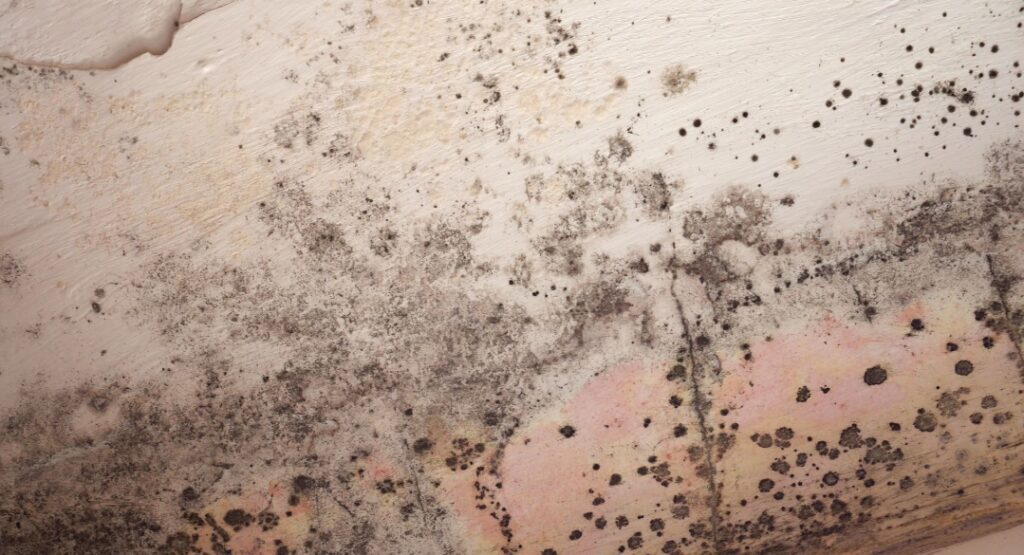
What We See Inside Homes: Black Mold Insights for Homes in
Black mold gets a lot of hype—and a lot of it misses the point. Inside Florida homes, inspections show the same truth over and over: black mold shows up for predictable reasons, not because a house suddenly turns “toxic.” When you understand what inspectors actually see, the problem feels far less mysterious and way more manageable.
I’ve opened walls and HVAC units in homes that looked spotless. Ever wonder how black mold causes issues without obvious warning signs? Let’s talk about what’s really going on.
Black Mold Follows Moisture, Not Panic
Water Is the Only Requirement
Black mold doesn’t appear because a home is dirty. It grows when moisture sticks around long enough to feed it.
Across Florida homes, the most common moisture sources include:
- AC condensation and clogged drain lines
- Slow plumbing leaks behind walls
- Roof or window seal failures
- High indoor humidity
Rhetorical question time: if moisture never fully dries, why wouldn’t mold take advantage?
Most Black Mold We Find Is Hidden
Visibility Comes Late
Inspections rarely find black mold growing out in the open at first. It prefers dark, damp, low-airflow spaces.
Common hidden locations include:
- Behind drywall after old leaks
- Inside HVAC systems and ductwork
- Under flooring and baseboards
- Inside insulation
IMO, the most disruptive mold is the mold you don’t see—because it keeps growing quietly.
HVAC Systems Help Black Mold Spread
Airflow Turns One Spot Into Many
Once black mold reaches the HVAC system, spores circulate through the entire home. That’s how one hidden area affects multiple rooms.
Inspection findings often include:
- Mold on evaporator coils
- Growth inside blower compartments
- Contaminated duct insulation
- Moisture pooling in drain pans
FYI, this explains why black mold seems to “move” around the house.
Color Gets Too Much Attention
Black Doesn’t Automatically Mean “Worst”
People fixate on color, but inspections show severity depends on moisture, location, and exposure, not shade alone.
Key reality checks:
- Some dark molds release low spore levels
- Hidden growth can cause higher exposure
- Testing tells the real story
Facts beat fear every time.
DIY Cleanup Usually Makes Things Worse
Cleaning Isn’t Removal
Wiping black mold improves appearance but leaves roots and moisture behind. Without containment, cleaning can spread spores.
DIY cleanup often:
- Removes surface discoloration only
- Leaves hidden growth untouched
- Increases airborne spores
That’s why black mold “comes back” after cleaning.
Why Mold Inspection and Testing Matter
You Can’t Fix What You Haven’t Found
Mold inspection identifies where black mold actually lives. Mold testing confirms whether spores circulate through the air and how severe exposure is.
A smart approach includes:
- Mold inspection to locate hidden growth
- Mold testing to assess airborne levels
- Targeted mold removal of contaminated materials
- Full mold remediation to prevent regrowth
Skipping steps usually leads to repeat problems.
Florida Homes Face Constant Black Mold Pressure
Climate Keeps Mold Active
Humidity and near year-round AC use keep moisture present across Florida. Mold doesn’t go dormant—it stays ready.
Higher-risk homes often include:
- Older HVAC systems
- Previous water damage
- Poor ventilation
- Ongoing humidity issues
Across the state, inspections reveal the same black mold patterns again and again.
What Actually Reduces Black Mold Risk
Calm, Practical Prevention
You don’t need extreme measures—just consistent ones.
What actually helps:
- Regular mold inspections, especially after leaks
- Mold testing when odors or symptoms appear
- Professional mold remediation, not surface cleaning
- Moisture control through HVAC maintenance and ventilation
Why panic when prevention works better?
Final Thoughts: Black Mold Is Predictable—and Solvable
Inside Florida homes, black mold follows moisture, hides well, and spreads through airflow. Real inspections show that fear tactics miss the point—understanding the conditions fixes the problem.
When mold inspection, mold testing, mold removal, and mold remediation work together, black mold stops being scary and starts being manageable—for good 🙂
